
Ofloxacin — How Dangerous It Is, Side Effects and Contraindications
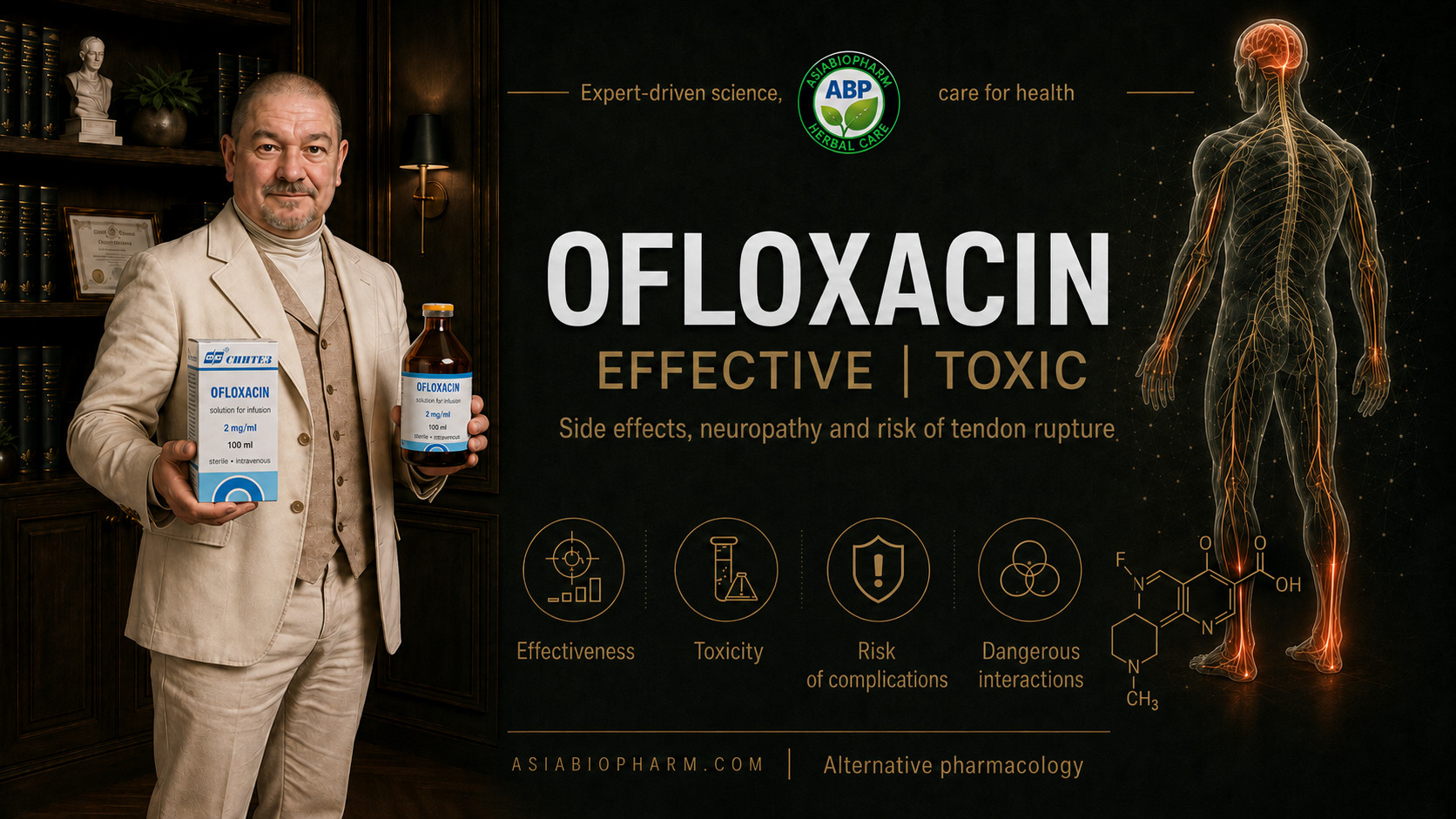
EFFECTIVE | TOXIC
What Names Ofloxacin Is Known By
The international nonproprietary name of the drug is ofloxacin, the Latin spelling is Ofloxacinum, and the English spelling is ofloxacin. Medical documents and search queries may include such terms as “ofloxacin,” “ofloxacin tablets,” “ofloxacin solution for infusion,” “ofloxacin drops,” “ophthalmic ofloxacin,” and “otic ofloxacin,” as well as the brand names Tarivid, Zanocin, Oflo, Ofloxin, Floxal, Floxin, Ocuflox, Exocin, and other regional brands. The drug is available as tablets, solutions for intravenous administration, eye and ear drops, and ophthalmic ointment.
Topical formulations should not automatically be considered equivalent to systemic ones: their concentration, excipients, sterility requirements, and approved areas of use differ.
Ofloxacin may also be included in combination products: ofloxacin + ornidazole, ofloxacin with a glucocorticosteroid in certain ophthalmic or otic products, as well as multicomponent topical preparations containing an anti-inflammatory or anesthetic component. The word “combination” does not eliminate the toxicity of ofloxacin, while the addition of a hormonal component introduces additional contraindications. Simultaneous use of tablets and topical formulations does not usually cause classic duplication of the full systemic dose, but it should be taken into account in patients with fluoroquinolone allergy and when systemic reactions occur.
Why Ofloxacin Is Considered Harmless and Where the Real Risk Begins
Ofloxacin is often perceived as an ordinary “strong antibiotic” that can be taken again for cystitis, prostatitis, diarrhea, cough, genital discharge, or ear inflammation. The real risk begins when it is prescribed without confirmation of a bacterial infection and susceptibility of the causative organism. The drug can cause not only nausea or transient dizziness but also tendinitis, tendon rupture, peripheral neuropathy, severe neuropsychiatric reactions, disturbances of glucose metabolism, and potentially dangerous changes in cardiac rhythm.
Some severe reactions occur after the first few doses, while tendon injury may develop during treatment or several months after it has ended. Muscles, joints, tendons, and the nervous system may be affected simultaneously; some consequences can be prolonged, disabling, and potentially irreversible. This is why regulatory authorities have restricted the use of systemic fluoroquinolones for infections that can be treated with safer antibacterial agents.
A false sense of safety is created by the familiarity of the prescription, relatively rapid relief of symptoms, and the absence of complications after a previous course. However, good tolerance in the past does not rule out a severe reaction with repeated use. Combining ofloxacin on one’s own with glucocorticosteroids, antiarrhythmic agents, glucose-lowering drugs, or medications that lower the seizure threshold can dramatically alter its risk profile.
Side Effects During the First Hours and Days of Treatment
Relatively common reactions include nausea, abdominal pain or discomfort, diarrhea, decreased appetite, headache, dizziness, sleep disturbances, nervousness, skin rash, and itching. Even ordinary diarrhea should not be assessed in isolation: severe, frequent, or bloody stools may indicate antibiotic-associated intestinal injury, including Clostridioides difficile infection, which can develop both during the course of treatment and after it has ended.
Clinically significant central nervous system reactions include anxiety, agitation, confusion, tremor, severe insomnia, nightmares, depressive reactions, hallucinations, and psychotic behavior. These disturbances may begin after the first dose. In predisposed patients, the seizure threshold may be lowered and seizures may occur.
Peripheral neuropathy may manifest as burning, tingling, numbness, shooting pain, increased sensitivity, muscle weakness, or impaired sensation of temperature and touch. Continuing treatment after these symptoms appear increases the risk of persistent nerve damage.
Tendinitis may begin with pain, swelling, stiffness, or tenderness in the Achilles tendon, shoulder, wrist, biceps, or other tendons. Rupture can sometimes occur without marked preceding inflammation — while walking, climbing stairs, or performing ordinary physical activity. If characteristic pain develops, the drug is discontinued, the affected limb is rested, and physical load is avoided until medical assessment.
Life-threatening reactions include anaphylaxis, angioedema, severe bullous skin reactions, toxic liver injury, severe hypoglycemia, seizures, and ventricular arrhythmias. Photophobia and phototoxic reactions to ultraviolet radiation may occur. Difficulty breathing, facial swelling, a widespread blistering rash, fainting, seizures, jaundice, or a sudden change in consciousness require emergency medical care.
Side Effects With Long-Term and Repeated Use
Ofloxacin is not intended for unjustifiably prolonged or regularly repeated courses. The greater the cumulative exposure and the number of repeated prescriptions, the higher the likelihood of selecting resistant microflora, antibiotic-associated intestinal injury, fungal superinfection, and delayed reactions involving tendons and the nervous system.
Tendinopathy may persist after the drug is discontinued, while tendon rupture requires prolonged rehabilitation and sometimes surgical treatment. Peripheral neuropathy also does not always resolve after therapy is stopped: pain, paresthesias, sensory disturbances, and weakness may persist for months or years. European regulatory documents specifically warn about the possibility of prolonged, disabling, and potentially irreversible reactions affecting tendons, muscles, joints, the nervous system, and sensory organs.
Repeated courses disrupt the composition of the intestinal, urogenital, and oropharyngeal microbiota. This may result in prolonged diarrhea, candidiasis, colonization by resistant microorganisms, and reduced effectiveness of subsequent antibiotic therapy. The absence of pain or neurological symptoms during the first few days does not mean that delayed toxicity has been ruled out.
Ofloxacin does not cause classic drug dependence or a withdrawal syndrome. However, premature discontinuation of a justified course, missed doses, or erratic repeated use can lead to persistence of the infection, recurrence, and selection of resistant bacteria. This is not a reason to continue the drug if a severe reaction occurs: signs of neuropathy, tendinopathy, severe central nervous system involvement, or severe allergy require immediate discontinuation and reassessment of antibiotic therapy.
Contraindications and High-Risk Groups
Ofloxacin is contraindicated in patients with confirmed hypersensitivity to ofloxacin or other quinolones. Repeated administration after a serious reaction to any systemic fluoroquinolone is dangerous because of the possibility of recurrence or worsening injury.
In myasthenia gravis, ofloxacin can impair neuromuscular transmission, worsen muscle weakness, and provoke respiratory failure. The labeling of the systemic drug includes a specific warning about this complication.
The risk of tendon injury is particularly high in people over 60 years of age, patients receiving systemic glucocorticosteroids, organ transplant recipients, patients with renal impairment, rheumatologic disease, or a history of tendinopathy. However, tendon rupture can also occur in younger patients without known risk factors.
When renal function is reduced, elimination of ofloxacin decreases and its concentration rises, so a standard dose may become excessive. This increases the likelihood of neurotoxicity, confusion, seizures, and other adverse reactions. Renal function should be assessed and the dosing regimen adjusted before a systemic formulation is prescribed.
In epilepsy, organic brain disease, a history of stroke, and other conditions associated with a lowered seizure threshold, the risk of central nervous system excitation and seizures is increased. A prolonged QT interval, marked bradycardia, decompensated heart failure, hypokalemia, or hypomagnesemia increases the likelihood of dangerous arrhythmias.
Patients with diabetes mellitus may develop either hypoglycemia or hyperglycemia, especially when ofloxacin is used together with insulin or certain oral glucose-lowering drugs. In an older patient, neuroglycopenia may mistakenly be interpreted as stroke, dementia, or “age-related confusion.”
The use of systemic ofloxacin in pregnant or breastfeeding women, children, and adolescents requires extremely careful assessment of indications and national restrictions. Patients under 18 years of age have a greater likelihood of musculoskeletal injury, including pain and swelling of joints and tendons.
Dangerous Drug Interactions
Highly undesirable: combination with systemic glucocorticosteroids — prednisone, dexamethasone, methylprednisolone, and similar drugs — significantly increases the risk of tendinitis and tendon rupture. This combination is particularly dangerous in older patients and those with impaired renal function.
Requires avoidance or strict electrocardiographic monitoring: simultaneous use of drugs that prolong the QT interval. These may include class IA and class III antiarrhythmic drugs, certain antipsychotics, tricyclic antidepressants, macrolide antibiotics, and other agents with established arrhythmogenic potential. Hypokalemia, hypomagnesemia, and bradycardia further increase the risk.
Requires glucose monitoring: combination with insulin and glucose-lowering medications. If weakness, sweating, tremor, palpitations, confusion, or unusual drowsiness occurs, blood glucose should be checked immediately.
Increases the risk of neurotoxicity and seizures: combination with theophylline, certain nonsteroidal anti-inflammatory drugs, and other medications that lower the seizure threshold. Clinical significance depends on the dose, renal function, and neurological history.
Reduces ofloxacin absorption: antacids containing aluminum or magnesium, iron, zinc, and calcium preparations, sucralfate, and certain mineral supplements form poorly absorbed complexes with the fluoroquinolone. As a result, the antibiotic concentration may become insufficient to treat the infection, creating a risk of therapeutic failure and development of resistance.
When used together with anticoagulants, coagulation parameters and signs of bleeding should be monitored because antibacterial therapy may alter the anticoagulant effect. Alcohol does not form a specific toxic metabolite with ofloxacin, but it can worsen dizziness, impaired coordination, drowsiness, or neuropsychiatric reactions; the combination is particularly unreasonable if central nervous system symptoms have already appeared.
Caffeine and nicotine are not among the main directly contraindicated combinations with ofloxacin, but excessive stimulant intake may worsen palpitations, anxiety, and insomnia, making a neurotoxic reaction more difficult to recognize. When herbal preparations are used, their effects on glycemia, blood coagulation, electrolytes, and the central nervous system should be considered rather than assuming that natural origin automatically excludes interactions.
Patient Errors When Using Ofloxacin
The most dangerous mistake is taking ofloxacin for any inflammatory condition without confirming the bacterial nature of the disease. The drug does not treat viral infections, most episodes of the common cold, or uncomplicated conditions for which safer options are available. An unjustified course creates a toxicological burden while simultaneously selecting resistant bacteria.
Repeating an old prescription when similar symptoms occur is also a mistake. Frequent urination may be associated not only with bacterial cystitis but also with prostatitis, prostatic hyperplasia, urolithiasis, diabetes, or impaired bladder emptying. Diarrhea is not always bacterial, and genital discharge does not identify the causative organism without testing.
The dose should not be increased and dosing intervals should not be shortened because a rapid effect is absent. If the causative organism is not susceptible, the infection focus requires drainage, or the diagnosis is incorrect, increasing the dose will increase toxicity without eliminating the reason for treatment failure.
Continuing physical exercise when there is pain in the Achilles tendon, shoulder, or wrist is a mistake. Loading an inflamed tendon may result in rupture. It is equally dangerous to ignore burning, numbness, and tingling in the limbs in an attempt to “finish the course”: in drug-induced neuropathy, early discontinuation is critically important.
A separate problem is combining ofloxacin with prednisone, dexamethasone, or other systemic glucocorticosteroids without assessing the risk of tendon injury. Older age, renal impairment, and physical activity make this combination even more dangerous.
A tablet formulation must not be replaced with eye or ear drops, an ophthalmic solution must not be used in the ear without checking the instructions, and an opened bottle must not be used after the permitted storage period has been exceeded. A topical formulation must correspond to the intended site of administration, the integrity of the tympanic membrane, and the specific diagnosis.
Ofloxacin Overdose and Poisoning
There is no single one-time dose of ofloxacin that is guaranteed to cause poisoning in every patient. Toxicity depends on body weight, age, renal function, baseline central nervous system status, electrolyte abnormalities, and other medications taken at the same time. Therefore, not only a large single dose but also accumulation of ordinary doses in renal impairment or incorrectly shortened dosing intervals may be dangerous.
In overdose, nausea, vomiting, abdominal pain, dizziness, marked drowsiness or agitation, confusion, tremor, impaired coordination, seizures, changes in blood glucose, and cardiac rhythm disturbances may occur. Early manifestations may appear nonspecific, but the condition can deteriorate as the drug is absorbed and its concentration increases.
A hidden overdose may occur when several systemic products containing ofloxacin are used simultaneously, when the dose is calculated incorrectly, when renal function is impaired, or when a patient independently “adds another tablet” after vomiting. Topical eye and ear formulations usually result in lower systemic exposure, but if a child swallows the solution or a volume far exceeding the prescribed amount is used, the amount of drug should be assessed and a toxicology service contacted.
There is no specific antidote for ofloxacin. Treatment is supportive: further intake of the drug is stopped, and consciousness, breathing, electrocardiogram, electrolytes, glucose, and renal function are assessed. Vomiting should not be induced independently. Activated charcoal may be considered by medical professionals after recent ingestion of a potentially dangerous dose, but the decision depends on timing, level of consciousness, and aspiration risk. Hemodialysis should not be considered a reliable method for rapidly removing the entire ingested dose. If overdose is suspected, seizures, fainting, or arrhythmia should not be awaited — urgent toxicological assessment is required.
Recovery Therapy After Taking Ofloxacin
There is no universal herbal substitute for ofloxacin with comparable antibacterial activity in a severe confirmed infection. A fluoroquinolone is used against susceptible bacteria, so attempting to replace it with an herbal preparation without identifying the causative organism may lead to progression of the infection. In this situation, integrative therapy should primarily focus on recovery after the course: reducing inflammatory and oxidative injury, supporting the liver, kidneys, and intestines, and restoring tendons, muscles, and the peripheral nervous system.
The Metal and Xenobiotic Detoxification Complex may serve as the foundation of the program. It should not be presented as an antidote to ofloxacin or as a means of directly removing the antibiotic from tendons and nerves. After treatment is stopped, ofloxacin is eliminated primarily through the kidneys, whereas the clinical problem may be the inflammatory, neurological, mitochondrial, and tissue disturbances it has caused. Therefore, the purpose of the complex is to support the body’s natural biotransformation and elimination systems, antioxidant defenses, and liver, kidney, and intestinal function.
The complex already contains plant-derived and nutritional components acting in several directions, so without specific indications it should not be unnecessarily duplicated with separate preparations of Silybum marianum — milk thistle, Phyllanthus amarus, Orthosiphon, Phyllanthus emblica, and Curcuma longa — turmeric. Excessive stacking of identical components does not accelerate recovery but increases the likelihood of intolerance and makes it more difficult to determine the cause of an adverse reaction.
For pain, inflammation, and stiffness in tendons, muscles, and joints, it may be appropriate to add Boswellia serrata to the basic program. Boswellia may be used as a systemic anti-inflammatory component, but it does not mechanically repair a ruptured tendon and does not replace immobilization, instrumental diagnostic assessment, or surgical treatment. If there is pain and swelling in the Achilles tendon, shoulder, wrist, or another area, physical activity should be stopped. Tendinopathy may begin during the first days of treatment or several months after the fluoroquinolone has been discontinued.
For burning, tingling, numbness, sensory disturbances, and muscle weakness, Centella asiatica may be used as an additional component. Its role in the program is neurotrophic, microcirculatory, and reparative support. In patients with marked cognitive or neuropathic complaints, lion’s mane mushroom extract may additionally be considered. These products should not be presented as a proven means of completely eliminating fluoroquinolone-induced neuropathy: peripheral nerve damage sometimes persists after discontinuation and may be irreversible.
For antibiotic-associated dyspepsia, impaired intestinal barrier function, and prolonged recovery of mucous membranes, colostrum may be added. It is a form of nutritional and barrier support but does not treat Clostridioides difficile infection. Frequent watery or bloody stools, fever, severe abdominal pain, and dehydration require diagnostic evaluation rather than self-treatment with recovery products.
Polypore mushroom extract is not one of the main components of recovery after ofloxacin. It may be used only when there is a separate therapeutic objective, but automatically including it in the basic program creates unjustified polypharmacy.
Thus, the basic regimen is built around the Metal and Xenobiotic Detoxification Complex. Boswellia serrata is added for a tendon-muscle syndrome, Centella asiatica for neuropathy, lion’s mane mushroom when needed, and colostrum for intestinal barrier injury. This program is intended for recovery after the drug and does not replace antibacterial treatment of an active severe infection.
The Real Effectiveness of Ofloxacin and Errors in Medical Prescribing
Ofloxacin is genuinely effective against bacterial infections when the causative organism is susceptible to the drug, the antibiotic penetrates the site of inflammation, and the dose corresponds to renal function and disease severity. It inhibits bacterial DNA gyrase and topoisomerase IV, disrupting DNA replication and causing the death of susceptible microorganisms. Its effectiveness does not extend to viruses, fungi, nonbacterial inflammatory diseases, or infections caused by resistant bacteria.
The drug may be used for certain infections of the urinary tract, prostate, respiratory tract, skin and soft tissues, and genital organs, as well as in ophthalmic and otologic formulations. Specific indications differ between countries and dosage forms. However, systemic fluoroquinolones should not be used for mild and self-limiting infections, nonbacterial conditions, or diseases for which a less toxic effective antibiotic is available. European regulators restrict their use because of rare but prolonged, disabling, and potentially irreversible complications.
Ofloxacin does not restore damaged tissues and does not eliminate a mechanical cause of urinary retention, urinary tract obstruction, a stone, an abscess, or impaired drainage. Rapid reduction in pain, dysuria, or discharge does not prove that the infection has been completely eradicated.
A typical prescribing error is giving ofloxacin without culture and susceptibility testing in recurrent or previously treated disease. Other errors include use for a viral infection, failure to adjust the dose in renal impairment, ignoring simultaneous glucocorticosteroid use and drugs that prolong the QT interval, and repeated prescribing to a patient with previous fluoroquinolone-induced neuropathy or tendinopathy.
Prescribing ofloxacin “just in case” is not preventive pharmacology. It combines selection of resistant microorganisms with the risk of developing a complication that may persist far longer than the infection for which the antibiotic was not actually needed.
Safety Monitoring During Treatment
Before systemic use, the indication, medication history, allergic reactions to quinolones, renal function, epilepsy, myasthenia gravis, cardiac rhythm disorders, and previous tendon injuries should be assessed. If renal filtration is reduced, the dosing regimen must be adjusted because drug accumulation increases the risk of toxic reactions.
During the course, patients should be monitored daily for pain, swelling, or stiffness in tendons, muscle weakness, burning, numbness, tingling, gait disturbances, severe insomnia, anxiety, confusion, hallucinations, and seizures. Such reactions may appear within hours or weeks after treatment begins.
Patients with diabetes require more frequent glucose monitoring. If there are risk factors for QT prolongation, electrocardiography and correction of potassium and magnesium abnormalities are necessary. During prolonged treatment or if weakness, nausea, jaundice, dark urine, or right upper abdominal pain develops, liver function parameters should be evaluated. Reduced urine output, edema, confusion, or an increase in creatinine requires assessment of renal function.
Ofloxacin should be discontinued immediately at the first signs of tendinopathy, peripheral neuropathy, or a severe central nervous system reaction unless a medical professional identifies another clear cause. The patient should be switched to an antibiotic of another class when continued antibacterial treatment is genuinely necessary.
Emergency care is required for difficulty breathing, swelling of the face or larynx, fainting, seizures, marked impairment of consciousness, palpitations accompanied by dizziness, severe hypoglycemia, a widespread blistering rash, jaundice, a sharp decrease in urine output, or suspected tendon rupture. Waiting for the next routine medical appointment in such situations may increase the likelihood of irreversible damage.
Proper Discontinuation of Ofloxacin
Ofloxacin does not cause drug dependence and does not require gradual dose reduction. If tendinopathy, neuropathy, a severe neuropsychiatric or allergic reaction, or another dangerous reaction occurs, the systemic drug is discontinued immediately.
The absence of a withdrawal syndrome does not mean that an antibiotic can be stopped independently after the first improvement. Premature discontinuation of justified treatment may lead to persistence of the infection, recurrence, and selection of resistant microflora. Therefore, when the drug is normally tolerated, the duration of therapy is determined by the diagnosis, susceptibility of the causative organism, and clinical response.
If the drug has been stopped because of toxicity, it should not be restarted independently after the symptoms disappear. Patients should report the previous reaction during subsequent medical encounters because re-exposure to ofloxacin or another systemic fluoroquinolone may again cause a severe complication. European recommendations state that fluoroquinolones should be avoided in patients who have previously experienced a serious reaction to drugs in this class.
Tendon pain, muscle weakness, paresthesias, sleep disturbances, and cognitive symptoms may persist after discontinuation. Regulatory materials describe reactions lasting for months or years and, in some cases, potentially irreversible effects. Therefore, disappearance of ofloxacin from the bloodstream does not mean that the tissue injury it caused automatically stops.
A Rational Approach to Ofloxacin Use
Ofloxacin is justified for a confirmed or reasonably suspected bacterial infection susceptible to the drug when the expected benefit outweighs the toxicological risk and safer antibiotics are unsuitable. Its potency and ability to penetrate tissues may be necessary in certain complicated infections, but they do not justify using the drug for every inflammatory condition.
Herbal preparations should not replace ofloxacin in a severe, systemic, rapidly progressive infection, sepsis, pyelonephritis with impaired urinary outflow, bacterial prostatitis with complications, or another condition requiring predictable bactericidal therapy. In such cases, the primary task is to identify the causative organism, select an effective antibiotic, and eliminate the source of infection.
After the course, restoration of affected systems becomes the main priority. The Metal and Xenobiotic Detoxification Complex may be used as basic metabolic, hepatorenal, and antioxidant support. Boswellia serrata may be appropriate for inflammatory tendon-muscle syndrome, Centella asiatica and lion’s mane mushroom for neuropathic complaints, and colostrum for impaired intestinal barrier function.
The goal of this approach is not to reject antibacterial therapy but to avoid unjustified use of a toxic antibiotic, recognize its complications early, and provide consistent recovery after the course. When a safer effective antibacterial drug is available, it should be preferred. If fluoroquinolone-related consequences have already developed, the recovery program should be tailored to the predominant syndrome rather than becoming an uncontrolled collection of herbal products.
If you have questions about the topic of this article, you can ask a clinical pharmacologist in the comments or schedule an appointment using this link: https://asiabiopharm.com/konsultaciii/
0 comments