
β-Lactamase Inhibitors — Drugs, Side Effects, and the Dangers of Protected Antibiotics
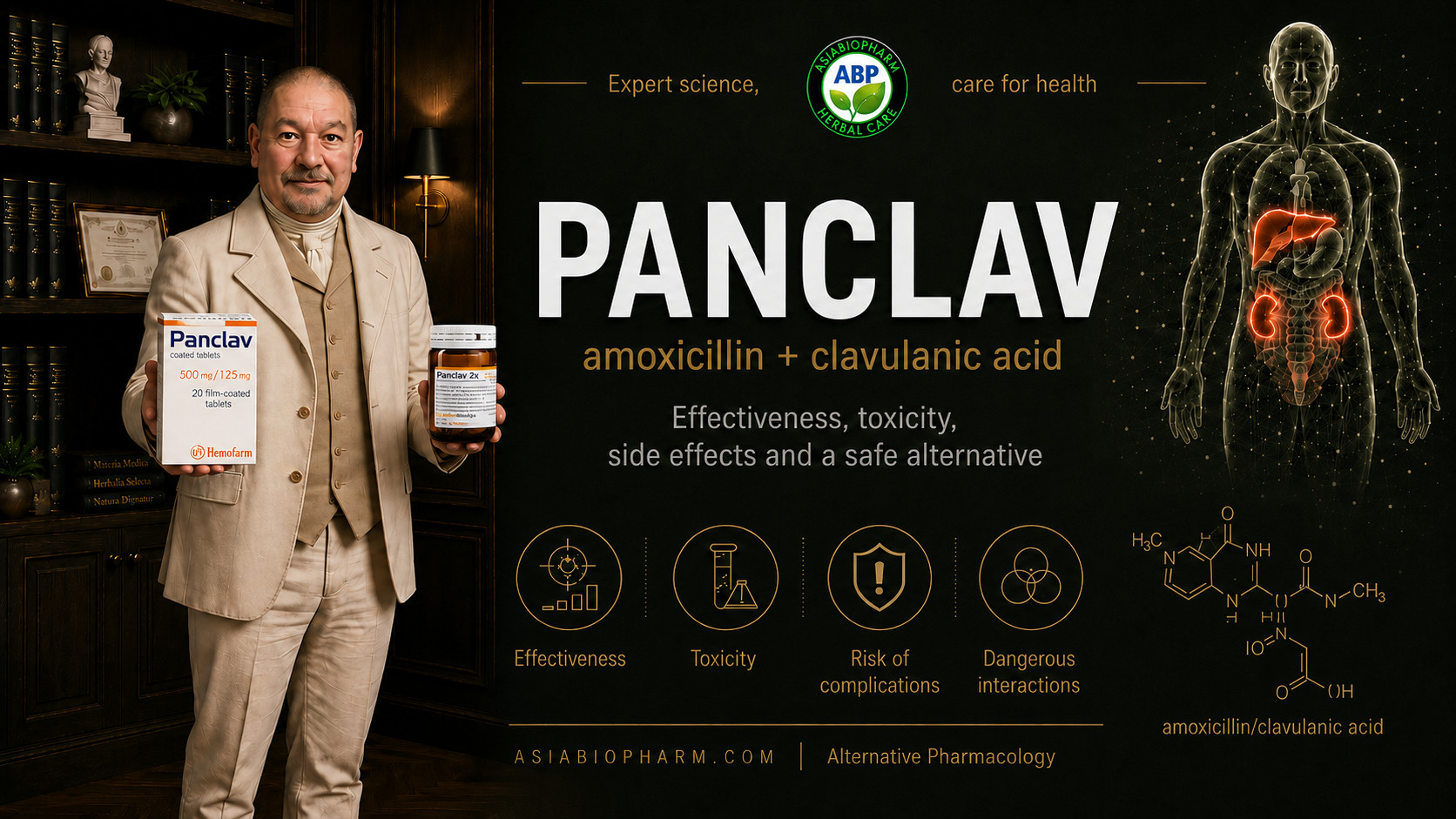
EFFECTIVE IN CONFIRMED BACTERIAL INFECTIONS | TOXIC
Names Under Which β-Lactamase Inhibitors Are Found
β-Lactamase inhibitors are not a single drug but several active substances that protect a β-lactam antibiotic from degradation by bacterial enzymes. Classic inhibitors include clavulanic acid, potassium clavulanate; sulbactam, sulbactam sodium; tazobactam, tazobactam sodium. Modern non-β-lactam inhibitors include avibactam, relebactam, vaborbactam, and durlobactam. Most of these substances are not used on their own: patients receive them in fixed combinations with an antibiotic. The main combinations are amoxicillin/clavulanic acid — Amoxiclav, Augmentin, Flemoclav Solutab, Panclav, Ecoclav, Clavam, co-amoxiclav; ampicillin/sulbactam — Unasyn, Sultasin; cefoperazone/sulbactam — Sulperazone and analogues; piperacillin/tazobactam — Tazocin, Zosyn; ceftazidime/avibactam — Zavicefta, Avycaz; aztreonam/avibactam — Emblaveo; imipenem/cilastatin/relebactam — Recarbrio; meropenem/vaborbactam — Vabomere; sulbactam/durlobactam — Xacduro. Accidental hidden duplication of the same inhibitor does not usually occur; however, a patient may receive two different “protected” antibiotics at the same time and effectively double the β-lactam exposure, as well as the risk of allergy, diarrhea, liver and kidney injury, and disruption of the microbiota.
Why Protected Antibiotics Are Considered Harmless and Where the Real Risk Begins
The word “protected” refers to protection of the antibiotic from bacterial β-lactamases, not to protection of the patient from toxicity. Adding an inhibitor broadens the drug’s activity against some resistant bacteria, but at the same time creates an additional pharmacological burden. Amoxicillin/clavulanate is particularly illustrative: this combination is one of the most common causes of clinically apparent drug-induced liver injury, whereas amoxicillin alone causes this complication much less frequently. Liver injury often begins after the course has already been completed, so a person may not associate jaundice, itching, weakness, and dark urine with the antibiotic. A false sense of safety is reinforced by its routine prescription for colds, the availability of pediatric formulations, and the perception that adding clavulanate turns the drug into an “improved amoxicillin.” Repeated courses increase the likelihood of sensitization, antibiotic-associated diarrhea, and selection of resistant flora. Alcohol does not produce a specific disulfiram-like reaction, but in the presence of nausea, dehydration, or drug-induced liver injury it increases the burden on the body and makes complications more difficult to recognize.
Side Effects During the First Hours and Days of Use
Common reactions to protected antibiotics include diarrhea, nausea, vomiting, abdominal pain, headache, skin rash, and candidiasis resulting from suppression of the normal microbiota. In studies of ceftazidime/avibactam, diarrhea, nausea, and vomiting were among the most frequently reported adverse events. Clinically significant complications include severe antibiotic-associated diarrhea, elevated liver enzyme activity, acute kidney injury, hypokalemia, cytopenias, and coagulation disorders, depending on the specific combination. An immediate IgE-mediated reaction may occur after the first dose: urticaria, bronchospasm, laryngeal edema, hypotension, and anaphylactic shock. Life-threatening reactions include Stevens–Johnson syndrome, toxic epidermal necrolysis, DRESS syndrome, severe colitis, seizures caused by β-lactam accumulation in a patient with renal failure, and severe acute kidney injury. Bleeding, impaired platelet aggregation, and abnormal coagulation parameters have also been described with piperacillin/tazobactam.
Consequences of Long-Term and Repeated Use
β-Lactamase inhibitors do not cause drug dependence, tolerance, or a classic withdrawal syndrome. The main danger of repeated and unjustifiably prolonged courses is cumulative disruption of the microbiota, an increased risk of Clostridioides difficile-associated colitis, candidiasis, and selection of multidrug-resistant bacteria. Amoxicillin/clavulanate is associated with delayed cholestatic or mixed liver injury, which may appear several days or weeks after treatment has ended. Jaundice and itching may sometimes persist for months; recovery may take up to six months, and re-exposure may cause a faster and more severe injury. With prolonged piperacillin/tazobactam use, particularly for more than 21 days, the risk of leukopenia and neutropenia increases; thrombocytopenia, hypokalemia, and liver dysfunction may also occur. In critically ill patients, prolonged therapy and combination with other nephrotoxic agents increase the risk of acute kidney injury. The absence of nausea or rash during the first few days does not exclude delayed cholestasis, cytopenia, or antibiotic-associated colitis.
Contraindications and High-Risk Groups
An absolute contraindication is a history of severe hypersensitivity to the corresponding β-lactam antibiotic, the inhibitor, or other penicillins, cephalosporins, and carbapenems when a cross-reaction has been established. Amoxicillin/clavulanate is contraindicated in patients in whom this combination previously caused cholestatic jaundice or liver dysfunction: re-exposure may result in a more rapid and more severe recurrence. When the glomerular filtration rate is reduced, most modern combinations require mandatory dose adjustment; without it, the antibiotic component in particular accumulates, increasing the likelihood of encephalopathy, myoclonus, and seizures. Patients with pre-existing liver disease, older adults, and people who have repeatedly received amoxicillin/clavulanate have a higher risk of a clinically significant hepatotoxic response. Patients with hematopoietic disorders, coagulopathy, or a prolonged course of piperacillin/tazobactam are more likely to develop cytopenia and bleeding. In heart or kidney failure, the substantial sodium load of some injectable preparations should be taken into account.
Dangerous Drug Combinations
Repeated use of amoxicillin/clavulanate is contraindicated after jaundice or drug-induced hepatitis associated with this combination. Combining piperacillin/tazobactam with vancomycin without strict indications is highly undesirable: this combination is associated with an increased incidence of acute kidney injury and requires regular monitoring of creatinine, urine output, and estimated glomerular filtration rate. Probenecid inhibits the renal secretion of penicillins and several inhibitors: with piperacillin/tazobactam, it prolongs the half-life of both components, so the combination is undesirable unless there is a specific reason for its use. Concomitant use of piperacillin/tazobactam with warfarin, heparin, antiplatelet agents, or other drugs that affect hemostasis requires coagulation monitoring because of the risk of bleeding. High concentrations of β-lactams may slow the elimination of methotrexate and increase its toxicity, so methotrexate concentration, blood parameters, liver function, and kidney function should be monitored. Allopurinol used together with aminopenicillins increases the likelihood of skin rash. Alcohol has no direct pharmacokinetic interaction with most inhibitors, but it is highly undesirable in the presence of diarrhea, vomiting, dehydration, or signs of liver injury. No reliable universal interactions with caffeine or nicotine have been established for the entire group. Herbal preparations and dietary supplements with potential hepatotoxicity or nephrotoxicity complicate assessment of the cause of liver or kidney injury, so combining them with a course of a protected antibiotic requires individual evaluation.
Patient Errors
The main everyday mistake is choosing a “protected” antibiotic as an inherently stronger drug without confirming a bacterial infection and the susceptibility of the pathogen. Clavulanate, tazobactam, or avibactam do not turn an antibiotic into a universal treatment: each inhibitor blocks only certain classes of β-lactamases, while against viruses the entire combination remains just as useless. Increasing the dose when there is no effect increases toxicity but does not overcome resistance if the microorganism uses another resistance mechanism. Shortening the dosing intervals, independently prolonging the course, using leftovers from a previous prescription, and taking two combination antibiotics at the same time are dangerous. Premature discontinuation after temporary improvement is also a mistake: it may lead to treatment failure and further selection of resistant flora. Rash, watery diarrhea, jaundice, dark urine, reduced urine output, or worsening confusion must not be masked with antihistamines, antidiarrheal agents, or painkillers while the course is continued. Familiarity with Amoxiclav or Augmentin is not evidence of their harmlessness, and the absence of complications in the past does not guarantee that repeated use will be safe.
Overdose and Poisoning
There is no universal toxic dose for β-lactamase inhibitors: the risk depends on the specific combination, route of administration, kidney function, age, and body weight. Most clinical manifestations of overdose are related not to the isolated inhibitor but to accumulation of the antibiotic component. During the first hours, nausea, vomiting, abdominal pain, and severe diarrhea with disruption of water and electrolyte balance may occur. Crystalluria has been described in amoxicillin overdose and may lead to tubular obstruction and acute kidney failure; the risk is higher in dehydration and impaired kidney function. High intravenous doses of piperacillin/tazobactam, especially without dose adjustment in renal failure, may cause neuromuscular excitability, confusion, myoclonus, and seizures. Similar neurotoxicity may occur with accumulation of cephalosporins and carbapenems. Hidden overdose may result from an error in recalculating a child’s dose, use of an adult suspension instead of a pediatric formulation, incorrect reconstitution of the powder, administration too frequently, or failure to adjust the dose when glomerular filtration is reduced. There is no specific antidote for clavulanate, sulbactam, tazobactam, avibactam, relebactam, or vaborbactam. Treatment includes immediate discontinuation, monitoring of electrolytes, kidney function, urine output, and neurological status; some components of these combinations can be partially removed by hemodialysis. Waiting for seizures, anuria, or marked confusion to appear is dangerous: by that point, the β-lactam concentration may already be toxic.
Safe Integrative Alternative and Recovery After Protected Antibiotics
In mild or moderate uncomplicated inflammation, when there are no signs of pneumonia, pyelonephritis, abscess, sepsis, or another bacterial process requiring systemic antibiotic therapy, a combination of Houttuynia cordata, Lonicera japonica, and Forsythia suspensa may be considered. Houttuynia combines anti-inflammatory, antimicrobial-oriented, antioxidant, and mucoprotective effects; Japanese honeysuckle and forsythia complement the combination in inflammation of the respiratory tract and mucous membranes. Such a combination is not equivalent to amoxicillin/clavulanate, piperacillin/tazobactam, or modern reserve combinations in a confirmed severe bacterial infection. It may be appropriate in a mild stable course, during the recovery period, or as adjunctive therapy after conditions requiring an antibiotic have been excluded.
After a course of protected antibiotics, the main objective is not to try to replace the treatment already given with another “antimicrobial” agent, but to restore the intestinal barrier, mucous membranes, microbiota, antioxidant defenses, and the functions of organs involved in drug metabolism and elimination. To support the intestinal barrier and local immune defense, colostrum containing immunoglobulins, lactoferrin, and growth factors may be used. It is contraindicated in people with an allergy to cow’s milk proteins. For hepatoprotective support, Silybum marianum — milk thistle is preferred, particularly after amoxicillin/clavulanate, which can cause delayed cholestatic or mixed liver injury. Rehmannia glutinosa may complement anti-inflammatory, antioxidant, and nephrohepatoprotective support, although it should be used cautiously in pronounced antibiotic-associated diarrhea.
If inflammatory and oxidative components persist, Curcuma longa — turmeric may be used, but it should not be prescribed automatically in active cholestasis, biliary obstruction, gallstone disease, or an increased risk of bleeding. For gentle support of the urinary system when urine output is preserved, Orthosiphon aristatus may be used. It does not treat acute kidney injury and should not be used to force diuresis in dehydration, oliguria, or rising creatinine. Ganoderma lucidum and Centella asiatica may be used for additional antioxidant, metabolic, and microcirculatory support, while Hericium erinaceus may be used in programs aimed at restoring mucous membranes and neuroimmune regulation.
The Metal and Xenobiotic Detoxification Complex may be considered as additional support for antioxidant systems, biotransformation, and excretion after drug exposure. However, antibiotics are not heavy metals, and the term “detoxification” does not mean that a herbal complex can instantly remove a drug from the body or eliminate established liver or kidney injury. In the presence of jaundice, reduced urine output, rising creatinine, severe diarrhea, or pronounced weakness, the complication must be diagnosed rather than its symptoms masked with a recovery complex.
Real Effectiveness of β-Lactamase Inhibitors
β-Lactamase inhibitors are effective only when the bacterium produces an enzyme that is susceptible to the specific inhibitor and the antibiotic component retains its ability to bind to penicillin-binding proteins. Clavulanate, sulbactam, and tazobactam primarily inhibit certain serine β-lactamases, whereas avibactam, relebactam, vaborbactam, and durlobactam were developed to target particular resistance mechanisms in Gram-negative bacteria. No inhibitor makes an antibiotic universal: a combination may be ineffective when an unsuitable β-lactamase is produced, the target is altered, membrane permeability is reduced, efflux pumps are activated, or a biofilm is formed. In a viral infection, a protected antibiotic is as effective as an expensive key to a door that does not exist.
Amoxicillin/clavulanate is indeed used for certain bacterial infections of the respiratory tract, skin, soft tissues, the maxillofacial region, and the urinary system. Piperacillin/tazobactam, ceftazidime/avibactam, meropenem/vaborbactam, and other reserve combinations are necessary for severe hospital-acquired infections and resistant Gram-negative pathogens. They treat the bacterial cause only when the drug, dose, route of administration, and duration of therapy are chosen correctly. They do not eliminate viral inflammation, allergic rhinitis, nonbacterial bronchitis, or sore throat of unknown etiology.
Common prescribing errors include using a protected antibiotic without confirmed indications, choosing it as a “stronger” option instead of a narrow-spectrum drug, failing to perform culture testing in recurrent or severe infection, incorrect dose adjustment in renal failure, and ignoring a previous episode of drug-induced liver injury. It is no less dangerous to continue empirical therapy after resistance data have become available or to prescribe two β-lactam combinations without a justified clinical purpose.
Safety Monitoring During Treatment
For a short outpatient course in a patient without comorbidities, it is usually sufficient to monitor general well-being, stool characteristics, skin reactions, temperature, and the course of infection symptoms. If there is no improvement within 48–72 hours, the diagnosis, pathogen susceptibility, the presence of a focus requiring drainage, and the appropriateness of the selected dose should be reassessed. Simply increasing the dose without repeat diagnostic evaluation increases toxicity but does not correct an inappropriate mechanism of action.
When amoxicillin/clavulanate is used in patients with liver disease, in older adults, or during prolonged or repeated courses, it is advisable to monitor alanine aminotransferase, aspartate aminotransferase, alkaline phosphatase, gamma-glutamyl transferase, and bilirubin. Monitoring may be required not only during treatment but also after it has ended, because cholestatic liver injury may develop with a delay. Jaundice, generalized itching, pale stools, dark urine, or pain in the right upper abdomen require immediate discontinuation of the drug and exclusion of drug-induced hepatitis.
During intravenous therapy with piperacillin/tazobactam and other hospital-use combinations, creatinine, estimated glomerular filtration rate, urine output, and electrolytes should be monitored. During prolonged treatment, a complete blood count, platelet count, and hemostasis parameters should additionally be assessed. Particularly frequent monitoring is required when these drugs are combined with vancomycin, methotrexate, anticoagulants, and other potentially nephrotoxic agents or drugs that affect hematopoiesis.
Difficulty breathing, swelling of the face or larynx, a drop in blood pressure, generalized urticaria, blistering and skin detachment, high fever with a widespread rash, seizures, confusion, a sharp decrease in urine output, bleeding, and repeated watery stools, especially with fever or blood, require emergency medical care. Delaying treatment in such situations increases the risk of respiratory failure, severe dehydration, toxic organ injury, and a systemic inflammatory response.
Proper Discontinuation and Consequences of Stopping Treatment
β-Lactamase inhibitors and antibiotic combinations containing them do not require gradual dose reduction. They do not cause a classic withdrawal syndrome, physical dependence, or pharmacological rebound. If anaphylaxis, a severe skin reaction, drug-induced liver injury, pronounced kidney injury, seizures, or severe antibiotic-associated diarrhea develops, the drug is discontinued immediately.
The absence of a withdrawal syndrome does not mean that the course can be stopped arbitrarily after the first signs of improvement. Premature discontinuation of appropriately prescribed treatment may result in persistence of the infection focus, relapse, and the need for another course of therapy. At the same time, the outdated rule that an antibiotic must “always be finished at any cost” should not be used to justify continuing a drug when a toxic reaction has been confirmed or the diagnosis has been revised. The duration of treatment is determined by the location of the infection, clinical progress, test results, and current recommendations, not by the number of tablets remaining in the package.
After the course is completed, no special pharmacological “elimination” of the inhibitor is required: when liver and kidney function are preserved, the components of the combination are eliminated naturally. A recovery program is aimed not at accelerating removal of the drug, but at correcting the consequences of antibiotic therapy — disruption of the intestinal barrier and microbiota, oxidative stress, mucosal injury, and the functional burden on the liver and kidneys.
A Rational Approach to Treatment
Protected antibiotics are justified when a bacterial infection has been confirmed or is clinically highly probable, the presumed pathogen is capable of producing a susceptible β-lactamase, and rapid and predictable antibacterial activity is genuinely required. In severe pneumonia, pyelonephritis, intra-abdominal infection, sepsis, abscess, and infections caused by resistant Gram-negative flora, attempting to replace an appropriate antibiotic with a herbal preparation may lead to progression of the infection and loss of valuable time.
In mild, stable, uncomplicated inflammation without a proven bacterial cause, an approach that does not create unnecessary pressure on the microbiota or increase the risk of hepatotoxicity, nephrotoxicity, and selection of resistant bacteria is preferable. In such situations, Houttuynia cordata, Lonicera japonica, and Forsythia suspensa may be used after clinical assessment of the patient’s condition.
After a necessary course of antibiotics, it is reasonable to focus on restoring the intestinal barrier, mucous membranes, liver function, renal excretion, and antioxidant defenses. Depending on individual indications, colostrum, Silybum marianum — milk thistle, Rehmannia glutinosa, Orthosiphon aristatus, Curcuma longa — turmeric, Ganoderma lucidum, Centella asiatica, and Hericium erinaceus may be used. The purpose of this approach is not to reject effective antibacterial therapy, but to reduce polypharmacy, toxicological burden, and delayed consequences of treatment.
If you have questions about the topic of this article, you can ask a clinical pharmacologist in the comments or book an appointment via the link.
0 comments