
Maxillary Sinusitis - Symptoms, Causes, Diagnosis and Treatment
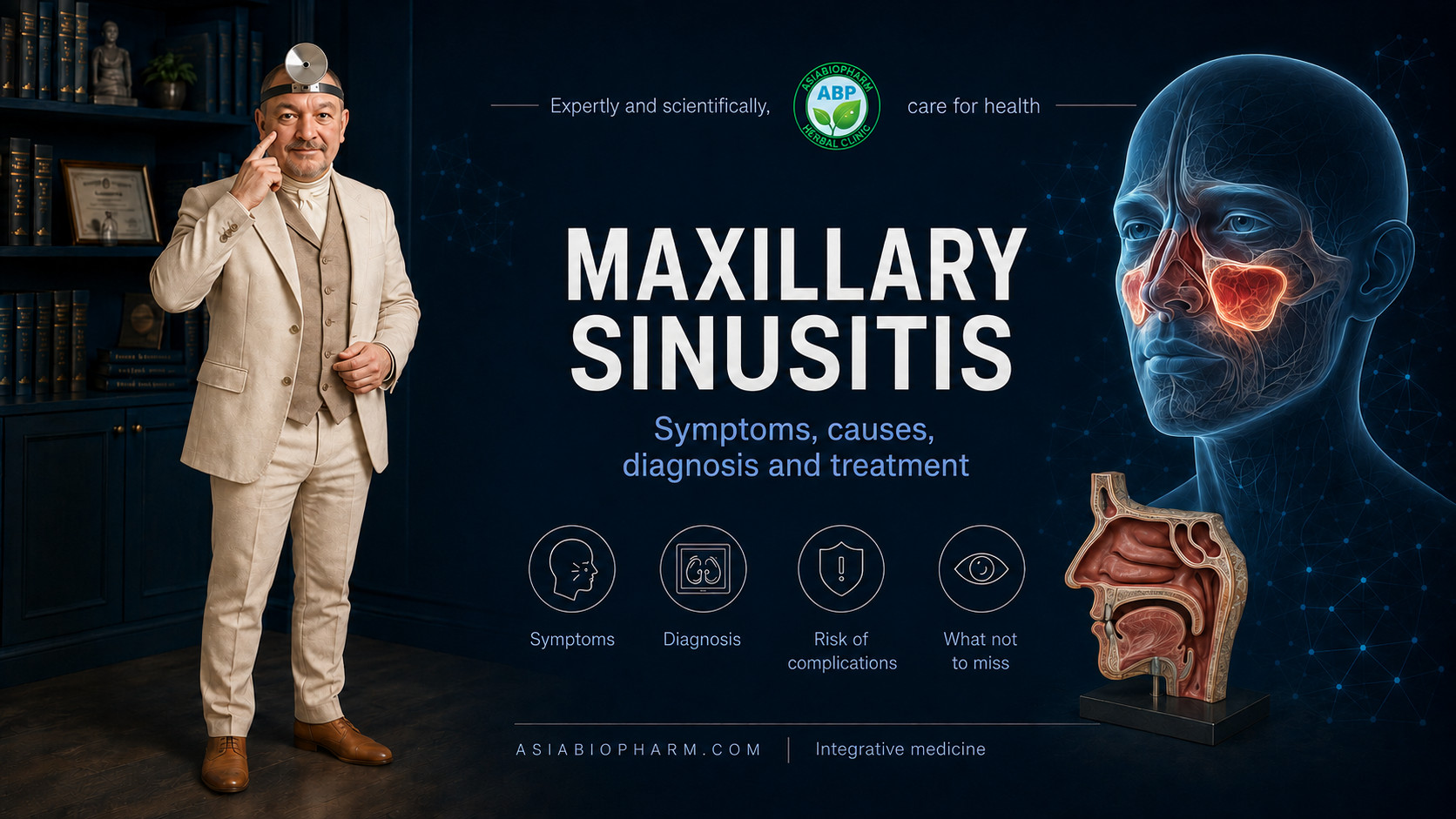
Maxillary sinusitis is inflammation of the mucous membrane of the maxillary sinus. It usually occurs together with inflammation of the nasal cavity, so the medically more precise term is maxillary rhinosinusitis. The most characteristic symptoms are nasal congestion, thick discharge, mucus draining down the back of the throat, pressure or pain in the cheek and below the eye, reduced sense of smell, headache and toothache that become worse when bending the head forward. Cough, an unpleasant smell from the nose or mouth, weakness and fever may also occur. An acute episode most often develops after a viral infection and is less commonly bacterial or odontogenic — associated with inflammation of the upper teeth, periodontitis, dental implantation, tooth extraction or entry of filling material into the sinus. Chronic inflammation is promoted by allergic and vasomotor rhinitis, polyps, a deviated nasal septum, impaired natural drainage from the sinus, smoking, polluted air, immune disorders and recurrent infections. In children, isolated involvement of a single sinus is less common, and cough may be more prominent than facial pain. In older adults and in patients with diabetes mellitus or immunodeficiency, symptoms may sometimes be less pronounced despite a higher risk of complications. An acute episode usually lasts from several days to several weeks; persistence of symptoms for at least 12 weeks indicates chronic rhinosinusitis.
How to determine whether you have maxillary sinusitis
A characteristic presentation is a combination of nasal congestion or abnormal nasal discharge with pressure, a sensation of fullness or pain in one or both cheeks. A bacterial process is more likely if symptoms do not improve for more than 10 days, if the condition worsens again after an initial improvement, or if the illness is accompanied from the first days by severe facial pain, purulent discharge and high fever. The color of mucus alone does not prove a bacterial infection and is not sufficient grounds for antibiotic treatment. Unilateral foul-smelling discharge, pain in the upper teeth or a recent dental procedure requires exclusion of odontogenic maxillary sinusitis.
The diagnosis is usually made by an otorhinolaryngologist based on the patient’s complaints, examination of the nasal cavity and endoscopy. In uncomplicated acute disease, X-ray imaging and computed tomography are usually unnecessary: imaging abnormalities may persist after an ordinary viral infection and do not reliably identify the causative pathogen. CT of the paranasal sinuses is required when complications are suspected, in chronic or recurrent disease, in a unilateral process, before surgery or when treatment is ineffective. If a dental origin is suspected, a dental examination and targeted CT of the upper jaw are required. Culture of sinus discharge is not performed in every patient and is used primarily in severe, complicated, hospital-acquired or treatment-resistant disease. Isolated facial pain without nasal congestion or discharge more often prompts evaluation for migraine, neuralgia, dental disease or temporomandibular joint dysfunction.
Red flags
Immediate emergency medical care is required if there is swelling of the eyelids or cheek, redness around the eye, pain with eye movement, double vision, reduced vision or protrusion of the eyeball: these symptoms may indicate spread of inflammation into the orbit. A severe and worsening headache, neck stiffness, repeated vomiting, photophobia, confusion, seizures, weakness in the limbs or speech disturbance may indicate an intracranial complication and require an emergency medical response.
Urgent examination by an otorhinolaryngologist is required if there is rapidly worsening unilateral pain, noticeable facial swelling, high fever with severe intoxication, bloody discharge, a sharply unpleasant odor from one side of the nose, severe toothache, deterioration after dental surgery or lack of response to prescribed treatment. Medical evaluation should not be delayed during pregnancy, in immunodeficiency, poorly controlled diabetes mellitus, cancer, during treatment with immunosuppressants, or in young children and frail older patients.
Initial self-care measures for maxillary sinusitis
Until the diagnosis is clarified, it is helpful to sleep for at least 7–8 hours, temporarily reduce physical activity, avoid smoking and alcohol, ventilate the room regularly and maintain indoor humidity at about 40–60%. Sleeping with the head slightly elevated may be more comfortable. Warm water, unsweetened compote or weak tea can be consumed in small amounts throughout the day; for an adult without heart or kidney failure, an approximate total fluid intake is about 30 ml per kilogram of body weight, including liquid foods. In heart or kidney disease, edema or conditions requiring fluid restriction, the appropriate volume should be discussed with a doctor.
A ready-made sterile isotonic sodium chloride solution may be used for nasal irrigation. For high-volume nasal rinsing, use only sterile or distilled water, or water that has been boiled for at least 5 minutes and then cooled until warm. A homemade isotonic solution can be prepared using 9 g of table salt per 1 liter of water; the container must be clean, and it is preferable to prepare a fresh solution daily. Rinsing should be performed without strong pressure, with the head tilted forward and slightly to one side. Stop the procedure if ear pain or blockage, bleeding, dizziness or a sudden increase in pain occurs. If the nasal passage is completely obstructed, after recent surgery, or in people prone to nosebleeds, the rinsing technique should be discussed with a doctor.
Do not independently apply heat to the sinus area in the presence of high fever, facial swelling, purulent inflammation or odontogenic disease. Hot steam inhalations should not be used: they do not clear an obstructed sinus but can cause burns and increase swelling. Do not put onion or garlic juice, undiluted essential oils, hydrogen peroxide, alcohol-based tinctures or concentrated herbal solutions into the nose. Do not start antibiotics on your own, use medication left over from a previous illness or attempt to puncture the sinus yourself. If the condition worsens, fever rises again, or symptoms do not improve after 10 days of illness, medical evaluation is required.
Stages and possible progression of maxillary sinusitis
Acute maxillary sinusitis usually begins as viral rhinosinusitis. Swelling of the mucous membrane blocks the natural opening of the maxillary sinus, impairs ventilation and mucociliary clearance, and causes secretions to accumulate. In most patients, the process gradually resolves without antibiotics. If symptoms persist for more than 10 days or a new wave of worsening occurs after improvement, the condition is described as post-viral, and the likelihood of bacterial inflammation is assessed.
Recurrent episodes may be associated not with an “undertreated infection” but with allergy, polyps, anatomical narrowing of the sinus opening, immune disorders, exposure to smoke and dust, or a dental source. In chronic disease, inflammation of the mucous membrane persists for at least 12 weeks. Thickening of the mucosa, cysts and polyps, persistent loss of smell, chronic cough, worsening of bronchial asthma and spread of infection to the bones, soft tissues of the face and the orbit may occur. Intracranial complications are rare but potentially life-threatening.
Integrative treatment methods for maxillary sinusitis
Integrative therapy should simultaneously address inflammation of the mucous membrane, impaired drainage from the maxillary sinus, secretion viscosity, microbial burden, tissue edema and factors that sustain chronic disease. In confirmed bacterial, odontogenic, fungal or complicated disease, integrative preparations do not replace necessary antibacterial therapy, treatment of the causative tooth, removal of foreign material or surgical restoration of sinus drainage.
The main topical preparation is the ABP-153 oil infusion — the basic DMSO-free version intended primarily for mucous membranes and superficial and cavity-related inflammatory processes. When administered intranasally, the composition has local anti-inflammatory, antimicrobial, secretolytic, anti-edematous and reparative effects and supports restoration of the epithelium and mucociliary clearance.
ABP-153 does not mechanically irrigate an obstructed sinus and does not replace restoration of the patency of its natural opening. Menthol, camphor, borneol, eucalyptus, clove and other active components may cause burning, sneezing, irritation or a reactive increase in nasal congestion. In the presence of active nasal bleeding, marked mucosal injury, intense watery rhinorrhea or an individual adverse reaction, topical use should be discontinued.
The oil infusion should not be administered at the same time as water-based nasal sprays: nasal rinsing and the prescribed water-based medication should be used first, while ABP-153 should be used in a separate time window. ABP-153D is not required for maxillary sinusitis because enhanced transdermal delivery into deep tissues does not correspond to the primary mucosal and sinus-cavity target of the disease.
An important systemic approach is correction of inflammatory exudation and venous-lymphatic drainage. For this purpose, the following functional combination is used: heartleaf Houttuynia Houttuynia cordata, Murdannia loriformis, butcher’s broom Ruscus aculeatus and squalene.
Heartleaf Houttuynia Houttuynia cordata reduces inflammatory, infectious and exudative burden on the mucous membrane. It is particularly appropriate when maxillary sinusitis occurs together with rhinitis, rhinopharyngitis, postnasal drip and inflammation of the lower respiratory tract. Dyspepsia, increased urination and allergic reactions are possible. Caution is required in decompensated liver and kidney disease, active autoimmune disorders and during treatment with diuretics or immunosuppressants.
Murdannia loriformis is used to support immunolymphatic regulation and reduce inflammatory exudate. An individual safety assessment is required in patients prone to arterial hypotension, and in acute nephritis, pancreatitis, cholangitis, pregnancy and lactation. Dyspepsia, weakness, a reduction in blood pressure and allergic reactions may occur.
Butcher’s broom Ruscus aculeatus increases venous tone, reduces capillary filtration and fluid stasis in inflamed tissues, thereby supporting venous-lymphatic drainage. It acts not only on the subjective sensation of nasal congestion but also on one of the mechanisms responsible for its persistence — engorgement of the venous sinusoids and tissue edema. Butcher’s broom should not be used without an individual assessment in marked arterial hypertension or acute kidney disease. Caution is required when it is combined with decongestants, sympathomimetics or medications that affect blood pressure.
Squalene supports lipid membranes, antioxidant defense and restoration of the epithelial barrier. It is not an independent vasoconstrictor or lymphatic drainage agent and does not replace butcher’s broom. Squalene should not be used in individuals with intolerance to fish, seafood or sulfites. Nausea, dyspepsia and allergic reactions may occur.
In chronic maxillary sinusitis without polyps, persistent nasal congestion, facial pressure and coexisting allergic inflammation, the preferred additional component is black seed Nigella sativa. Thymoquinone and other constituents provide anti-inflammatory, antihistamine, antimicrobial and immunomodulatory effects that complement the venous-lymphatic combination.
Black seed may cause dyspepsia, diarrhea, headache, allergic reactions and an additional reduction in blood pressure and blood glucose levels. When used simultaneously with glucose-lowering agents, antihypertensive medications, anticoagulants or antiplatelet agents, the possibility of enhanced effects should be taken into account.
Indian frankincense Boswellia serrata is more appropriate in chronic and recurrent inflammation. Boswellic acids inhibit the 5-lipoxygenase pathway, reducing leukotriene-dependent edema, hypersecretion and inflammatory pain.
Boswellia should not be used in active peptic ulcer disease, acute hepatitis or individual intolerance. Dyspepsia, heartburn, nausea, diarrhea and allergic reactions may occur. Caution is required when it is combined with anticoagulants or antiplatelet agents.
In an acute infectious-inflammatory process, weeping forsythia Forsythia suspensa may be added for its anti-inflammatory, antimicrobial, antiviral and antipyretic effects. It is particularly appropriate in conditions accompanied by purulent secretions, inflammatory pain, regional lymphadenitis and systemic intoxication.
Forsythia does not replace antibiotics, sinus drainage or treatment of the causative tooth in confirmed bacterial or odontogenic maxillary sinusitis. It requires caution during exacerbation of peptic ulcer disease, hyperacid gastritis and marked intestinal disorders. Nausea, abdominal pain, loose stools and allergic reactions may occur.
Baikal skullcap Scutellaria baicalensis may be considered in pronounced mucosal inflammation, an allergic or mixed phenotype, a tendency toward edema and prolonged persistence of nasal congestion. Baicalin, baicalein and wogonin participate in suppression of pro-inflammatory signaling pathways, cytokine production and mast-cell activity.
With systemic use of skullcap, possible additive sedative, hypotensive and anticoagulant effects should be taken into account. Drowsiness, slowed reactions, dizziness, muscle weakness and a reduction in blood pressure may occur. The preparation should not be used in decompensated hepatic failure or individual intolerance.
When an allergic component has been confirmed, Allergy Mixture Capsules may be used to address hypersecretion, mucosal edema and Th2-dependent inflammation. The formula is particularly appropriate when maxillary sinusitis is accompanied by allergic rhinitis, itching, sneezing, clear rhinorrhea and bronchial hyperreactivity.
Because Allergy Mixture Capsules already contain Murdannia loriformis and Andrographis paniculata, separate use of Murdannia and Andrographis should be taken into account to avoid unnecessary duplication. During pregnancy and lactation, in severe cardiovascular disease and in individuals with specific sensitivity, the formula should not be used without an individual assessment.
To reduce inflammatory facial pain, pressure in the sinus area and tissue edema, Anti-inflammatory Mixture Five Root Compound may be used. It may be considered as a plant-based alternative to escalating symptomatic NSAID use and does not have the direct ulcerogenic and platelet effects characteristic of nonselective cyclooxygenase inhibition. However, individual intolerance to its components is possible.
If the predominant manifestations are high fever, chills, body aches and systemic intoxication, Antipyretic Compound is preferable. Continuous simultaneous use of both mixtures is usually unnecessary: the preparation should be selected according to the predominant syndrome. Persistent high fever, facial swelling, visual disturbance, severe unilateral pain or neurological symptoms require urgent diagnostic evaluation and should not be masked by symptomatic treatment.
For postnasal drip, throat irritation, cough and hoarseness, “Cough and Hoarseness” Boluses may additionally be used. Slow dissolution provides prolonged contact of emblica, licorice and honey with the laryngopharyngeal mucosa.
The boluses are not suitable for young children or patients with swallowing disorders because of the risk of aspiration. Caution is required in diabetes mellitus and honey allergy. Prolonged or excessive intake of licorice may increase blood pressure, cause fluid retention, edema and hypokalemia. The risk of cardiac rhythm disturbances increases when it is combined with diuretics, cardiac glycosides, systemic glucocorticosteroids and certain antiarrhythmic medications.
A rationally selected integrative regimen makes it possible to combine local restoration of the mucous membrane, control of inflammatory secretion, support of venous-lymphatic drainage and correction of the predominant symptoms without unjustified escalation of decongestants, NSAIDs or antibiotics. At the same time, plant origin does not eliminate the possibility of allergy, dyspepsia, effects on blood pressure, coagulation and glucose levels, or drug interactions and duplication of components. Therefore, the final treatment combination is determined by the cause of maxillary sinusitis, its form and duration, patency of the sinus opening, dental status and the pharmacotherapy already being used.
What you need to know about standard modern medical protocols
In uncomplicated acute maxillary sinusitis, standard treatment is based on observation, saline irrigation, pain control and restoration of nasal breathing. Antibiotics are not required for every case of maxillary sinus inflammation; they are used primarily when a bacterial process is clinically likely, when the condition is severe, when complications are present or when there is a high risk of their development. Unnecessary antibiotic therapy does not speed recovery in viral rhinosinusitis, but it disrupts the microbiota, causes drug-related complications and promotes selection of resistant bacteria.
Intranasal glucocorticosteroids — mometasone, fluticasone, budesonide and other drugs of this class — reduce inflammation and swelling of the mucous membrane, especially when maxillary sinusitis is combined with allergic rhinitis or a polypous process. They do not eliminate bacterial pathogens, remove pus from an obstructed sinus or correct mechanical obstruction of the sinus opening.
Mometasone may cause dryness, burning, soreness, crusting, nosebleeds, mucosal ulceration and delayed healing. Fluticasone also has clinically dangerous interactions with ritonavir, cobicistat, ketoconazole and other potent CYP3A4 inhibitors: the hormone concentration may rise sharply, leading to Cushing syndrome and suppression of adrenal function. Budesonide may also cause systemic hormonal exposure when used for prolonged periods or in excessive amounts.
All intranasal glucocorticosteroids, when used for prolonged periods, may suppress local immune defenses, mask fungal or bacterial infection, promote nasopharyngeal candidiasis and delay tissue repair. Increased intraocular pressure, glaucoma, cataracts, suppression of the hypothalamic-pituitary-adrenal axis and slowed growth in children are possible. The spray stream must not be directed toward the nasal septum: chronic trauma increases the risk of bleeding, ulceration and, rarely, perforation. These medications should not be started without medical advice after recent surgery or nasal trauma, in the presence of unhealed erosions, frequent nosebleeds, glaucoma, cataracts or severe infection.
Paracetamol is used to reduce facial pain, headache and fever but does not act on the inflammatory focus within the sinus. Its main danger is dose-dependent hepatic necrosis. Exceeding the total dose, taking several combination products containing paracetamol at the same time, regular alcohol consumption, fasting, severe depletion and liver disease increase the risk of acute liver failure, coagulation disorders, encephalopathy, coma, the need for liver transplantation and death. In the first hours of severe poisoning, pronounced symptoms may be absent.
Nonsteroidal anti-inflammatory drugs — ibuprofen, naproxen, ketoprofen and others — reduce pain and fever but may cause erosions, ulcers, gastrointestinal bleeding and perforation of the stomach or intestinal wall. They reduce renal blood flow, cause sodium and fluid retention, raise blood pressure and may provoke edema, acute kidney failure and decompensation of heart failure.
NSAIDs may cause bronchospasm, anaphylaxis, liver injury, severe skin reactions and an increased risk of thrombotic cardiovascular complications. They should not be started without medical supervision in patients with gastrointestinal ulcers or bleeding, severe kidney disease, decompensated heart failure, coagulation disorders, NSAID-induced asthma, or when anticoagulants, antiplatelet agents, systemic glucocorticosteroids or certain antidepressants are being used at the same time. During pregnancy, the choice of medication must be discussed with a doctor.
Amoxicillin or amoxicillin with clavulanic acid is used when bacterial maxillary sinusitis is suspected. Nausea, abdominal pain, diarrhea, candidiasis, rash and contact or systemic allergic reactions may occur. The most dangerous reactions include anaphylaxis, angioedema, bronchospasm, severe bullous skin reactions, hemolytic anemia, thrombocytopenia, neutropenia, interstitial nephritis and seizures when the drug accumulates in the setting of renal failure.
Clavulanic acid increases the risk of drug-induced hepatitis and cholestatic liver injury. Jaundice, itching, dark urine and weakness may appear both during treatment and after it has ended. Amoxicillin with clavulanate may cause antibiotic-associated colitis, including severe Clostridioides difficile infection with dehydration, toxic megacolon, intestinal perforation and sepsis. The drug should not be started in patients with anaphylaxis to penicillins, and an individualized dosing regimen is required in renal failure. Interactions with warfarin, methotrexate, probenecid and allopurinol are important.
Doxycycline may be considered in adults with certain types of allergy to β-lactam antibiotics. It may cause nausea, abdominal pain, diarrhea, severe esophagitis, esophageal ulceration, phototoxic reactions, candidiasis and drug-induced liver injury. Taking it immediately before bedtime or with an insufficient amount of water increases the risk of chemical injury to the esophagus.
Prolonged use of doxycycline disrupts intestinal and mucosal microbiota and promotes candidiasis and selection of resistant microorganisms. The drug is generally not used during pregnancy, breastfeeding or in young children because of the risk of affecting bone formation and causing permanent tooth discoloration. Antacids and preparations containing iron, calcium, magnesium or zinc sharply reduce its absorption.
Macrolides and co-trimoxazole are generally unsuitable for empirical treatment of maxillary sinusitis because of widespread pathogen resistance. Azithromycin and clarithromycin may cause toxic liver injury, QT interval prolongation, ventricular arrhythmias, syncope and sudden cardiac death. Clarithromycin inhibits CYP3A4 and may dangerously increase concentrations of certain statins, anticoagulants, antiarrhythmics, benzodiazepines, calcium-channel blockers and immunosuppressants.
Co-trimoxazole may cause severe skin reactions, bone marrow suppression, agranulocytosis, thrombocytopenia, hyperkalemia, kidney injury and drug-induced hepatitis. Its combination with warfarin, methotrexate, ACE inhibitors, angiotensin receptor blockers and spironolactone is particularly dangerous.
Respiratory fluoroquinolones — levofloxacin and moxifloxacin — are reserved for selected difficult situations when safer alternatives are unsuitable. These drugs may cause tendon inflammation and rupture, and the injury may occur during treatment or months after it has been stopped. The risk is particularly high in older adults, patients with kidney disease and those taking systemic glucocorticosteroids at the same time.
Fluoroquinolones may cause irreversible peripheral neuropathy with burning, numbness, pain and muscle weakness, as well as anxiety, insomnia, confusion, hallucinations, seizures and suicidal reactions. Severe disturbances in blood glucose, QT interval prolongation, ventricular arrhythmias, liver injury, antibiotic-associated colitis and an increased risk of aortic aneurysm or dissection in predisposed patients are also possible. Their use in ordinary uncomplicated maxillary sinusitis without serious justification is unacceptable.
Vasoconstrictor nasal medications — oxymetazoline, xylometazoline, naphazoline and similar drugs — temporarily reduce swelling but do not treat sinus inflammation or eliminate infection. Prolonged use causes mucosal ischemia, damage to the ciliated epithelium, dryness, crusting, bleeding, tachyphylaxis and rhinitis medicamentosa. After discontinuation, congestion becomes worse than it was initially, creating dependence on repeated administration.
Systemic effects of decongestants include tachycardia, arrhythmia, increased blood pressure, headache, anxiety, tremor and insomnia. Caution is required in hypertension, ischemic heart disease, cardiac rhythm disorders, glaucoma, hyperthyroidism, urinary retention, pregnancy and childhood.
Oral pseudoephedrine may additionally provoke a hypertensive crisis, myocardial ischemia, cerebrovascular disorders, psychomotor agitation and acute urinary retention. It must not be used at the same time as monoamine oxidase inhibitors or within two weeks after they are discontinued.
Antihistamines are used primarily when an allergic component has been confirmed. In non-allergic maxillary sinusitis, they may overdry the mucous membrane and thicken secretions, impairing mucociliary clearance and evacuation of sinus contents. First-generation antihistamines additionally cause drowsiness, cognitive slowing, constipation, urinary retention, visual disturbances and an increased risk of falls in older adults.
Systemic glucocorticosteroids are not routinely prescribed for ordinary acute maxillary sinusitis. They may rapidly reduce pain and swelling while simultaneously suppressing the immune response and masking the spread of bacterial infection. Hyperglycemia, increased blood pressure, fluid retention, insomnia, psychiatric disturbances, ulcerative and hemorrhagic complications, adrenal suppression, osteoporosis, cataracts, glaucoma and reactivation of latent infections may occur.
In odontogenic maxillary sinusitis, antibiotics without elimination of the dental source often provide only temporary improvement. Treatment of the causative tooth, elimination of a periapical lesion, foreign material or communication between the oral cavity and sinus, and joint management by a dentist and an otorhinolaryngologist are required.
Puncture, endoscopic drainage or surgery is not required for every patient, but may be necessary in cases of complications, persistent drainage impairment, a foreign body, fungal disease, failure of conservative treatment or confirmed chronic disease. Possible complications of intervention include bleeding, infection, mucosal injury, adhesions, scarring, sensory disturbance, entry of an instrument into adjacent tissues and recurrence of disease if the primary cause remains.
A reliable universal percentage for complete recovery and absence of recurrence over two years has not been established for all forms of maxillary sinusitis. The outcome depends on the cause and form of the disease, anatomy of the sinuses and nasal cavity, dental status, immune status, quality of drainage and elimination of factors that promote chronic inflammation.
Simultaneous or sequential use of antibiotics, NSAIDs, paracetamol, decongestants, antihistamines and glucocorticosteroids creates a cumulative burden on the liver, kidneys, gastrointestinal tract, cardiovascular, nervous, immune and hematopoietic systems. Such therapy may cause drug-induced hepatitis, bleeding, kidney failure, arrhythmia, rhinitis medicamentosa, fungal superinfection, antibiotic-associated colitis and development of resistant microflora. Alternative integrative approaches based on rationally selected herbal formulas make it possible to address inflammation, edema, secretion and mucosal restoration and usually do not cause the same degree of aggressive systemic and local tissue damage as prolonged or unjustifiably combined use of chemically synthesized medications.
Why dosages and duration of use are not specified in the article
The same form of maxillary sinusitis may differ between individuals in duration, severity of inflammation, character of discharge, degree of impaired sinus drainage and presence of complications. Acute viral, bacterial, odontogenic, allergic, recurrent and chronic processes require different combinations of preparations. Selection of dosage and treatment duration requires consideration of age, body weight, the condition of the mucous membrane, liver, kidneys, cardiovascular and immune systems, blood pressure, gastrointestinal diseases, and the antibiotics, anticoagulants, antihypertensive, glucose-lowering and other medications already being taken. A universal regimen may be insufficient in severe inflammation or excessive in mild disease, while an inappropriate combination of products may cause duplication of components and undesirable interactions. Therefore, the article describes therapeutic approaches but does not replace an individualized clinical and pharmacological assessment. A short question can be asked in the comments under the article, while in chronic, recurrent, odontogenic or complicated disease, an appointment with a clinical pharmacologist specializing in integrative medicine can be made via the following link: https://asiabiopharm.com/konsultaciii
0 comments