
Ketoprofen — How Dangerous It Is, Side Effects, Contraindications, and Consequences of Long-Term Use
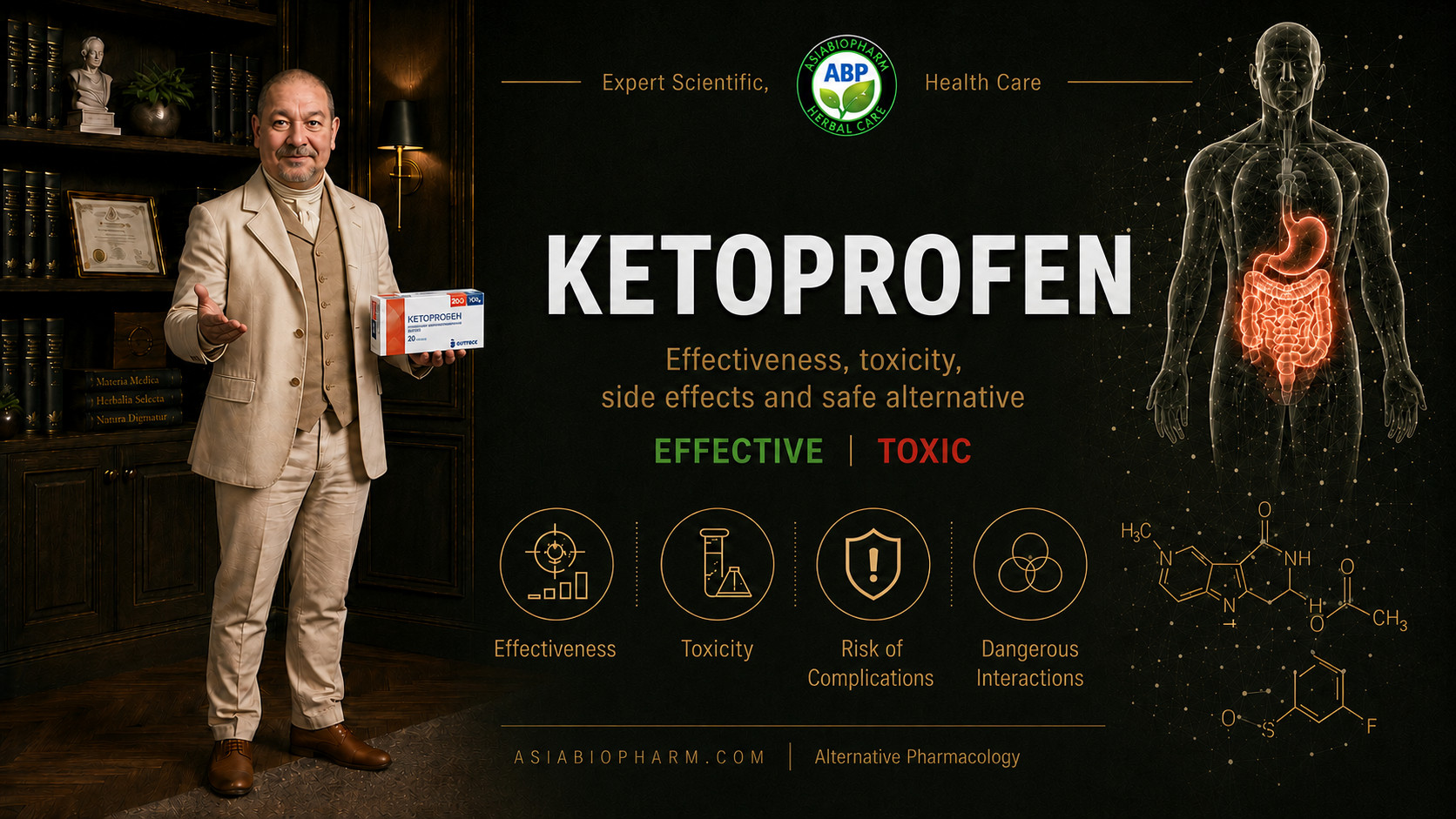
EFFECTIVE | TOXIC
What Names Ketoprofen Is Sold Under
The international nonproprietary name is ketoprofen; the Latin spelling is Ketoprofen. Pharmaceutical formulations may contain ketoprofen, ketoprofen lysine salt, or ketoprofen lysinate. The drug is available as immediate- or prolonged-release tablets and capsules, solutions for intramuscular and intravenous administration, rectal suppositories, gels, creams, aerosols, patches, and solutions for topical use. Common brand names include Ketonal, Ketonal Duo, Ketonal Uno, Fastum Gel, Bystrumgel, Artrosilene, OKI, Flexen, Flamax, Artrum, Ketoprofen-Vertex, and other regional products. Formulations containing ketoprofen lysine salt contain the same pharmacologically active ketoprofen, so they should not be combined with regular ketoprofen without proper control. Dexketoprofen is a separate active substance — the S-enantiomer of ketoprofen — but its simultaneous use also results in pharmacological duplication of NSAID therapy and increases toxicity. There are relatively few common fixed-dose combination products containing ketoprofen, but patients may unknowingly duplicate treatment by using capsules, injections, suppositories, gel, or patches under different brand names at the same time.
Why Ketoprofen Is Considered Harmless and Where the Real Risk Begins
Ketoprofen rapidly reduces pain and inflammation, so it is often perceived as an ordinary painkiller that can be taken again whenever symptoms flare up. The real problem begins when the disappearance of pain is mistaken for evidence that the drug is safe. Ketoprofen inhibits cyclooxygenase COX-1 and COX-2 and reduces prostaglandin production not only in inflamed tissue but also in the gastric mucosa, kidneys, vascular system, and platelets. This is why its analgesic effect is accompanied by reduced gastroduodenal protection, impaired renal blood flow, fluid retention, and changes in hemostasis. Ulceration, bleeding, or acute kidney injury may occur without a prolonged preceding history and without pronounced warning symptoms. Additional risk arises from combining tablets with injections or gel, taking other NSAIDs, alcohol or anticoagulants, and continuing treatment after the original indication has resolved.
Side Effects After the First Dose and a Short Course
Common early reactions include dyspepsia, pain or burning in the epigastric region, nausea, diarrhea, constipation, headache, dizziness, drowsiness, and peripheral edema. However, clinically significant injury is not limited to unpleasant stomach symptoms. Renal filtration may decrease within the first hours or days, particularly in the presence of dehydration, fever, diarrhea, diuretic use, heart failure, or pre-existing kidney disease. In sensitive patients, the first dose may cause bronchospasm, urticaria, angioedema, or an anaphylactoid reaction. Gastrointestinal bleeding, ulcer perforation, and severe skin reactions, including Stevens–Johnson syndrome and toxic epidermal necrolysis, are less common but may develop without a preceding mild rash or prolonged abdominal pain.
When gel is used, an additional specific risk is photoallergy. Ultraviolet exposure may cause severe dermatitis, blistering, swelling, and a widespread reaction not only during treatment but also for two weeks after it has been discontinued. Therefore, treated skin must not be exposed to sunlight or tanning beds. The gel must not be applied to damaged skin, eczema, infected areas, or under an occlusive dressing. Despite substantially lower systemic exposure, a topical formulation is not pharmacologically neutral: exacerbation of renal failure, gastrointestinal complications, and systemic hypersensitivity reactions have been reported.
Consequences of Long-Term and Repeated Use
With repeated courses, the most clinically significant risks are chronic erosive and ulcerative injury to the stomach and intestines, occult blood loss, iron-deficiency anemia, reduced kidney function, sodium and fluid retention, increased blood pressure, and decompensation of heart failure. The absence of stomach pain does not exclude injury: serious bleeding or perforation may develop without characteristic symptoms. Prolonged suppression of renal prostaglandins is especially dangerous in patients with reduced circulating blood volume, advanced age, heart failure, cirrhosis, or during treatment with diuretics or ACE inhibitors. After the drug is discontinued, a functional reduction in renal filtration is often reversible, but severe or recurrent acute kidney injury may accelerate the development of chronic kidney disease.
Ketoprofen may cause a transient increase in aminotransferase levels; clinically apparent drug-induced liver injury is rare but may occasionally develop within just a few days after treatment begins. Both cholestatic and hepatocellular patterns of injury are possible. Drug accumulation increases when kidney function is impaired, while cirrhosis and hypoalbuminemia increase the free biologically active fraction of ketoprofen. Tolerance and drug dependence are not characteristic of ketoprofen, and there is no specific withdrawal syndrome. However, frequent use may become psychologically reinforced because the drug temporarily suppresses pain without eliminating the underlying cause of osteoarthritis, injury, nerve compression, infection, or another disease.
Contraindications and High-Risk Groups
Ketoprofen is contraindicated in active gastric or duodenal ulceration, as well as in patients with a history of gastrointestinal bleeding, perforation, or ulcerative injury associated with NSAID use. Repeated exposure in these situations may cause recurrent bleeding, sometimes without preceding pain. The drug must not be used in patients with established hypersensitivity to ketoprofen, aspirin, or other NSAIDs, particularly if previous reactions included bronchospasm, rhinitis, urticaria, swelling, or anaphylaxis. In aspirin-exacerbated respiratory disease, a cross-reaction may result in severe, potentially fatal bronchospasm.
The risk is especially high in severe renal impairment, decompensated heart failure, severe liver disease, hypoalbuminemia, uncontrolled arterial hypertension, disorders of hemostasis, and active bleeding. Older patients are more likely to have an unrecognized reduction in clearance even when creatinine appears acceptable, and they experience bleeding and renal complications substantially more often. In dehydration, vomiting, diarrhea, fever, or restricted fluid intake, ketoprofen may rapidly impair renal perfusion. During the third trimester of pregnancy, the drug is contraindicated because of the risk of premature closure of the ductus arteriosus, fetal renal toxicity, oligohydramnios, prolonged bleeding, and delayed labor. During the first and second trimesters, it should be used only when strictly justified, at the lowest dose and for the shortest possible course.
Dangerous Drug Interactions
Combining ketoprofen with other NSAIDs, including ibuprofen, diclofenac, naproxen, nimesulide, meloxicam, celecoxib, ketorolac, and dexketoprofen, is contraindicated or strongly discouraged. Simultaneous use does not provide a proportional increase in analgesic effect but increases the likelihood of ulceration, bleeding, and kidney injury. Systemic ketoprofen should also not be duplicated using different formulations of the same drug — for example, capsules, injections, and suppositories. Topical gel results in lower systemic exposure, but when applied over large areas, used for prolonged periods, or combined with oral NSAIDs, its contribution can no longer be regarded as negligible.
Combination with warfarin, direct oral anticoagulants, heparins, clopidogrel, and other antiplatelet agents increases the risk of clinically significant bleeding. Glucocorticoids and selective serotonin reuptake inhibitors further increase the risk of ulceration and gastrointestinal blood loss. Concomitant use with ACE inhibitors, angiotensin receptor blockers, and diuretics may reduce antihypertensive and diuretic effects and create the classic “triple whammy” combination affecting the kidneys. Combinations with lithium require monitoring because its concentration may increase; methotrexate requires monitoring because reduced renal elimination may increase hematological toxicity; and cyclosporine or tacrolimus require monitoring because of additive nephrotoxicity.
Alcohol does not form a specific chemical complex with ketoprofen, but it damages the gastric mucosa, impairs dose control, aggravates dehydration, and increases the likelihood of bleeding. Therefore, this combination should be considered highly undesirable. Herbal products and supplements with pronounced antiplatelet activity may also increase bleeding tendency, especially when taken together with anticoagulants, although the degree of risk depends on the composition and dose of the specific product.
Patient Mistakes That Turn Pain Relief Into Toxic Treatment
The most common mistake is increasing the dose when the effect does not occur quickly enough. Ketoprofen has an analgesic ceiling: in clinical studies, doses above 50–75 mg per single administration generally did not provide meaningful additional pain relief, while increasing the daily dose was associated with a higher frequency of gastrointestinal adverse reactions and headache. Therefore, the logic that “two capsules will work twice as strongly” is pharmacologically incorrect.
The second mistake is using several formulations or brand names at the same time. A patient takes Ketonal capsules, applies Fastum Gel, receives a ketoprofen injection, and considers them different medications. The third mistake is adding another NSAID when the pain persists. The fourth is continuing treatment for weeks without assessing the cause of the pain, blood pressure, kidney function, and gastrointestinal status. Taking ketoprofen after physical exertion, during hot weather, dehydration, infection, or alcohol use additionally increases renal and gastrointestinal risk.
It is incorrect to assume that the injectable route protects the stomach: systemic suppression of prostaglandins occurs regardless of whether the drug enters the body through the stomach or through a muscle. Food may reduce dyspepsia and slow absorption, but it does not eliminate the risk of ulceration, bleeding, or kidney injury. Topical gel is also frequently misused — over a large area, under plastic film, before sun exposure, or simultaneously with tablets.
Ketoprofen Overdose and Poisoning
There is no single established dose of ketoprofen after which severe poisoning develops in every patient. Toxicity depends on age, body weight, dosage form, kidney and liver function, hydration status, concomitant medications, and alcohol use. Exceeding the recommended daily dose, shortening dosing intervals, or taking prolonged-release capsules as if they were immediate-release formulations creates a risk of accumulation. Lower doses may be particularly dangerous in older patients and in those with chronic kidney disease, hypoalbuminemia, cirrhosis, or dehydration. The official prescribing information does not recommend exceeding 300 mg per day for conventional capsules; higher doses do not provide a convincing increase in efficacy but do increase toxicity.
During the first hours, overdose usually presents with nausea, vomiting, epigastric pain, drowsiness, dizziness, tinnitus, lethargy, or confusion. Gastrointestinal bleeding, arterial hypotension, bronchospasm, seizures, metabolic acidosis, and respiratory depression may occur. During the following hours or day, acute kidney injury may develop with reduced urine output and increased creatinine. Severe poisoning is particularly likely when ketoprofen is combined with alcohol, sedatives, anticoagulants, or other NSAIDs.
There is no specific antidote. Treatment is supportive: monitoring of breathing, hemodynamics, consciousness, electrolytes, acid–base status, hemoglobin, and liver and kidney function. Activated charcoal may be considered by medical professionals after a recent potentially toxic ingestion, but attempting gastric lavage or inducing vomiting without medical supervision is dangerous. Because ketoprofen is highly bound to plasma proteins, hemodialysis generally does not provide effective drug removal, although it may be required in severe renal failure for general clinical indications. In cases of marked drowsiness, repeated vomiting, blood in vomit or stool, shortness of breath, seizures, fainting, or reduced urine output, waiting for symptoms to resolve at home is unacceptable.
Safe Integrative Alternative to Ketoprofen
For chronic joint, muscle, lower-back, and tendon-ligament pain, the main comprehensive alternative may be the Sahastara analgesic mixture. This multi-component formula is intended to reduce inflammatory pain, stiffness, swelling, and restricted movement associated with osteoarthritis, myalgia, lumbalgia, tendinopathy, bursitis, and overuse injuries of soft tissues.
Sahastara acts on several components of the pain and inflammatory cascade at the same time. Components of the formula may suppress NF-κB-dependent expression of pro-inflammatory mediators, prostaglandin and nitric oxide production, and may also affect peripheral mechanisms of nociception. Piperine and related compounds interact with TRPV1- and TRPA1-dependent sensory pathways, while plumbagin and polyphenolic components are involved in suppressing cytokine-mediated inflammation. In a double-blind randomized study, Sahastara was compared with diclofenac in patients with knee osteoarthritis; pain, walking speed, and laboratory safety parameters were assessed over 28 days. This makes Sahastara not only a traditional formula with a mechanistic rationale, but also a product for which comparative clinical data are available.
In terms of speed of action, Sahastara is not an exact equivalent of a single dose of ketoprofen. Ketoprofen can suppress severe acute pain more rapidly, whereas the herbal formula is better suited for course-based treatment of chronic or recurrent musculoskeletal pain. Its advantage is the absence of the direct suppression of protective prostaglandin synthesis in the gastric mucosa and kidneys that is characteristic of nonselective NSAIDs. Nevertheless, its multi-component composition requires individual assessment during pregnancy, in liver disease, during anticoagulant therapy, and in pronounced polypharmacy. Piperine may alter the intestinal absorption and metabolism of certain medicinal substances.
In chronic osteoarthritis, load-related pain, and when long-term support of the ligament and bone system is required, Sahastara may be supplemented with a combination of Withania somnifera + Cissus quadrangularis. Withania somnifera affects NF-κB, COX-2, PGE₂, TNF-α, IL-1β, and mechanisms of joint-tissue injury associated with oxidative stress. In a randomized, double-blind, placebo-controlled study in patients with knee pain, an aqueous Withania extract reduced pain, stiffness, swelling, and functional limitations; a more pronounced effect was observed at the higher studied dose, and the first significant changes were recorded after approximately four weeks.
Cissus quadrangularis complements this regimen primarily in cases of tendon and ligament overload, post-traumatic recovery, and when support of bone and cartilage metabolism is required. It should not be presented as a rapid stand-alone analgesic equivalent to ketoprofen. In this combination, Withania primarily performs a systemic anti-inflammatory function, while Cissus is used as a restorative and structural-metabolic component.
For limited localized pain, bruising, sprains, superficial tendinopathy, myalgia, or periarticular inflammation, topical mountain arnica — Arnica montana may be used. Arnica sesquiterpene lactones, particularly helenalin derivatives, suppress NF-κB-dependent transcription of pro-inflammatory mediators. The topical formulation allows direct treatment of the painful area while reducing systemic drug exposure. Arnica should be applied only to intact skin. Irritation and allergic contact dermatitis may occur, particularly in patients sensitive to plants of the Asteraceae family. Conventional concentrated arnica preparations must not be taken orally because of their potential toxicity.
In acute systemic inflammation accompanied by fever, body aches, and inflammatory pain, a separate situational option may be the “5 Roots” anti-inflammatory mixture. It contains the roots of Harrisonia perforata, Capparis micracantha, Clerodendrum petasites, Ficus racemosa, and Tiliacora triandra. This formula is more consistent with an acute inflammatory and febrile phenotype, whereas Sahastara is preferable for chronic joint, muscle, and tendon-ligament pain.
Thus, complete replacement of ketoprofen is most realistic in mild or moderate chronic musculoskeletal pain, stable osteoarthritis, recurrent load-related pain, and localized soft-tissue inflammation. Sahastara serves as the main systemic alternative, the combination of Withania somnifera and Cissus quadrangularis is used for course-based anti-inflammatory and restorative support, and Arnica montana is used topically for a localized focus of pain.
In severe acute pain, major trauma, pronounced synovitis, an acute gout attack, postoperative conditions, progressive neurological deficit, fever of unknown origin, or suspected infection, herbal preparations should not mask the condition or delay diagnosis. In such situations, a short course of ketoprofen or another rapidly acting agent may be justified after contraindications have been assessed.
Actual Effectiveness of Ketoprofen and Prescribing Errors
Ketoprofen is genuinely effective for acute inflammatory pain, osteoarthritis, rheumatoid arthritis, primary dysmenorrhea, tendinitis, bursitis, and certain postoperative pain syndromes. It reduces prostaglandin synthesis by inhibiting COX-1 and COX-2, thereby decreasing pain, inflammatory swelling, localized temperature elevation, and stiffness.
Conventional oral and injectable formulations act faster than course-based herbal preparations. Topical ketoprofen may be effective for superficial musculoskeletal pain, although its use is limited by the risk of contact photosensitization. Treated skin must be protected from sunlight during use and for another two weeks after discontinuation.
Ketoprofen does not restore articular cartilage, correct joint biomechanics, eliminate ligament instability, relieve nerve compression, eradicate an infectious process, or address an autoimmune cause of disease. It suppresses symptoms only for the duration of its pharmacological action. The return of pain after discontinuation does not mean that the “body has become accustomed to the drug”; it means that the underlying cause remains.
A common prescribing error is the use of systemic ketoprofen without identifying the source of pain. Abdominal, renal, vascular, infectious, or neuropathic pain may temporarily decrease while the underlying disease continues to progress. Repeated prolonged courses should not be prescribed without assessing kidney function, blood pressure, hemoglobin, gastrointestinal history, and concomitant medications.
Another dangerous error is combining ketoprofen with diclofenac, ibuprofen, naproxen, ketorolac, dexketoprofen, or another NSAID. The increase in analgesic effect is usually considerably smaller than the increase in the risk of gastrointestinal bleeding and kidney injury. The injectable formulation does not protect the stomach because toxicity results not only from direct contact of a tablet with the gastric mucosa but also from systemic suppression of prostaglandins.
Safety Monitoring During Treatment
For a single dose of ketoprofen in a patient without risk factors, special laboratory monitoring is generally not required. If the drug is taken for several days, used in repeated courses, or prescribed to an older patient, blood pressure, development of edema, urine output, dyspepsia, abdominal pain, weakness, and signs of blood loss should be monitored.
Before a prolonged systemic course, it is advisable to obtain a complete blood count, creatinine with estimated glomerular filtration rate, urea, potassium, ALT, and AST. In patients with chronic kidney disease, heart failure, arterial hypertension, diabetes mellitus, liver disease, or concomitant use of diuretics, ACE inhibitors, or angiotensin receptor blockers, repeat monitoring is preferably performed 1–2 weeks after treatment begins.
An increase in creatinine, a decrease in estimated GFR, hyperkalemia, reduced hemoglobin, elevated aminotransferases, worsening edema, or deterioration of blood-pressure control requires reassessment of therapy. Official prescribing information recommends using the lowest effective dose for the shortest period necessary.
Ketoprofen must be discontinued immediately if black tarry stools, vomiting of blood or “coffee-ground” material, sudden severe abdominal pain, marked weakness, fainting, a sharp decrease in urine output, worsening shortness of breath, chest pain, swelling of the face or larynx, bronchospasm, jaundice, a widespread rash, blistering, or skin detachment occurs. Waiting is particularly dangerous in cases of gastrointestinal bleeding, ulcer perforation, anaphylaxis, or acute kidney injury because early symptoms may be nonspecific.
When topical ketoprofen is used, the condition of the skin must be monitored. Erythema, itching, weeping, blistering, or spread of the reaction beyond the application site requires immediate discontinuation. The treated area must not be exposed to sunlight or tanning beds.
How to Stop Ketoprofen Correctly
Ketoprofen does not cause physiological dependence and does not produce a classic withdrawal syndrome. Gradual dose reduction is generally unnecessary. The drug can be stopped immediately once the required course has been completed or if an adverse reaction occurs.
A missed dose must not be compensated for by taking a double dose. After prolonged unsupervised use, there is no need to “finish the pack” or gradually reduce the dose out of fear of withdrawal. The cause of persistent pain should be established, and it should be determined whether further anti-inflammatory treatment is necessary.
Pain, stiffness, and swelling may return after ketoprofen is discontinued. This is not drug withdrawal but the recurrence of symptoms of the disease that ketoprofen had temporarily suppressed. A sharp increase in pain after discontinuation requires reassessment, particularly if fever, joint redness, marked swelling, sensory disturbance, muscle weakness, or inability to bear weight on the limb develops.
When switching to Sahastara, the combination of Withania somnifera and Cissus quadrangularis, or topical Arnica montana, a special pharmacokinetic washout period is generally not required. However, several anti-inflammatory agents should not be combined without proper supervision. In patients taking anticoagulants, antiplatelet agents, antihypertensive drugs, glucose-lowering medications, or antiarrhythmic agents, the composition of herbal therapy must be assessed individually.
A Rational Approach to Treating Pain and Inflammation
Ketoprofen is justified when it is necessary to reduce severe acute inflammatory pain, swelling, and restricted movement quickly and predictably. Rational use means a specific indication, the lowest effective dose, a short course, and prior assessment of gastrointestinal, renal, cardiovascular, and drug-interaction risks.
For chronic joint, muscle, lower-back, and tendon-ligament pain, the main integrative alternative may be the Sahastara analgesic mixture. It has a multi-target anti-inflammatory profile and clinical data in knee osteoarthritis.
The combination of Withania somnifera + Cissus quadrangularis is appropriate for prolonged inflammation, load-related pain, delayed ligament recovery, and when support of bone and cartilage tissue is required. For a localized painful area, topical Arnica montana may be used. In a febrile acute systemic inflammatory phenotype, the “5 Roots” anti-inflammatory mixture remains a separate option.
The goal of integrative substitution is not the formal rejection of an effective NSAID, but rather a reduction in the number of repeated courses and in the risks of ulcerative injury, bleeding, renal dysfunction, fluid retention, and dangerous drug interactions. In severe or unstable conditions, ketoprofen may temporarily remain necessary. After stabilization, preference may be given to course-based herbal therapy, local topical agents, and correction of the underlying cause of the pain syndrome.
If you have any questions about the topic of this article, you can ask a clinical pharmacologist in the comments or schedule an appointment using this link: https://asiabiopharm.com/konsultaciii/
0 comments