
Carbamazepine — Side Effects, Contraindications, Overdose, and Consequences of Withdrawal
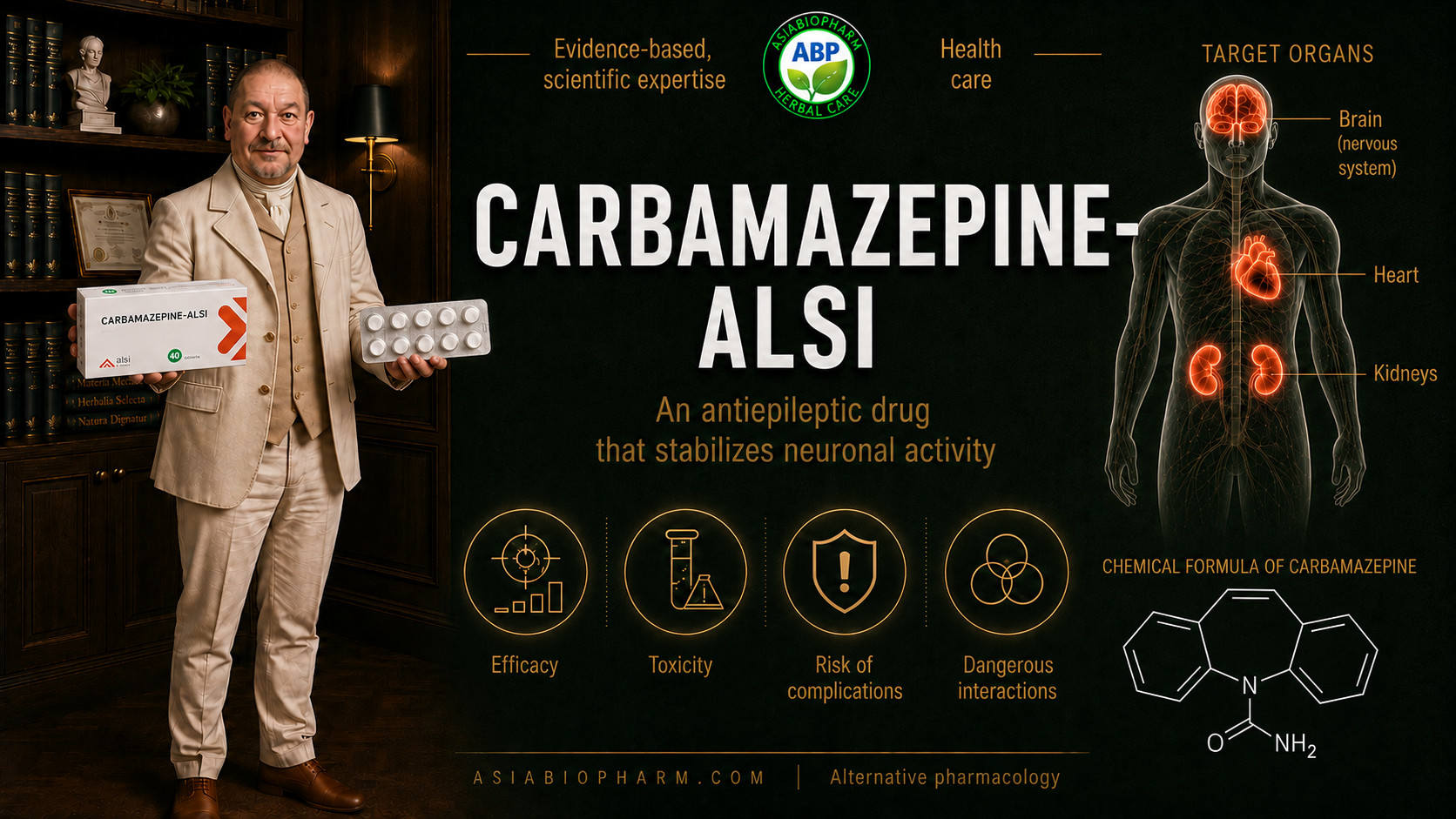
EFFECTIVE | TOXIC
Names Under Which Carbamazepine Is Found
The international nonproprietary name of the drug is carbamazepine; the Latin spelling is Carbamazepine. The chemical name of the active substance is 5H-dibenz[b,f]azepine-5-carboxamide. Drug instructions, medical records, and search queries may use the names carbamazepine, Carbamazepine, Carbamazepinum, and the abbreviation CBZ. Dosage forms include conventional and chewable tablets, extended-release tablets and capsules, as well as an oral suspension. The best-known brand names include Tegretol, Tegretol CR or XR, Finlepsin, Finlepsin Retard, Carbatol, Carbatol CR, Carbatrol, Epitol, Equetro, Timonil, and Teril. Immediate-release and extended-release formulations contain the same active substance but differ in pharmacokinetics, so they must not be arbitrarily substituted on an equivalent dosing-frequency basis. Widely used standard fixed-dose combinations of carbamazepine with another active substance are virtually nonexistent; however, unintentional duplication is possible when different brands or immediate-release and extended-release formulations are used simultaneously.
Why Carbamazepine Is Considered Harmless and Where the Real Risk Begins
Carbamazepine has been prescribed for decades for epilepsy, trigeminal neuralgia, and certain psychiatric disorders, so it is often perceived as an old, familiar, and predictable drug. In reality, it has a narrow therapeutic range, complex autoinduction of metabolism, and a large number of clinically significant interactions. The first signs of toxicity — drowsiness, dizziness, unsteadiness, double vision, nausea, and psychomotor slowing — can easily be mistaken for fatigue, manifestations of the underlying disease, or the effects of other medications. At the same time, carbamazepine can cause potentially fatal skin reactions, bone marrow suppression, hyponatremia, liver injury, cardiac conduction disturbances, and systemic drug hypersensitivity. Alcohol enhances its sedative effect, CYP3A4 inhibitors can sharply increase carbamazepine concentrations, and switching independently between suspension, conventional tablets, and extended-release formulations changes peak exposure. The absence of complications after the first doses does not mean that the patient is protected from toxicity during the following weeks and months.
Side Effects During the First Hours, Days, and Weeks of Treatment
The most common early reactions to carbamazepine involve the central nervous system: drowsiness, dizziness, psychomotor slowing, impaired coordination, nystagmus, double or blurred vision, headache, weakness, and gait instability. They are particularly pronounced at the beginning of treatment, when the dose is increased rapidly, at high peak concentrations, after switching to the suspension, or when carbamazepine is combined with other sedative agents. Gastrointestinal effects may include nausea, vomiting, abdominal pain, constipation, or diarrhea. Clinically significant early complications include decreased sodium levels due to the syndrome of inappropriate antidiuretic hormone secretion, leukopenia, thrombocytopenia, increased liver enzyme activity, cardiac conduction disturbances, angioedema, and drug-induced hepatitis. Hyponatremia may present with headache, confusion, marked weakness, memory impairment, falls, and an increased frequency of seizures — symptoms that may mistakenly be interpreted as worsening of the neurological disease.
The most dangerous early reactions are Stevens–Johnson syndrome, toxic epidermal necrolysis, and DRESS syndrome. They may begin with fever, sore throat, weakness, enlarged lymph nodes, facial swelling, mucosal involvement, or a seemingly ordinary rash. In DRESS, skin manifestations may be accompanied by eosinophilia, hepatitis, nephritis, myocarditis, and hematological abnormalities; in some cases, fever and lymphadenopathy appear before the rash. More than 90% of cases of Stevens–Johnson syndrome and toxic epidermal necrolysis develop during the first months of treatment. The risk is particularly high in carriers of HLA-B15:02, which is common in several Asian populations, including people from Thailand, Malaysia, Hong Kong, and certain regions of the Philippines. HLA-A31:01 is associated with a broader spectrum of hypersensitivity reactions, including maculopapular rash, DRESS, and SJS/TEN. The appearance of a rash during carbamazepine therapy requires immediate evaluation, and if a severe cutaneous reaction is suspected, the drug must not be reintroduced.
Side Effects With Long-Term and Repeated Use
With prolonged treatment, carbamazepine toxicity is not limited to drowsiness and impaired coordination. Chronic or recurrent hyponatremia, persistent leukopenia, thrombocytopenia, bone marrow suppression, and rare cases of agranulocytosis, pancytopenia, and aplastic anemia may occur. The absolute risk of agranulocytosis and aplastic anemia remains low but is approximately five to eight times higher than in the general population. Liver injury ranges from asymptomatic elevations of liver enzymes to hepatitis, cholestasis, hepatic failure, and the extremely rare vanishing bile duct syndrome; in some cases, the condition continues to progress even after the drug is discontinued.
The enzyme-inducing effect of carbamazepine may reduce thyroid hormone concentrations, contribute to impaired vitamin D metabolism, lower calcium levels, reduce bone mineral density, and promote the development of osteoporosis. Long-term treatment has also been associated with changes in the lipid profile, sexual dysfunction, impaired spermatogenesis, fluid retention, and chronic cognitive complaints — psychomotor slowing, fatigue, reduced concentration, and memory impairment. Carbamazepine does not produce classic narcotic dependence and has no established abuse potential, but the body adapts to continuous anticonvulsant exposure. Therefore, abrupt discontinuation may cause recurrence of neuralgic pain, worsening of bipolar disorder, increased seizure frequency, and status epilepticus. The absence of pronounced reactions during the first weeks does not rule out cumulative metabolic, hematological, hepatic, and skeletal toxicity.
Contraindications and High-Risk Groups
Carbamazepine is contraindicated in patients with a history of bone marrow suppression, confirmed hypersensitivity to the drug itself, and marked sensitivity to structurally related tricyclic compounds. It should not be prescribed concomitantly with monoamine oxidase inhibitors; an interval of at least 14 days is required between discontinuation of an MAO inhibitor and initiation of carbamazepine. Concomitant use with nefazodone is also contraindicated because carbamazepine markedly lowers the concentrations of nefazodone and its active metabolite, effectively eliminating its antidepressant effect. The drug should also be avoided in hepatic porphyria because it can precipitate an acute attack.
Patients carrying HLA-B15:02 and HLA-A31:01 are at particularly high risk of severe cutaneous reactions. Before treatment is started, people of Asian ancestry from populations in which HLA-B*15:02 occurs should undergo genotyping. A positive result is a strong reason to choose another drug unless the expected benefit outweighs the risk of potentially fatal SJS/TEN. Patients with liver disease, baseline leukopenia or thrombocytopenia, a history of drug-induced hematological reactions, atrioventricular conduction abnormalities, elevated intraocular pressure, and kidney disease require closer monitoring.
Older patients and people taking diuretics are particularly susceptible to hyponatremia and falls. During pregnancy, carbamazepine is associated with an increased risk of congenital malformations, including neural tube defects, while polytherapy with anticonvulsants increases teratogenic burden compared with monotherapy. However, abrupt withdrawal in epilepsy is also dangerous for both the mother and the fetus, so decisions should be based on a risk–benefit assessment and treatment should not be stopped independently. In patients with absence seizures, carbamazepine does not provide adequate control, and in some generalized epilepsy syndromes it may worsen the course of the disease.
Dangerous Drug Interactions
Carbamazepine is a substrate of CYP3A4 and at the same time a potent inducer of CYP3A4, CYP1A2, CYP2B6, CYP2C9, and CYP2C19. Therefore, it can both become the target of drug interactions and reduce the effectiveness of dozens of other medications. Clarithromycin, erythromycin, azole antifungal agents, verapamil, diltiazem, fluoxetine, fluvoxamine, ciprofloxacin, isoniazid, omeprazole, certain antiretroviral drugs, and grapefruit juice can increase carbamazepine concentrations. The result may be marked drowsiness, diplopia, nystagmus, ataxia, confusion, vomiting, conduction disturbances, and coma. Such combinations require either avoidance or monitoring of carbamazepine concentrations with dose adjustment.
Rifampicin, phenytoin, phenobarbital, primidone, and other enzyme inducers accelerate carbamazepine metabolism and may reduce its anticonvulsant efficacy. Valproic acid can increase the concentration of the active metabolite carbamazepine-10,11-epoxide, so neurotoxicity may occur even when the level of parent carbamazepine appears relatively acceptable. Combination with lithium increases the risk of neurotoxic reactions, including tremor, ataxia, confusion, and impaired coordination. Concomitant use with isoniazid increases the likelihood of hepatotoxicity. Alcohol, opioids, benzodiazepines, sedating antihistamines, hypnotics, and other central nervous system depressants increase psychomotor slowing, impaired coordination, and the risk of respiratory complications.
Carbamazepine itself accelerates the metabolism of hormonal contraceptives, warfarin, glucocorticosteroids, doxycycline, levothyroxine, methadone, and many antidepressants, antipsychotics, immunosuppressants, anticancer drugs, antivirals, and anticonvulsants. Practical consequences include unintended pregnancy, breakthrough bleeding, reduced anticoagulant effect, transplant rejection, recurrence of psychotic or depressive symptoms, and inadequate control of pain, seizures, or infection. After carbamazepine is discontinued, enzyme induction gradually weakens and concentrations of concomitant medications may rise, so the risk of interactions persists not only when treatment is started but also when it is stopped. Nicotine and caffeine are not among the major clinically significant interactions of carbamazepine, but stimulants do not eliminate drug-induced drowsiness and do not make driving safe. Herbal products should not be considered neutral either: St. John’s wort can increase enzyme induction and lower drug concentrations, while sedative herbs and cannabinoids may enhance central nervous system depression.
Patient Errors That Turn Treatment Into a Toxicology Experiment
One of the most dangerous mistakes is self-prescribing carbamazepine for any facial, dental, head, or “neuralgic” pain. The drug is effective for true trigeminal neuralgia but is not a universal analgesic. Suppressing pain without establishing a diagnosis can delay detection of dental inflammation, a tumor, multiple sclerosis, vascular disease, or another cause of facial pain. Increasing the dose when there is no immediate effect is no less dangerous: because of complex pharmacokinetics and autoinduction, the relationship between the dose taken and the resulting concentration is nonlinear, and a newly added CYP3A4 inhibitor can suddenly turn a previously tolerated regimen into a toxic one.
A missed dose must not be compensated for by taking a double dose, shortening the intervals between tablets, or using Tegretol, Finlepsin, and another generic simultaneously without recognizing that they contain the same active substance. Independently replacing an extended-release tablet with a suspension or an immediate-release tablet changes the maximum concentration: the same number of milligrams does not guarantee the same exposure profile. Continuing treatment despite rash, fever, mouth ulcers, sore throat, unexplained bruising, jaundice, confusion, or severe unsteadiness is a mistake. Trying to “wait out the adjustment” when these symptoms occur may end in toxic epidermal necrolysis, agranulocytosis, DRESS syndrome, severe hyponatremia, or hepatic failure.
Another mistake is combining carbamazepine with alcohol, macrolide antibiotics, azole antifungals, or grapefruit juice without checking for interactions. Long-term treatment for years without monitoring a complete blood count, sodium, liver and kidney function, and clinical signs of bone toxicity is also dangerous and unjustified. Finally, carbamazepine must not be stopped abruptly because of drowsiness, planned pregnancy, temporary absence of pain, or a prolonged seizure-free period. In epilepsy, such withdrawal may provoke an increase in seizure frequency and status epilepticus; in neuralgia and bipolar disorder, symptoms may return rapidly.
Carbamazepine Overdose and Poisoning
Toxic effects may occur after a single dose exceeding 20 mg/kg, although the severity of poisoning depends on age, chronic or occasional use, dosage form, concomitant medications, and individual metabolism. The therapeutic concentration of total carbamazepine is usually 4–12 mg/L, toxic manifestations are more likely at concentrations above 20 mg/L, and severe neurotoxicity and cardiotoxicity are often observed at levels around 40 mg/L or higher. These thresholds are not absolute: the active epoxide metabolite, mixed poisoning, and prolonged-release formulations can cause severe toxicity even when the measured concentration is less striking. The official prescribing information describes fatal outcomes in adults after 3.2 g and in children after 1.6–4 g, so the common assumption that “tens of grams” are necessary for fatal poisoning is incorrect.
The first symptoms usually appear within one to three hours, but with extended-release formulations absorption may be substantially delayed and the condition may worsen in waves. Early signs include drowsiness, dizziness, nystagmus, dilated pupils, vomiting, slurred speech, pronounced unsteadiness, and psychomotor agitation. This may be followed by profound impairment of consciousness, coma, tremor, muscle twitching, abnormal movements, seizures, respiratory depression, tachycardia, fluctuations in blood pressure, and intraventricular or atrioventricular conduction disturbances. Urinary retention, oliguria or anuria, aspiration of vomit, hypoxia, shock, and secondary brain injury may occur. Seizures may be especially pronounced in young children. Alcohol, tricyclic antidepressants, barbiturates, phenytoin, and other psychoactive substances can alter and worsen the clinical picture of poisoning.
Hidden overdose does not occur only after intentional ingestion of a large number of tablets. It may result from duplicate use of different brand names, switching from tablets to suspension without recalculating the dosing schedule, repeating a dose after forgetting that it was already taken, dosing errors in a child, or adding clarithromycin, verapamil, an azole antimycotic, or grapefruit juice. Poisoning may also develop at an ordinary dose in the setting of acute liver disease, a drug interaction, or accumulation of the active epoxide metabolite. Carbamazepine absorption becomes delayed and unpredictable in overdose, so apparent improvement during the first hours does not rule out subsequent depression of consciousness and respiration.
There is no specific antidote. The patient requires urgent hospitalization, serial measurement of carbamazepine concentrations, ECG monitoring, and monitoring of respiration, blood pressure, temperature, electrolytes, kidney function, and level of consciousness. Activated charcoal, including repeated doses, may be used by toxicologists in significant poisoning because it reduces ongoing absorption and accelerates elimination, but self-administration is dangerous because of the risk of aspiration if drowsiness develops rapidly. In refractory seizures, life-threatening arrhythmias, prolonged coma, respiratory failure, or persistent severe toxicity, extracorporeal removal of the drug may be considered, primarily intermittent hemodialysis. Waiting for severe symptoms is unsafe: by the time coma, aspiration, or conduction abnormalities develop, treatment becomes resuscitative rather than preventive.
Integrative Alternative to Carbamazepine
An integrative alternative should not be understood as a single universal drug, but rather as a differentiated regimen depending on the indication for which carbamazepine was prescribed. The main experimental neurotropic component may be Amanita muscaria, which contains muscimol, an agonist of ionotropic GABA-A receptors. Its pharmacological rationale is based on enhancement of inhibitory neurotransmission and the potential reduction of neuronal hyperexcitability. However, this is not a proven equivalent of carbamazepine and is not a product for home microdosing. Its use is acceptable only in a specialized clinic, with standardized raw material, individualized dosing, and monitoring of consciousness, coordination, respiration, seizure frequency, ECG, electrolytes, and liver function. Independent use of Amanita muscaria, as well as its combination with alcohol, benzodiazepines, hypnotics, antidepressants, antipsychotics, opioids, and other agents that affect the central nervous system, is unacceptable. Muscimol is indeed a selective GABA receptor agonist, but whole Amanita muscaria material also contains ibotenic acid and, if used improperly, can cause excitation, ataxia, impaired consciousness, and other toxic reactions. Therefore, only controlled experimental clinical use can be considered, not established antiepileptic therapy.
The herbal basis of the integrative regimen is Paeonia officinalis. Its hydroalcoholic extract has been studied as an adjunct to standard antiepileptic drugs in children with drug-resistant epilepsy. A small open-label study reported a reduction in seizure frequency, but the lack of blinding, absence of a control group, and small sample size do not allow Paeonia officinalis to be regarded as an independently proven replacement for carbamazepine. It may be used as a component of adjunctive therapy, particularly when the disease is stable and during a controlled reduction of medication burden. Paeonia anomala may be added when anxiety, sleep disturbance, and increased nervous excitability are present. Polemonium coeruleum and Passiflora edulis may provide sedative and anxiolytic support, but they do not replace an anticonvulsant drug. Pyridoxine hydrochloride has independent therapeutic significance only in pyridoxine-dependent seizures, vitamin B6 deficiency, and certain metabolic disorders. Taurine may be used as an adjunctive membrane-stabilizing and neurometabolic component.
Complete replacement of carbamazepine with an integrative regimen is possible only when the drug was prescribed without a confirmed indication: for nonspecific headache, anxiety, sleep disturbance, emotional lability, or undifferentiated facial pain. In epilepsy, classical trigeminal neuralgia, and bipolar disorder, integrative agents should initially be considered adjuncts rather than equivalents. In patients with frequent seizures, a history of status epilepticus, progressive neurological symptoms, pronounced mania, psychosis, or severe neuralgic pain, replacing carbamazepine without specialist supervision is unacceptable.
Real Effectiveness of Carbamazepine and Medical Errors
Carbamazepine is genuinely effective for focal seizures, generalized tonic-clonic seizures, and classical trigeminal neuralgia. In neuralgia, reduction of paroxysmal pain may begin within the first days of treatment, although gradual dose titration is required for a sustained effect. In epilepsy, the drug reduces the likelihood of seizures but does not eliminate the structural, genetic, metabolic, or inflammatory cause of the disease. Carbamazepine is also used as a mood stabilizer in certain forms of bipolar disorder, especially when first-line drugs are insufficiently effective or contraindicated, but its effectiveness and convenience of use are limited by complex pharmacokinetics and numerous interactions. In absence seizures, myoclonic seizures, and certain generalized epilepsy syndromes, carbamazepine may be ineffective or may worsen the course of the disease.
A common medical error is prescribing carbamazepine for any facial pain without confirming trigeminal neuralgia. The drug may temporarily reduce pain, but such relief does not prove that the diagnosis is correct. Prescribing it without a complete blood count, assessment of liver function and sodium levels, review of concomitant medications, and consideration of the patient’s ancestry is no less dangerous. In people from populations with a high prevalence of HLA-B*15:02, failure to perform genetic testing before treatment means knowingly disregarding the risk of Stevens–Johnson syndrome and toxic epidermal necrolysis. Other errors include rapid dose escalation, lack of monitoring after antibiotics or antifungal drugs are added, automatic substitution of an immediate-release formulation with an extended-release formulation, and continuation of treatment after the appearance of rash, fever, jaundice, pronounced ataxia, or blood abnormalities. A drug with potent enzyme-inducing properties does not become simple merely because it was developed a long time ago.
Safety Monitoring During Treatment
Before therapy is started, a complete blood count with differential and platelet count should be obtained, along with sodium, ALT and AST activity, bilirubin, creatinine, and estimated glomerular filtration rate. In patients of relevant ancestry, testing for HLA-B15:02 is required; HLA-A31:01 should also be considered when assessing the risk of hypersensitivity. In patients with heart disease, syncope, or conduction disturbances, a baseline ECG is advisable. During pregnancy or when pregnancy is being planned, a separate risk assessment and review of the entire anticonvulsant regimen are necessary.
A repeat complete blood count, sodium measurement, and liver tests should be performed after treatment begins and after dose increases, and then periodically according to clinical risk. Carbamazepine concentrations should be measured in cases of insufficient efficacy, signs of toxicity, pregnancy, impaired liver or kidney function, changes in dosage form, suspected nonadherence, and addition of interacting medications. The approximate therapeutic range is 4–12 mg/L, but clinical assessment is more important than an isolated laboratory value: toxicity may occur even at a formally therapeutic level, especially when carbamazepine-10,11-epoxide accumulates.
Immediate discontinuation and urgent medical evaluation are required in the presence of a widespread rash, blisters, skin detachment, mouth ulcers, eye involvement, facial swelling, difficulty breathing, fever with enlarged lymph nodes, severe sore throat, bleeding, multiple bruises, jaundice, dark urine, sudden severe weakness, confusion, worsening ataxia, repeated vomiting, fainting, rhythm disturbances, or increased seizure frequency. Waiting is especially dangerous in SJS/TEN, DRESS syndrome, agranulocytosis, severe hyponatremia, and drug-induced hepatitis: continued exposure increases immunological and toxic injury, while re-exposure after a severe reaction may result in a faster and more severe recurrence.
Proper Discontinuation of Carbamazepine
Carbamazepine must not be stopped abruptly in epilepsy. A reduction in the concentration of an anticonvulsant can lead to an increase in seizure frequency, seizure clusters, and status epilepticus. There is no universal discontinuation regimen: the rate of tapering depends on the daily dose, duration of treatment, seizure type, EEG findings, duration of remission, concomitant medications, and the reason for stopping therapy. When discontinuation is planned, the dose is reduced gradually, usually over several weeks or longer, with clinical monitoring. If another anticonvulsant is being introduced at the same time, it should first be titrated to an effective dose, and only then should carbamazepine reduction begin.
In the event of a severe cutaneous reaction, DRESS syndrome, significant bone marrow suppression, acute liver injury, or another life-threatening complication, carbamazepine should be discontinued immediately because continued exposure is more dangerous than the risks associated with gradual tapering. In such situations, seizure protection should be provided with another drug under medical supervision. In trigeminal neuralgia, discontinuation should also be gradual: abrupt withdrawal may cause a rapid recurrence of severe pain paroxysms. In bipolar disorder, relapse of mania, depression, irritability, and insomnia may occur. A missed dose must not be compensated for with a double dose; repeated missed doses create fluctuations in drug concentrations that can both reduce efficacy and increase the likelihood of adverse reactions when the full dose is subsequently resumed.
Particular attention is required after discontinuation because enzyme induction gradually weakens. Concentrations of warfarin, hormonal medications, psychotropic drugs, immunosuppressants, and other medicines whose metabolism had been accelerated by carbamazepine may gradually increase. Therefore, discontinuing carbamazepine requires review not only of its own dose but of the entire concomitant medication regimen.
A Rational Approach to Treatment
Carbamazepine is justified when a proven anticonvulsant effect, rapid suppression of typical trigeminal neuralgia attacks, or a pronounced mood-stabilizing effect is required. When prescribed for a correctly established indication, it can prevent severe seizures and substantially reduce pain. Rejecting it solely because the drug is synthetic is just as unreasonable as prescribing it for years without proper diagnosis and laboratory monitoring.
Integrative replacement may be appropriate if carbamazepine was prescribed for nonspecific symptoms, is poorly tolerated, or the toxicological burden exceeds the actual benefit. Paeonia officinalis may serve as the herbal foundation of adjunctive therapy, while Paeonia anomala, Polemonium coeruleum, Passiflora edulis, and taurine may help address anxiety, sleep disturbances, and increased nervous excitability. Amanita muscaria may be considered only as an experimental clinical component using standardized raw material and continuous monitoring; replacing carbamazepine with Amanita muscaria at home is unacceptable.
The goal of an integrative approach is not to mechanically replace one tablet with another substance, but to clarify the diagnosis, reduce polypharmacy, address the causes of neuronal hyperexcitability, and lower the long-term toxicological burden. In severe epilepsy, carbamazepine or another proven anticonvulsant remains the foundation of treatment. In stable patients, herbal and metabolic agents may be used additionally, while any decision regarding gradual replacement should be made only after assessing the risk of recurrent seizures.
If you have questions about the topic of this article, you can ask a clinical pharmacologist in the comments or book an appointment using this link
0 comments