
Acute rhinosinusitis - when a prolonged runny nose requires special attention
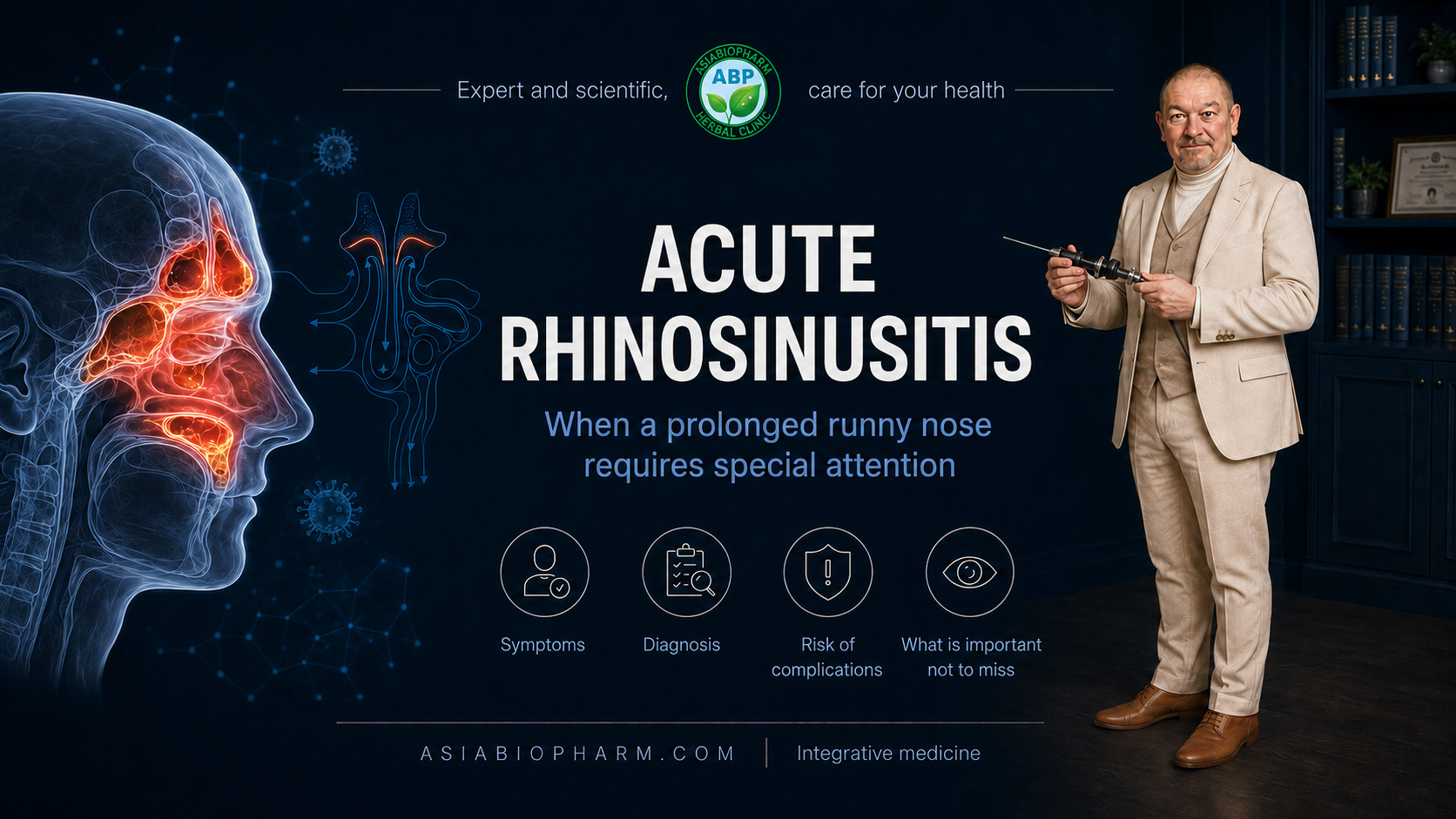
Acute rhinosinusitis is simultaneous inflammation of the mucous membranes of the nose and paranasal sinuses. The condition usually begins as a viral respiratory infection: nasal congestion develops, initially watery and later thicker discharge appears, mucus drains down the back of the throat, the sense of smell decreases, and there may be a feeling of pressure or pain in the cheeks, bridge of the nose, forehead, and around the eyes. Headache, cough, fever, fatigue, blocked ears, and bad breath may also occur. Swelling obstructs the natural sinus openings, disrupts ventilation and drainage of secretions, and causes mucus and inflammatory exudate to accumulate in the sinuses. Most cases are viral; bacterial complications develop much less frequently. In children, cough, irritability, and sleep disturbances are often more noticeable, while swelling around the eyes requires particularly careful assessment. In older adults and patients with immunodeficiency, fever and other systemic manifestations may be mild even when the underlying process is serious. The usual duration of the illness is two to three weeks, although the most pronounced symptoms generally subside sooner.
How to determine whether it is acute rhinosinusitis
The characteristic presentation includes at least two symptoms, one of which should be nasal congestion or nasal discharge or mucus draining into the throat; facial pain, pressure, and a reduced sense of smell may also be present. The color of the discharge alone does not prove that the infection is bacterial: yellow or green mucus also occurs with ordinary viral inflammation. A viral process is most likely when symptoms have been present for less than ten days and are gradually improving. A bacterial cause should be suspected when there is no improvement for ten days or longer, when symptoms worsen again after an initial period of improvement — the so-called second wave — or when the illness begins immediately with a high fever, severe one-sided pain, and purulent discharge.
The initial diagnosis is usually based on the patient's complaints, the progression of symptoms, and examination of the nasal cavity. A complete blood count, C-reactive protein testing, nasal endoscopy, and computed tomography are not required for every patient and are generally reserved for severe, atypical, complicated, or recurrent cases. Conventional radiography is poor at distinguishing viral from bacterial inflammation. Nasal itching, bouts of sneezing, and clear discharge are more characteristic of allergic rhinitis; strictly unilateral pain, an unpleasant odor, and dental tenderness require exclusion of an odontogenic process; facial pain without congestion or abnormal nasal discharge may be associated with migraine, neuralgia, or temporomandibular joint dysfunction. Foul-smelling unilateral nasal discharge in a child requires exclusion of a foreign body.
Red flags
Urgent hospitalization is required if there is swelling or redness of the eyelids and tissues around the eye, protrusion or displacement of the eyeball, double vision, pain with eye movement, restricted eye movements, or reduced vision: these signs may indicate that the infection has spread into the orbit. Severe and progressively worsening frontal headache, swelling over the frontal bone, neck stiffness, photophobia, repeated vomiting, confusion, seizures, weakness of the limbs, or other focal neurological abnormalities may indicate dangerous intracranial complications — meningitis, abscess, empyema, or venous thrombosis.
Urgent medical assessment is also required in the presence of severe shortness of breath, impaired consciousness, signs of sepsis, rapidly worsening unilateral pain, high fever with a severely impaired general condition, inability to drink, or signs of dehydration. A young child with swelling around the eye should be examined by a doctor immediately. Pregnant women, older adults, patients with diabetes mellitus, immunodeficiency, cancer, those who have undergone transplantation, or those receiving immunosuppressive therapy should seek medical care earlier because the disease may have an atypical course and the risk of complications is higher.
Initial self-care
During the first few days, adequate sleep, reduced physical activity, and avoidance of exercise are recommended if there is fever, weakness, or pronounced facial pain. It is better to sleep with the head elevated, especially when mucus is draining down the throat or there is a nighttime cough. The room should be ventilated several times a day, with the temperature maintained at approximately 18–22 °C and relative humidity at 40–60%. Tobacco smoke, aerosols, strong odors, dust, alcohol, and overheated dry air should be avoided.
If there are no restrictions due to heart or kidney disease, an adult may drink 150–200 ml of warm water every one to two hours, aiming for approximately 1.5–2 liters of fluid per day including beverages and liquid foods. Water, unsweetened compote, weak tea, and warm broth are suitable. Sugary drinks are inappropriate in disorders of carbohydrate metabolism. In heart or kidney failure, the amount of fluid should be determined by a doctor. Food should be normal and easy to tolerate: soups, vegetables, grains, eggs, fish, and fermented dairy products if well tolerated. There is no need to force an increase in food intake when appetite is reduced.
For cleansing the nose, a ready-made sterile isotonic solution or 0.9% sodium chloride solution is preferred. To prepare a solution at home, use 9 g of pure salt without additives per one liter of sterile, distilled, or previously boiled and cooled water; the solution temperature should be approximately 35–37 °C. Irrigation should be performed without strong pressure once or twice a day, after which the device should be washed and allowed to dry completely. Unboiled tap water must not be used. Irrigation should be stopped if ear pain, a nosebleed, or a sudden increase in pain occurs; if the nose is completely obstructed, during acute otitis, or after surgery, the procedure should only be performed after consultation with a doctor.
Steam inhalation over boiling water does not speed recovery and creates a risk of burns. Garlic juice, onion juice, concentrated essential oils, hydrogen peroxide, and other irritating solutions should not be placed in the nose. The face should not be intensely heated when there is a high fever or severe unilateral pain, and antibiotics should not be started independently or taken from leftover medication from a previous illness. Vasoconstrictor drops and sprays should not be used for prolonged periods because they may cause rhinitis medicamentosa and worsen nasal congestion. If there is no clear improvement after ten days, a second wave of deterioration occurs, or symptoms persist for approximately three weeks, medical examination is necessary.
Stages and possible progression of the disease
In most cases, the first stage is viral rhinosinusitis, in which symptoms gradually decrease within ten days. If symptoms worsen after the fifth day or persist for more than ten days without improvement, the process is considered post-viral. Only some of these cases are associated with bacterial infection. The likelihood of a bacterial complication is increased by severe unilateral pain, high fever, purulent discharge, elevated inflammatory markers, and renewed deterioration after a period of improvement.
Recurrent and prolonged disease may be promoted by allergic rhinitis, a deviated nasal septum, turbinate hypertrophy, adenoids, polyps, diseases of the upper jaw teeth, tobacco smoke, immunodeficiency, impaired mucociliary clearance, and unjustified antibiotic use. Possible complications include otitis media, exacerbation of bronchial asthma, progression of inflammation to a chronic form, orbital cellulitis, orbital abscess, osteomyelitis of the frontal bone, meningitis, intracranial abscess, and venous sinus thrombosis. Severe complications are rare but require immediate treatment.
Integrative treatment methods for acute rhinosinusitis
Integrative therapy for acute rhinosinusitis is aimed at reducing inflammation and swelling of the mucous membrane, restoring nasal breathing and natural drainage of the paranasal sinuses, thinning and clearing secretions, supporting the anti-infective response, and managing fever, headache, and facial pain. The choice of components depends on whether the disease is developing as an ordinary viral infection, a prolonged post-viral process, or rhinosinusitis with signs of a bacterial complication. Simultaneous use of all the products listed below is not required.
The main systemic herbal complex may be Rhinitis and Rhinosinusitis Mixture Capsules. The formula contains Indian nightshade, three-leaved chaste tree, Croton oblongifolius, Blumea balsamifera, and Eleusine indica. The combination is intended to reduce inflammation and swelling of the mucous membrane, support clearance of secretions, reduce allergic reactivity, and provide systemic antimicrobial support.
The capsules may be considered for viral and post-viral rhinosinusitis, prolonged nasal congestion, postnasal drip, and a combination of infectious inflammation with an allergic component. The product is taken orally according to the established regimen. It does not replace an antibiotic in a confirmed bacterial complication, mechanical restoration of drainage when a natural sinus opening is obstructed, or emergency treatment for orbital or intracranial complications.
The formula is contraindicated in cases of individual hypersensitivity, exacerbation of peptic ulcer disease, severe decompensated liver or kidney dysfunction, pregnancy, lactation, and in children below the age limit established by the manufacturer. Dyspepsia and allergic reactions may occur. If the additional regimen contains individual herbs with similar effects, unnecessary duplication should be avoided.
For direct local action on the nasal mucosa and the area of the natural sinus openings, ABP-153 oil infusion — the basic version without DMSO — is used. The formula is intended primarily for mucous membranes and superficial and cavity inflammatory processes. It provides local anti-inflammatory, secretolytic, antiseptic, and reparative effects.
ABP-153 may be used for catarrhal inflammation, swelling, dryness, mucosal irritation, difficult clearance of secretions, and postnasal drip. Before use, the nasal passages should be cleared of discharge. Saline solutions and water-based nasal preparations should be used before application of the oil infusion, while ABP-153 should be used in a separate time window.
The oil formulation should not be drawn deeply into the nasopharynx. Particular caution is required in cases of impaired swallowing, severe gastroesophageal reflux, neurological disorders, and a tendency to aspirate. Menthol, camphor, borneol, eucalyptus, clove, and other active components may cause burning, sneezing, hyperemia, or a temporary increase in reactive nasal congestion. Use should be discontinued if severe irritation, bleeding, or increased swelling occurs.
ABP-153 does not mechanically irrigate an obstructed sinus and does not replace restoration of patency of the natural sinus opening. It also does not replace necessary antibacterial therapy, dental treatment in an odontogenic process, or surgical drainage in complicated rhinosinusitis. ABP-153D is not required in acute rhinosinusitis because deep penetrative delivery with DMSO does not correspond to the primary superficial and cavity target.
Andrographis paniculata is taken orally as a powdered or standardized extract. It may be included as supportive treatment for viral and post-viral rhinosinusitis, particularly when nasal congestion and sinus pressure are accompanied by sore throat, general weakness, body aches, and other manifestations of an acute respiratory infection.
Andrographis has anti-inflammatory, immunomodulatory, and anti-infective potential, but it is not an antibiotic and does not replace treatment of a confirmed bacterial complication. Possible adverse effects include dyspepsia, abdominal pain, diarrhea, headache, rash, and systemic allergic reactions.
Andrographis should not be used during pregnancy. Caution is required in autoimmune diseases and when it is used simultaneously with immunosuppressants, anticoagulants, antiplatelet agents, antihypertensive medications, or glucose-lowering drugs. If Andrographis paniculata is already present in a multicomponent formula being used, a separate extract should only be added for an independent clinical indication.
For fever, chills, body aches, and general intoxication, Antipyretic Compound may be used. It is intended primarily to manage the accompanying febrile syndrome and generalized pain, but it does not correct impaired drainage or replace treatment of the underlying cause of rhinosinusitis.
Pronounced or persistent fever, swelling around the eye, impaired vision, severe unilateral facial pain, neck stiffness, or neurological symptoms require medical assessment. The antipyretic formula should not mask an orbital, bone, or intracranial complication.
When inflammatory pain, pressure in the cheeks, bridge of the nose, or forehead, and pronounced swelling predominate, Five Root Compound anti-inflammatory mixture may be used. This is a powdered formula intended exclusively for oral administration. It must not be used intranasally or added to nasal irrigation solutions.
The purpose of Five Root Compound is to reduce the inflammatory response, pain, and swelling. In mild nasal congestion without pronounced facial pain, a systemic anti-inflammatory mixture is not essential. Dyspepsia and individual hypersensitivity are possible. During pregnancy and lactation, in liver and kidney disease, and when anticoagulant, antihypertensive, or other anti-inflammatory medications are being used, an individual assessment is required.
Five Root Compound and Antipyretic Compound do not necessarily need to be used simultaneously. Five Root Compound is more appropriate for inflammatory pain and swelling, whereas Antipyretic Compound is chosen for fever, chills, body aches, and general intoxication. Continuous combined use creates unnecessary duplication of symptomatic effects.
A cooling gel patch is used as an external supportive measure for fever and headache. The hydrogel base provides gradual local cooling of the skin, but it does not affect the central mechanism of fever, reduce the viral or bacterial load, or replace a systemic antipyretic when one is genuinely necessary.
The patch should not be applied to damaged, irritated, or inflamed skin or in close proximity to the eyes. It should be removed if itching, rash, burning, or marked redness develops. Systemic drug interactions are not expected when it is used correctly as an external product.
Horseradish Armoracia rusticana is taken orally as a powdered extract and may be considered as an additional option when secretions are viscous, nasal cleansing is difficult, and natural sinus drainage is reduced. Mustard glycosides and other active compounds may stimulate secretion and exhibit antimicrobial activity.
Horseradish must not be used intranasally, applied directly to the mucous membrane, or added to nasal irrigation solutions. Concentrated local exposure may cause a chemical burn, severe burning, swelling, and bleeding.
The oral extract is not suitable for everyone. Caution is required in gastritis, gastroesophageal reflux, peptic ulcer disease, pronounced mucosal irritation, and kidney disease. Heartburn, abdominal pain, nausea, diarrhea, and allergic reactions may occur. Horseradish should only be included in the basic regimen for a specific independent clinical indication, not automatically.
Clinacanthus nutans, Rhinacanthus nasutus, Echinacea purpurea, and Curcuma longa have anti-inflammatory, antiviral, antimicrobial, or immunomodulatory properties, but they are not automatically included in the basic regimen for acute rhinosinusitis.
All of the powdered extracts listed above are intended exclusively for oral use. They must not be independently converted into nasal drops, suspensions, irrigation solutions, or preparations for application to the nasal mucosa.
Clinacanthus and Rhinacanthus are more relevant to certain viral, dermatological, and inflammatory conditions and there is insufficient basis for their mandatory inclusion in the basic acute rhinosinusitis regimen. Echinacea and turmeric partly duplicate the immunomodulatory and anti-inflammatory effects of the products already selected. A specialist may consider any of these extracts separately when there is an independent indication, but adding all of the components simultaneously would create excessive polyphytotherapy.
If a bacterial complication is suspected, herbal preparations should only be used as part of comprehensive supportive care. Increasing unilateral facial pain, renewed deterioration after initial improvement, persistence of pronounced symptoms for more than ten days, high fever, swelling of the eyelids or tissues around the eye, double vision, reduced vision, pronounced weakness, and neurological symptoms require urgent medical assessment.
In such situations, it is necessary to determine whether antibacterial therapy, microbiological testing, computed tomography, dental examination, or restoration of sinus drainage is required. Herbal preparations should not delay diagnosis of orbital cellulitis, abscess, osteomyelitis, venous sinus thrombosis, or intracranial spread of infection.
A rational basic regimen may include Rhinitis and Rhinosinusitis capsules for systemic support and ABP-153 for local action on the mucous membrane. Andrographis may be added for a pronounced respiratory infectious syndrome, Five Root Compound for inflammatory facial pain and swelling, Antipyretic Compound for fever and general intoxication, the cooling patch as an additional comfort measure, and horseradish for viscous secretions and impaired drainage when there are no contraindications.
Such a program makes it possible to address inflammation, swelling, hypersecretion, epithelial damage, and general well-being without an unjustified increase in the use of vasoconstrictors, systemic NSAIDs, and antibiotics. Herbal origin does not exclude the possibility of allergies, irritation, dyspepsia, effects on blood pressure, coagulation and glucose levels, or drug interactions. The final combination is determined by the clinical form of the disease, liver and kidney function, allergy history, concomitant therapy, and the presence or absence of signs of complications.
What you need to know about standard protocols in modern medicine
There is no specific medication capable of eliminating all viruses that cause acute viral rhinosinusitis. In uncomplicated disease, observation and symptomatic care remain the basis of treatment. The choice of medication depends on the duration of the illness, severity of nasal congestion, facial pain and fever, the nature of the discharge, concomitant allergic inflammation, and the overall risk of complications. Antibiotics do not affect viral infection and should not be prescribed solely because the secretions are thick, yellow, or green.
Intranasal glucocorticosteroids such as mometasone, fluticasone, and budesonide may reduce inflammatory swelling and symptom severity, especially when rhinosinusitis occurs together with allergic rhinitis or nasal polyposis. They do not destroy viruses or bacteria, do not remove material from an obstructed sinus, and do not guarantee a shorter duration of illness. Common adverse effects include dryness, burning, irritation, crusting, and nosebleeds. Directing the spray toward the nasal septum increases the risk of repeated trauma, ulceration, and, rarely, perforation.
Prolonged suppression of the local immune response may mask a bacterial or fungal complication, promote mucosal candidiasis, and delay healing after trauma or surgery. When high doses are used, the mucosa is damaged, several hormonal medications are used simultaneously, or treatment is combined with potent CYP3A4 inhibitors, systemic accumulation of the corticosteroid may occur. Possible consequences include adrenal suppression, signs of hypercortisolism, growth retardation in children, increased intraocular pressure, glaucoma, and cataracts.
The combination of fluticasone with ritonavir or cobicistat is particularly dangerous because hormone concentrations may rise sharply, leading to Cushing syndrome and secondary adrenal insufficiency. Caution is required after nasal surgery or trauma, in the presence of unhealed mucosal ulcers, frequent bleeding, active untreated infection, glaucoma, cataracts, or concomitant use of other hormonal agents.
Paracetamol is used only to reduce clinically significant fever, headache, and facial pain. It does not improve drainage of the paranasal sinuses and does not affect the causative pathogen. The main danger of paracetamol is dose-dependent hepatic necrosis. Overdose, unnoticed cumulative dosing from several combination medicines, alcohol consumption, fasting, exhaustion, liver disease, and concomitant use of hepatotoxic drugs may lead to acute liver failure, impaired blood clotting, encephalopathy, coma, the need for liver transplantation, and death. During the first hours of severe poisoning, pronounced symptoms may be absent.
Ibuprofen and other nonsteroidal anti-inflammatory drugs reduce inflammatory pain and fever but do not eliminate the viral or bacterial cause of the disease. They can damage the mucous membrane of the stomach and intestines, causing erosions, ulcers, occult or massive bleeding, and perforation. Severe gastrointestinal bleeding may sometimes develop without pronounced preceding pain.
NSAIDs reduce renal blood flow, promote sodium and fluid retention, increase blood pressure, and may provoke edema, acute kidney injury, and decompensated heart failure. Bronchospasm, anaphylaxis, liver injury, severe skin reactions, and an increased risk of thrombotic cardiovascular complications are possible. NSAIDs are contraindicated in active peptic ulcer disease or gastrointestinal bleeding, severe renal failure, decompensated heart failure, NSAID-induced bronchospasm, and late pregnancy.
Combining NSAIDs with anticoagulants, antiplatelet agents, systemic glucocorticosteroids, and certain antidepressants markedly increases the risk of bleeding. Concomitant use with diuretics, angiotensin-converting enzyme inhibitors, or angiotensin receptor blockers increases the risk of acute kidney injury.
Topical decongestants such as oxymetazoline, xylometazoline, and naphazoline temporarily reduce engorgement of the nasal turbinates but do not eliminate inflammation or restore normal sinus drainage. Possible adverse effects include dryness, burning, crusting, bleeding, palpitations, headache, anxiety, insomnia, and increased blood pressure. Prolonged or excessively frequent use causes ischemic epithelial damage, reduced sensitivity of adrenergic receptors, rebound congestion, and rhinitis medicamentosa.
After the effect of the decongestant wears off, swelling becomes more pronounced than it was initially, prompting the patient to increase both the frequency and amount of medication used. Drug dependence develops, maintaining chronic vascular dysregulation, dryness, impaired mucociliary clearance, and hypertrophy of the nasal turbinates. Particular caution is required in hypertension, ischemic heart disease, heart rhythm disorders, glaucoma, hyperthyroidism, pregnancy, and young children. Simultaneous use of several sympathomimetics is unacceptable.
The effectiveness of oral phenylephrine at approved over-the-counter doses as a treatment for nasal congestion has not been convincingly demonstrated. Its inclusion in combination products increases the medication burden and may cause tachycardia, increased blood pressure, headache, anxiety, tremor, insomnia, and urinary retention without proven comparable benefit.
Pseudoephedrine has systemic sympathomimetic effects and may temporarily reduce congestion, but it does not restore the mucous membrane or treat rhinosinusitis. Possible adverse effects include tachycardia, arrhythmia, increased blood pressure, tremor, anxiety, insomnia, psychomotor agitation, and urinary retention. In predisposed patients, the drug may provoke a hypertensive crisis, myocardial ischemia, and cerebrovascular complications.
Pseudoephedrine should not be used independently in uncontrolled hypertension, severe heart or kidney disease, rhythm disorders, hyperthyroidism, angle-closure glaucoma, prostatic hyperplasia, or pregnancy. Combination with monoamine oxidase inhibitors, or use within two weeks after they have been discontinued, is dangerous because it may cause a sharp increase in blood pressure and severe systemic reactions.
Antibiotics should not be prescribed solely because nasal discharge is thick or discolored. When a bacterial process is confirmed or reasonably suspected, a doctor may choose watchful waiting or antibacterial therapy based on disease severity, age, comorbidities, and the risk of complications. Persistence of pronounced symptoms for more than ten days without improvement, high fever, intense unilateral facial pain, purulent discharge, and renewed deterioration after initial improvement may suggest bacterial rhinosinusitis.
Amoxicillin or amoxicillin with clavulanic acid may cause nausea, abdominal pain, diarrhea, candidiasis, rash, and allergic reactions. Critically dangerous complications include anaphylaxis, angioedema, severe bullous skin reactions, interstitial nephritis, hemolytic anemia, thrombocytopenia, neutropenia, and seizures caused by drug accumulation in renal failure.
Clavulanic acid increases the risk of cholestatic hepatitis and drug-induced liver injury. Jaundice, itching, weakness, and dark urine may appear during treatment or after the course has ended. Amoxicillin with clavulanate may provoke Clostridioides difficile infection with severe diarrhea, dehydration, toxic megacolon, intestinal perforation, and sepsis.
The drug is contraindicated in patients with a history of a severe immediate reaction to β-lactam antibiotics and in those who have previously experienced liver injury associated with this combination. In renal impairment, the regimen requires individual adjustment. Clinically significant interactions may occur with warfarin, methotrexate, probenecid, and allopurinol.
Doxycycline may cause nausea, abdominal pain, esophagitis, esophageal ulceration, phototoxic reactions, candidiasis, and drug-induced liver injury. It should not be taken immediately before going to bed or without a sufficient amount of water. Antacids and preparations containing iron, calcium, magnesium, or zinc markedly reduce absorption of the antibiotic.
A rare but dangerous complication of doxycycline is intracranial hypertension, which presents with severe headache, nausea, visual disturbances, and swelling of the optic disc. The risk increases when it is combined with systemic retinoids. Doxycycline is generally not used during pregnancy or in young children because of the risk of effects on bone formation and permanent discoloration of the teeth.
Clarithromycin and other macrolides may cause nausea, diarrhea, cholestatic hepatitis, toxic liver injury, and QT interval prolongation. Torsades de pointes ventricular tachycardia, syncope, and sudden cardiac death may occur. The risk is increased in patients with pre-existing rhythm disorders, bradycardia, heart failure, hypokalemia, or hypomagnesemia.
Clarithromycin inhibits CYP3A4 and may dangerously increase the concentrations of certain statins, antiarrhythmic drugs, warfarin, digoxin, benzodiazepines, calcium channel blockers, and immunosuppressants. Rhabdomyolysis, acute kidney failure, severe bleeding, marked hypotension, and toxic cardiac rhythm disturbances may occur. Widespread resistance among respiratory bacteria further limits the empirical use of macrolides.
If there is no improvement or the condition worsens while taking an antibiotic, the diagnosis, pathogen susceptibility, patency of the sinus openings, and presence of complications should be reassessed rather than repeatedly switching from one antibiotic to another without adequate evaluation. Repeated empirical therapy disrupts the microbiota and increases the risk of diarrhea, candidiasis, Clostridioides difficile infection, drug-induced liver and kidney injury, allergic reactions, and the development of resistant microorganisms.
A reliable universal percentage for complete recovery and absence of recurrence within two years has not been established for any single protocol for acute rhinosinusitis. The outcome depends on the causative pathogen, the state of the immune system, the anatomy of the nasal cavity and sinuses, the allergic background, the quality of drainage, and timely recognition of complications.
Simultaneous or sequential use of intranasal hormones, vasoconstrictors, pseudoephedrine, paracetamol, NSAIDs, and antibiotics creates a cumulative burden on the nasal mucosa, liver, kidneys, gastrointestinal tract, cardiovascular, nervous, immune, and hematopoietic systems. Such therapy may cause rhinitis medicamentosa, bleeding, liver and kidney failure, arrhythmias, hormonal complications, candidiasis, antibiotic-associated colitis, and the development of resistant microflora. Alternative integrative programs based on rationally selected herbal formulas can address inflammation, swelling, secretion, the anti-infective response, and restoration of the mucous membrane and generally do not exert the same aggressive local and systemic effects as prolonged or unjustifiably combined use of chemically synthesized medications.
Why dosages and duration of treatment are not specified in the article
Acute rhinosinusitis may be viral, post-viral, or bacterial in different people, may vary in severity, and may coexist with allergic rhinitis, bronchial asthma, diseases of the stomach, liver, kidneys, and other conditions. Therefore, the dosage form, combination of medicines, dosage, and duration of treatment should be selected by a specialist after assessing age, body weight, stage of the disease, nature of the discharge, severity of swelling, temperature, concomitant diseases, and medications already being taken. The article describes possible directions of therapy but does not constitute an individual prescription and is not intended for independently designing a treatment regimen.
If necessary, you can ask a short question in the comments to the article, or in a more complex case schedule a consultation with a clinical pharmacologist specializing in integrative medicine using this link: https://asiabiopharm.com/konsultaciii
0 comments