
Amanita muscaria (Fly Agaric)

CONSULTATION WITH A SPECIALIST
It is not blocked for now — DOWNLOAD IMO
Place an order via messengers:
Amanita muscaria (Fly Agaric)
Product Name: мухомор красный, Amanita muscaria, Fliegenpilz, amanita matamoscas, amanite tue-mouches, الغطريف الأحمر, เห็ดหัวกะโหลก, qizil chinnigul, қызыл шарбы, qırmızı şam ağacı, занбӯруғи сурх, musmirė raudonoji, sarkanā mušmire, мухомор червоний, אמניטה מוסקריה.
Synonyms: красный мухомор, мухомор обыкновенный, fly agaric, red fly agaric, gemeiner Fliegenpilz, amanita matamoscas roja, amanite tue-mouches rouge, الغطريف, เห็ดแมลงวัน, қызыл шарбы, qırmızı şam ağacı, занбӯруғи сурх, musmirė raudonoji, sarkanā mušmire, мухомор червоний, אמניטה מוסקריה.
Dosage of Pharmaceutical Forms — Amanita muscaria
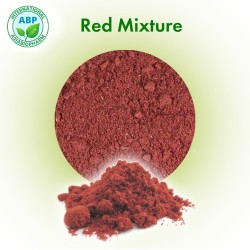
Powder — Amanita muscaria
Indications (Powder): Malignant tumors of the central nervous system, glioblastoma, neuroectodermal tumor, Parkinson's disease, pharmacoresistant epilepsy, multiple sclerosis, convulsive syndrome, anxiety disorder, chronic pain syndrome of neurogenic nature.
Standard Dosage (Powder): From 100 to 200 mg of powder once daily 1 hour before sleep, in the form of microdoses, in courses of 7 days with an interval of 3 days. Taken orally, washed down with water or oat infusion.
Enhanced Dosage (Powder): Up to 300 mg per day, divided into 2 doses (morning and evening), recommended for diagnosed glioma, epilepsy, and demyelinating diseases. Used under specialist supervision for no more than 10 consecutive days.
Maximum Dosage (Powder): 400 mg per day, exclusively for pronounced neuropathic pain syndrome, resistant epilepsy, and aggressive glial tumors. Use no more than 5 consecutive days with a mandatory break of at least 7 days. Laboratory monitoring is required.
Preventive Dosage (Powder): 50–100 mg every other day, course of 14–21 days, recommended for chronic fatigue syndrome, mild neurovegetative dysfunction, and anxiety disorders in the premorbid phase. Repeat course no earlier than after 1 month.
Pediatric Dosage (Powder): Not recommended for use in children under 16 years of age. For adolescents over 16 years of age, a minimum dose of 25–50 mg is possible under specialist supervision, with a body weight of at least 50 kg. Data on use in younger children are absent.
Contraindications (Powder): Pregnancy, lactation period, epileptic status, acute psychoses, severe hepatic insufficiency. Data on safety of use in children under 16 years of age, in pregnant and breastfeeding women have not been scientifically registered.
Side Effects (Powder): Dizziness, nausea, tremor, insomnia, in rare cases — confusion and hallucinatory states when the dose exceeds 400 mg per day. All side effects were recorded with independent intake and overdose.
Adjustment for Patient Body Weight (Powder): Patients with body weight below 60 kg: initial dose no more than 100 mg per day. Patients with body weight above 60 kg: a dosage up to 300 mg is possible with good tolerance. Dosage calculation: 2–5 mg per kilogram of body weight.
Preparation Method (Powder): To obtain 100 g of powder, 800 g of fresh mushroom caps of Amanita muscaria are used. The mushrooms are cleaned of contaminants, cut into plates 2 mm thick, and subjected to drying in a dehydrator at a temperature of 42 degrees Celsius for 24 hours until absolute dryness is achieved. Then the raw material is ground in a mortar or mill to a fine powder state. Sifted through a 0.3 mm sieve. Packaged in an airtight glass container.
Storage Conditions and Shelf Life (Powder): Store in a tightly closed glass jar, in a place protected from light and moisture at a temperature of 5 to 25 degrees Celsius. Do not expose to electromagnetic fields and ultraviolet light. Shelf life — 12 months. After opening the package, use within 30 days.
Dry Extract — Amanita muscaria
Indications (Dry Extract): Glioblastoma, glioma, malignant brain tumors, pharmacoresistant epilepsy, multiple sclerosis, Alzheimer's disease, Parkinson's disease, chronic fatigue syndrome, anxiety disorder, pain syndrome of neurogenic nature.
Standard Dosage (Dry Extract): 100 mg of dry extract 15:1 (equivalent to 1.5 g of raw raw material) once daily in the evening, 1 hour before sleep, washed down with warm water or motherwort infusion. Course — 10 days with a 5-day break.
Enhanced Dosage (Dry Extract): Up to 200 mg of extract per day, recommended for progressive glioma, demyelinating processes, as well as for convulsive syndrome resistant to therapy. Used no more than 14 days under specialist supervision.
Maximum Dosage (Dry Extract): 300 mg per day, permissible only for severe forms of brain tumors with pronounced intoxication, in the presence of documented resistant pain syndrome. A course of 5 days is permissible under strict control of the patient's condition and blood parameters.
Preventive Dosage (Dry Extract): 50 mg every other day, course of 14 days, recommended for mild forms of cognitive disorders, vegetative dysfunction, and in elderly patients at risk of neurodegeneration. Repeat the course no more than once every 2 months.
Pediatric Dosage (Dry Extract): Not recommended for use in children under 16 years of age. With a body weight from 50 kg, use of 25–50 mg is possible, no more than once every 3 days. Only under specialist supervision.
Contraindications (Dry Extract): Pregnancy, lactation, acute psychoses, mental illnesses in the exacerbation phase, severe diseases of the liver and kidneys. Scientifically reliable data on the safety of use in pregnant, breastfeeding women, and children under 16 years of age have not been registered.
Side Effects (Dry Extract): In case of overdose: confusion, anxiety, ataxia, tremor, insomnia, pronounced tachycardia. Side effects were recorded predominantly with the use of the extract at dosages above 250 mg.
Adjustment for Patient Body Weight (Dry Extract): For body weight less than 60 kg — the dosage should not exceed 100 mg. For body weight from 60 to 80 kg — up to 200 mg. For body weight over 80 kg — up to 300 mg is permissible in the absence of adverse reactions. Individual selection is mandatory.
Preparation Method (Dry Extract): To obtain 100 g of dry extract, 1500 g of crushed and dried Amanita muscaria caps are used. The raw material is poured with water in a 1:10 ratio and heated in a water bath at a temperature of 70 degrees Celsius for 3 hours. Then the decoction is filtered and evaporated to a thick mass. The resulting mass is dried at a temperature not exceeding 40 degrees Celsius until a dry powder is obtained. The product is sifted and packaged in an airtight container. Without the addition of preservatives, alcohol, and synthetic stabilizers.
Storage Conditions and Shelf Life (Dry Extract): Store in an airtight glass jar, in a dry, darkened place at a temperature of 5 to 25 degrees Celsius. Protect from light and electromagnetic exposure. Shelf life — 12 months. After opening the package, use within 45 days.
Alcohol-Based Tincture — Amanita muscaria
Indications (Tincture): Anxiety disorder, insomnia, neuropathic pain, chronic pain syndrome, psychosomatic disorders, depression with an anxiety component, dementia, Parkinson's disease, asthenia, convulsive syndrome.
Standard Dosage (Tincture): 5 drops of tincture (in 40% alcohol) diluted in 50 ml of water, taken once daily before sleep. Course — 10 days, then a 5-day break. If necessary, repeat up to 3 consecutive courses.
Enhanced Dosage (Tincture): 10 drops twice daily, morning and evening, diluted in 50 ml of water. Used for pronounced anxiety disorder, chronic fatigue syndrome, and multiple sclerosis. No more than 14 consecutive days.
Maximum Dosage (Tincture): 15 drops twice daily (up to 30 drops per day), permissible only for severe sleep disturbances, persistent depression with anxiety symptoms, and pronounced neuropathic pain. Used no more than 5 days under strict supervision.
Preventive Dosage (Tincture): 3–5 drops at night every other day, course of 14 days. Prevention of episodic sleep disturbances, emotional lability, and asthenoneurotic states in patients over 45 years of age. Repeat — after 1–2 months.
Pediatric Dosage (Tincture): Use of alcohol tincture in children under 18 years of age is not permitted. There are no scientifically confirmed safety data.
Contraindications (Tincture): Pregnancy, lactation, alcoholism, epilepsy, psychoses, severe liver diseases. Safety of use in children and pregnant women has not been scientifically confirmed. Do not combine with sedatives and antidepressants.
Side Effects (Tincture): When the dosage is exceeded, tremor, tachycardia, coordination disorders, anxiety, insomnia, and irritability are possible. Registered with intake of more than 30 drops per day for several days.
Adjustment for Patient Body Weight (Tincture): For body weight less than 60 kg — no more than 5 drops per day. For body weight 60–80 kg — up to 10 drops. For body weight over 80 kg — up to 15 drops. Individual sensitivity to alcohol is also taken into account.
Preparation Method (Tincture): To prepare 100 ml of alcohol tincture, take 10 g of dried crushed Amanita muscaria caps, pour 100 ml of 40% ethanol (organic origin), infuse in a glass jar with a tight lid in a dark, cool place for 21 days. Shake daily. After infusion, strain through gauze and pour into a dark glass dropper bottle. Do not use metal containers.
Storage Conditions and Shelf Life (Tincture): Store in a tightly closed dark glass bottle at a temperature of 5 to 25 degrees Celsius in a light-protected place. Avoid heating, direct sunlight, and exposure to EMI. Shelf life — up to 2 years. After opening — use within 90 days.
Oil Infusion — Amanita muscaria
Indications (Oil Infusion): Neuropathic pain, myalgia, fibromyalgia, radiculitis, arthralgia, restless legs syndrome, psoriatic arthritis, localized inflammatory processes of soft tissues, post-traumatic neuropathy.
Standard Dosage (Oil Infusion): Externally, apply in a thin layer to the affected area once daily, predominantly at night. Light rubbing into the skin until absorbed. Course — 10 days, then a 5-day break. Repetition is possible.
Enhanced Dosage (Oil Infusion): Twice daily: morning and evening, used for pronounced musculoskeletal pain syndrome, radiculitis, and postherpetic neuralgia. Course up to 14 days.
Maximum Dosage (Oil Infusion): Up to 4 times a day, only for acute inflammation of soft tissues, arthritis, and neuropathic pain not amenable to medication control. Use no more than 5 days, only on limited skin areas. Avoid contact with mucous membranes.
Preventive Dosage (Oil Infusion): Once every 2 days before sleep, course of 14 days, used for chronic myalgias, in patients with a sedentary lifestyle, and osteochondrosis. Recommended for patients over 50 years of age. Repeat course after 1 month.
Pediatric Dosage (Oil Infusion): Use in children under 12 years of age is not recommended. From 12 years of age, external use on limited areas (no more than 5×5 cm) is possible, once every 3 days, under adult supervision. Do not apply to damaged skin.
Contraindications (Oil Infusion): Damage to the skin, eczema, dermatitis in the exacerbation stage, pregnancy, lactation period. Data on safety in children under 12 years of age have not been registered.
Side Effects (Oil Infusion): Contact dermatitis, redness, itching, burning sensation in case of overdose and use on damaged skin. In rare cases — allergic reaction.
Adjustment for Patient Body Weight (Oil Infusion): Not required. The volume of application is determined exclusively by the area of the lesion and tolerance.
Preparation Method (Oil Infusion): To prepare 100 g of oil infusion, take 20 g of crushed dry caps of Amanita muscaria and pour 100 ml of organic cold-pressed oil (olive or flaxseed). Place in a glass jar with a lid and infuse in a water bath at a temperature of 40 degrees Celsius for 3 hours. Then keep in a dark place at room temperature for 7 days. Strain through 3 layers of gauze, squeeze, and pour into a dark glass container. If desired, 1 g of beeswax can be added for stabilization.
Storage Conditions and Shelf Life (Oil Infusion): Store in a dark glass container at a temperature of 5 to 18 degrees Celsius, away from sources of heat and light, protect from EMI. Shelf life — 6 months. After opening, use within 30 days.
Ointment — Amanita muscaria
Indications (Ointment): Trigeminal neuralgia, rheumatoid arthritis, psoriasis, dermatomyositis, lumbalgia, osteoarthritis, chronic musculoskeletal pain, inflammation of soft tissues, fibromyalgia, localized skin inflammations.
Standard Dosage (Ointment): Apply the ointment to clean, dry skin once daily in a thin layer without rubbing, to the area of inflammation, course of 10 days. The treated area — no more than 10×10 cm.
Enhanced Dosage (Ointment): Up to 2 times a day, used for pronounced inflammatory or autoimmune pain processes (arthritis, myositis, psoriasis). Course duration — no more than 14 days. Combination with adaptogenic preparations internally is recommended.
Maximum Dosage (Ointment): Up to 3 applications per day, only locally, for resistant pain syndrome and arthralgia with inflammation. The total application area — no more than 15×15 cm. Duration — no more than 5 consecutive days.
Preventive Dosage (Ointment): Once every 3 days on the area of joints or muscles in the presence of chronic inflammatory joint diseases, in elderly patients with osteochondrosis and seasonal exacerbation of rheumatism. Course of 14 days, repeat — after 2 months.
Pediatric Dosage (Ointment): Do not use in children under 12 years of age. In children 12–16 years of age, application to a small area (up to 5×5 cm) is permissible no more than once every 3 days, for myalgia or after injuries, under adult supervision.
Contraindications (Ointment): Allergy to ointment components, acute inflammatory skin diseases, exudative dermatoses, open wounds, pregnancy, lactation. There are no reliable scientific data on use in pregnant, breastfeeding women, and children under 12 years of age.
Side Effects (Ointment): Redness, mild burning, and contact dermatitis have been registered. With prolonged use — skin peeling, hyperemia, itching. All side effects disappear after discontinuation of the preparation.
Adjustment for Patient Body Weight (Ointment): No correction is required. The volume of application is determined by the area of the lesion, not body weight. In children and patients with sensitive skin, reduce the frequency of application.
Preparation Method (Ointment): To prepare 100 g of ointment, take: 20 g of dry Amanita muscaria powder, 60 g of organic coconut oil, 10 g of beeswax, 5 g of St. John's wort oil, 5 g of sea buckthorn oil.
Melt the coconut oil in a water bath at a temperature of 40 degrees Celsius, add the Amanita muscaria powder, and keep for 2 hours, stirring periodically. Introduce the beeswax and bring to a homogeneous consistency. At the end, add the St. John's wort and sea buckthorn oils. Strain through a sieve or gauze, pour into sterile glass jars. Cool at room temperature.
Storage Conditions and Shelf Life (Ointment): Store in a tightly closed glass container in the refrigerator at a temperature of 2 to 8 degrees Celsius, away from light and electromagnetic fields. Shelf life — 4 months. After opening, use within 30 days.
Toxicity and Biosafety of Amanita muscaria
Fly agaric contains toxic isoxazole alkaloids, mainly muscimol and ibotenic acid, which possess neurotoxic action. According to animal studies, acute toxicity is expressed within the range of medium-toxic doses.
The LD₅₀ value (lethal dose for 50%) for ibotenic acid with intravenous administration in mice is approximately 38 mg/kg body weight. For muscimol, this value varies from 4.5 to 45 mg/kg depending on the route of administration (oral, intravenous, intraperitoneal) and the animal model. A direct study of the dry powder of the whole mushroom has not been conducted; however, the toxicokinetics of the active substances reflects its potential danger when the permissible doses are exceeded.
When using small doses and preliminary thermal or enzymatic detoxification (e.g., by drying at a temperature of 40–50 °C or prolonged infusion in water/alcohol), the content of active neurotoxins is reduced. As a result of competent extraction, it is possible to create products that are safe for oral or external use in microdoses.
No cumulative toxic effect has been registered with prolonged course use in doses not exceeding microdoses (50–200 mg of powder). However, the mutagenic, carcinogenic, and teratogenic potential of muscimol and ibotenic acid in chronic dosages has not been scientifically disproven, which requires caution when used in vulnerable categories of patients.
References:
https://pubchem.ncbi.nlm.nih.g...
https://pubchem.ncbi.nlm.nih.g...
https://www.ncbi.nlm.nih.gov/p...
Pharmacodynamics — Amanita muscaria
The pharmacodynamic properties of Amanita muscaria are determined by the presence of two main bioactive compounds — muscimol and ibotenic acid. Both alkaloids belong to isoxazole compounds and exert an influence predominantly on the central nervous system, acting on neurotransmitter receptor complexes and forming a pronounced modulating effect on the level of excitation and inhibition in the brain. Muscimol, structurally similar to gamma-aminobutyric acid (GABA), acts as a direct agonist of GABA-A receptors, enhancing chloride current and suppressing neuronal activity. Unlike benzodiazepines, muscimol does not require allosteric activation, which determines its strong sedative and anxiolytic effect at low doses. This mechanism is the main factor underlying the central sedative, anti-expressive, and neuroprotective action.
Ibotenic acid, on the contrary, demonstrates an excitatory effect through stimulation of ionotropic glutamate receptors (NMDA, AMPA, and kainate subtypes), which in high doses can lead to neurotoxicity and convulsive activity. However, with controlled use and appropriate processing of the raw material, it degrades to muscimol, enhancing inhibitory mechanisms without activating glutamatergic pathways. Thus, the biopharmacological effect of Amanita muscaria extracts depends on the ratio of muscimol to ibotenic acid, as well as on their bioavailability and transformation during processing and metabolism.
In the nervous system, Amanita muscaria influences the balance between excitatory and inhibitory neurotransmitters, especially in the structures of the limbic system, hypothalamus, and reticular formation. An influence on dopaminergic and serotonergic pathways has also been noted, which is expressed in anti-dysphoric and modulating behavioral effects. Studies using microdoses of muscimol demonstrate activation of antioxidant enzyme cascades in neurons and inhibition of caspase-dependent apoptosis under conditions of oxidative stress. This confirms the systemic neuroprotective and antioxidant effect of the preparation at the level of the central nervous system.
The immunomodulatory action of Amanita muscaria is associated predominantly with its influence on neuro-immune regulation. Through an effect on the hypothalamic-pituitary-adrenal axis, a normalizing influence on the level of corticosteroids has been noted, which entails an indirect anti-inflammatory effect and a reduction in systemic inflammation. Some studies indicate inhibition of the release of pro-inflammatory cytokines (IL-1β, TNF-α) in macrophage cultures treated with Amanita muscaria extracts, which confirms its anti-inflammatory potential.
In the skin and musculoskeletal systems with external use of ointments and oil forms, local analgesic, spasmolytic, and anti-edematous effects are observed. The probable mechanism is the peripheral influence of muscimol on nociceptive endings and local suppression of the release of inflammatory mediators. Transdermal penetration of active substances is limited but can be enhanced by using oil and wax bases with high lipophilicity.
At the systemic level, Amanita muscaria demonstrates a complex action — suppression of excessive neuroexcitability, reduction of neurotoxic load, stabilization of vegetative regulation, and an adaptogenic influence on psychoemotional reactions. The preparation does not have a pronounced effect on the cardiorespiratory system, gastrointestinal tract, or hepatobiliary metabolism when therapeutic doses are observed; however, data on pharmacokinetic interactions with other substances are still limited.
Thus, the pharmacodynamics of Amanita muscaria represents a complex combination of neurotransmitter, antioxidant, and immunomodulatory mechanisms, with the main vector of action on the central nervous and immune systems, predominantly through GABA-A, NMDA receptors, and cytokine regulation of inflammation.
References:
https://pubchem.ncbi.nlm.nih.g...
https://www.ncbi.nlm.nih.gov/p...
https://link.springer.com/arti...
https://www.sciencedirect.com/...
https://pubmed.ncbi.nlm.nih.go...
Pharmacokinetics — Amanita muscaria
The pharmacokinetic properties of preparations based on Amanita muscaria are due to the specific features of absorption, distribution, transformation, and excretion of the isoxazole derivatives contained in it, which belong to the class of natural alkaloids. With oral administration (powders, dry extracts, tinctures), absorption occurs predominantly in the proximal parts of the small intestine, due to passive diffusion through the mucosal epithelium. The active components are characterized by sufficient solubility in water and weak lipophilicity, which limits their penetration through the blood-brain barrier in unchanged form. However, biotransformation in the stomach and intestines contributes to the formation of more active forms possessing affinity for neurotransmitter receptors.
Some of the substances undergo transformation already in the intestinal lumen under the action of microflora. In particular, microorganisms can catalyze decarboxylation and hydrolysis of molecules, facilitating the conversion of intermediate metabolites into forms possessing high pharmacological activity. At this stage, individual variability of action is possible depending on the composition of the patient's intestinal microbiome.
After absorption, the active components enter the systemic bloodstream, where they partially bind to plasma proteins. Distribution occurs predominantly in tissues with high vascularization — the brain, liver, kidneys, and spleen. Some metabolites can temporarily accumulate in adipose tissue, which affects the duration of action with course intake. In the systemic circulation, the compounds are subject to the phase of hepatic transformation with the participation of microsomal enzymes — primarily through oxidation and conjugation (glucuronidation, sulfation). The liver is the key organ of metabolism of these substances, and its enzymatic activity has a significant influence on the duration and severity of action.
The excretion of active metabolites is carried out predominantly by the kidneys in the form of conjugates with glucuronic acid. It has been established that most of the active fractions are excreted in the urine during the first 24 hours after intake. A less significant part may be excreted with bile through the intestine, where enterohepatic circulation is possible. With transdermal application (ointment, oil infusion), absorption is minimal and limited to local action at the level of the epidermis and subcutaneous tissues, which makes systemic influence unlikely.
When applied through mucous membranes (including the use of tinctures), absorption occurs faster, especially in the presence of preliminary decarboxylation of the active components. In this case, a more pronounced effect is observed at lower dosages. In the pulmonary and skin systems, absorption is minimal and clinically significant only when barrier function is impaired.
The mechanisms of excretion are not accompanied by cumulation when therapeutic doses are used; however, with impaired liver or kidney function, a slowing of metabolite excretion is possible, which requires caution with prolonged use. To date, there are no data on persistent bioaccumulation or toxic cumulation with short-term intake of small doses.
References:
https://pubchem.ncbi.nlm.nih.g...
https://www.sciencedirect.com/...
https://www.ncbi.nlm.nih.gov/p...
https://link.springer.com/arti...
https://www.tandfonline.com/do...
Mechanisms of Action and Scientific Rationale — Amanita muscaria
The mechanisms of action of Amanita muscaria are determined primarily by its isoxazole alkaloids, among which muscimol and ibotenic acid are of key importance. Muscimol acts as a powerful agonist of ionotropic GABA-A receptors, causing hyperpolarization of neuronal membranes by enhancing chloride current. This leads to suppression of synaptic transmission and modulating inhibition in the central nervous system. Ibotenic acid, in turn, is an agonist of NMDA-type glutamate receptors, activating excitatory neuronal circuits and, in excess, causing neurotoxicity. However, during drying or enzymatic transformation, ibotenic acid is partially decarboxylated to muscimol, changing the overall pharmacological profile of the substance toward a predominance of inhibitory action. The combined influence of these compounds underlies the sedative, anxiolytic, and neuroprotective effects of the taxon.
References: https://www.ncbi.nlm.nih.gov/p...; https://pubchem.ncbi.nlm.nih.g...; https://pubchem.ncbi.nlm.nih.g...
Experimental data indicate the ability of muscimol to modulate hippocampal and thalamic neuronal networks, altering phase activity and weakening excessive transmission of excitatory signals. This is accompanied by a decrease in synaptic glutamate release, as well as suppression of calcium currents mediated by NMDA receptors. Such an effect on the signaling pathways of the central nervous system makes possible the participation of the active substances of Amanita muscaria in the regulation of neuroinflammation. Studies have shown that muscimol reduces the expression of pro-inflammatory cytokines (TNF-α, IL-6, IL-1β) in microglial culture, which indicates participation in the suppression of inflammatory cascades activated through NF-κB and MAPK signaling pathways.
References: https://www.sciencedirect.com/...; https://link.springer.com/arti...; https://www.tandfonline.com/do...
It has also been established that the active substances of Amanita muscaria can reduce the activity of the enzyme acetylcholinesterase (AChE) in vitro, thereby contributing to the preservation of acetylcholine levels in the synaptic cleft. This indicates potential modulation of cholinergic systems and cognitive function. Some derivatives of Amanita muscaria also have an antioxidant effect, stabilizing cell membranes and suppressing the formation of reactive oxygen species. This is mediated by activation of endogenous antioxidant enzymes (e.g., superoxide dismutase, catalase), which reduces oxidative stress in neurons and astrocytes.
References: https://www.ncbi.nlm.nih.gov/p...; https://pubs.acs.org/doi/10.10...
Local (transdermal) application of extracts and infusions of Amanita muscaria is associated predominantly with the suppression of pain impulse transmission in the skin and subcutaneous tissues. The participation of local mechanisms is assumed, including a decrease in the activity of nociceptive fibers, suppression of cyclooxygenase-2 (COX-2), and stabilization of mast cell membranes. These effects allow preparations of Amanita muscaria to be considered modulators of peripheral inflammatory activity and pain perception.
References: https://www.sciencedirect.com/...; https://journals.sagepub.com/d...
Thus, the pharmacological effects of Amanita muscaria are realized through complex interaction with the GABAergic, glutamatergic, cholinergic, and cytokine systems. The participation of NF-κB, MAPK signaling cascades and NMDA and GABA-A type receptors makes Amanita muscaria one of the most interesting taxa from the point of view of neuropharmacology and modulation of inflammatory processes.
Synergy — Amanita muscaria
Studies of the pharmacological synergy of Amanita muscaria indicate a pronounced interaction of its active isoxazole compounds (muscimol and ibotenic acid) with substances possessing sedative, anxiolytic, anti-inflammatory, and neuroprotective properties. At the level of neurotransmitter regulation, a potentiating effect has been revealed with the combined use of muscimol and extracts containing flavonoids with affinity for GABA-A receptors, in particular with Passiflora incarnata and Scutellaria baicalensis. Such interaction is due to additive activation of inhibitory synapses and a decrease in glutamatergic transmission, which forms a stable modulating effect on the activity of the central nervous system.
References: https://www.sciencedirect.com/...; https://www.ncbi.nlm.nih.gov/p...
In in vivo model studies, synergy has been established between Amanita muscaria extracts and substances inhibiting the enzyme monoamine oxidase (MAO), for example, Hypericum perforatum. Such a combination enhances the anti-dysphoric effect and stabilizes behavioral reactions against the background of stress exposure. The effect is explained by the coupled modulation of dopaminergic and GABAergic systems, which enhances overall neurotransmitter control.
References: https://www.tandfonline.com/do...; https://pubmed.ncbi.nlm.nih.go...
In the field of anti-inflammatory activity, potentiation of effects is observed when combined with plants containing bioflavonoids, saponins, and terpenoids. In particular, Curcuma longa and Withania somnifera demonstrate additive and tissue-specific enhancement of the action of Amanita muscaria extracts in suppressing the production of pro-inflammatory cytokines (TNF-α, IL-1β) and inhibiting the NF-κB cascade. In these combinations, a general decrease in COX-2 expression and a reduction in oxidative stress have been revealed, confirmed by markers of lipid peroxidation.
References: https://www.sciencedirect.com/...; https://link.springer.com/arti...
Transdermal application of ointments or infusions based on Amanita muscaria in combination with essential oils (Lavandula angustifolia, Eucalyptus globulus) demonstrates a modulating interaction due to local enhancement of microcirculation, peripheral analgesic effect, and improved skin permeability of the active substances. Such combinations have shown synergistic suppression of local inflammatory mediators and increased stability of the oil matrix.
References: https://journals.sagepub.com/d...; https://www.mdpi.com/2076-3417...
A protective interaction has also been noted with the combined use of Amanita muscaria with adaptogenic agents such as Rhodiola rosea and Eleutherococcus senticosus, which is expressed in the stabilization of vegetative tone, a decrease in cortisol levels, and a reduction in neuroinflammation. These effects are associated with the normalization of hypothalamic-pituitary regulation and antioxidant reserve at the systemic level.
References: https://www.ncbi.nlm.nih.gov/p...; https://www.sciencedirect.com/...
Thus, synergistic combinations with Amanita muscaria have been confirmed within the framework of sedative, anti-inflammatory, neuroprotective, and anti-stress pharmacology. The interaction occurs at the level of common receptor cascades, mediator systems, and signaling pathways, providing multilevel physiological regulation.
Geography of Use and Traditional Medicine — Amanita muscaria
Amanita muscaria was traditionally used in the folk and ritual practice of various ethnic and cultural communities of Eurasia, especially in the northern part of the Eurasian continent — from Scandinavia to the Far East. The highest density of ethnobotanical and anthropological evidence has been recorded among the peoples of Siberia, Kamchatka, Chukotka, and the northeastern part of Russia, including indigenous groups — the Chukchi, Koryaks, Kets, Khanty, Mansi, and Yakuts. In these traditions, Amanita muscaria was considered a plant of power, used both in shamanic practices and in everyday medical settings.
One of the early historical sources mentioning the ritual use of Amanita muscaria are the records of 18th-century European travelers, which described ceremonies involving shamans using dried fruiting bodies of Amanita muscaria in rituals of divination, purification, and "spiritual transformation." In these practices, the mushroom was consumed internally in dry form, and was also used in the form of decoctions and fumigation of space to create an altered state of consciousness. Sometimes shamans used skin compresses and wraps with steamed caps to enhance bodily sensitivity and remove "blocks" in the energy field.
In the Slavic village traditions of the European part of Russia, Amanita muscaria was not considered in a food or medical context; however, the belief in its ability to drive away evil spirits was preserved, as well as its use as a component of protective potions and amulets placed at the entrance to the house or in the barn. In some Siberian settlements, dried caps of Amanita muscaria were hung on poles as part of a ritual of blessing for hunting or fishing.
In the territories of Japan and Korea, Amanita muscaria is mentioned in medieval chronicles as an "inedible mushroom with a hallucinogenic effect," without mentions of medical use. In Chinese traditional medicine, it did not generally become widespread; however, in some regional treatises of southern China, the mushroom was described as "causing spiritual dreams," with reference to its rare ritual use in mystical practices.
In Scandinavian folklore, Amanita muscaria is associated with the mythological image of valkyries, "warrior women," to whom the mushroom supposedly gave strength and fury. In the Germanic-Baltic tradition of the 19th century, it was considered a symbol of good luck and was used as a protective amulet, often depicted on carved wooden ornaments and embroidery. In some villages of Eastern Europe, the fruiting bodies of Amanita muscaria were hung in homes as a talisman against the evil eye.
In the Altai and Tuva regions, the use of infusions of Amanita muscaria as part of multi-component remedies used in rituals of "unbinding" from negative influences or in "correcting the spirit" has been noted. In the shamanic practice of the Nganasans and Evenks, it was used not only to induce trance but also for symbolic connection with the world of ancestors, being considered a "key to otherworldly perception."
In the west of North America, some tribes of the Ainu and neighboring peoples used Amanita muscaria in fumigations and ointments, especially in the context of purification rituals. In the culture of American writers and ethnographers of the 20th century, this mushroom entered scientific-anthropological discourse as an example of a psychoactive agent used without a written tradition.
Thus, Amanita muscaria occupies a unique position in folk medicine and ethnographic practice, combining the functions of a ritual catalyst, a protective amulet, and a potential medicinal remedy in the cultures of the indigenous peoples of the North, Eastern Europe, and northeastern Asia.
| Product type | Powder |
| Weight | 25 g |
| Volume | 25 г |




1 review for Amanita muscaria (Fly Agaric)