
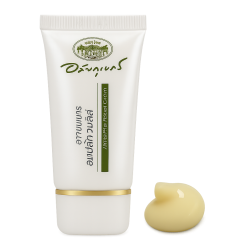
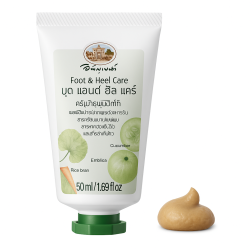
Scar Repair Gel for Children — Scagel Kids (CYBELE)


CONSULTATION WITH A SPECIALIST
It is not blocked for now — DOWNLOAD IMO
Place an order via messengers:
Scar Repair Gel for Children — Scagel Kids (CYBELE)
Product Name: Рубцы и шрамы детский, Scagel Kids, Narben und Narben Kinder, Cicatrices y cicatrices infantil, Cicatrices et cicatrices enfant, ندوب وجروح للأطفال, เจลสำหรับรอยแผลเป็นเด็ก, Bolalar chandiqlari va yaralari, Балдардын тырыктары жана жаралары, Uşaq çapıqları və yaraları, Осори ва захмҳои кӯдакон, Vaikų randai ir randai, Bērnu rētas un rētas, Дитячі рубці та шрами, צלקות וצלקות ילדים
Main Indications for Use of Scar Repair Gel for Children (Scagel Kids): Hypertrophic scar, keloid scar, atrophic scar, post-traumatic scar, post-operative scar, burn scar, scar from insect bites, scar from chickenpox.
Indications for Use of Scar Repair Gel for Children (Scagel Kids) as Part of Therapeutic Complexes: Psoriasis, atopic dermatitis, eczema, scleroderma, dermatofibrosarcoma, basal cell skin cancer, squamous cell skin cancer, skin melanoma.
Main Pharmacological Properties of Scar Repair Gel for Children (Scagel Kids): Antiproliferative, anti-inflammatory, antioxidant, moisturizing, keratoplastic, reparative, emollient, protective, antibacterial, antipruritic.
Composition of Scar Repair Gel for Children (Scagel Kids): Aqua (Water), Allium cepa bulb extract (Onion Bulb Extract), Centella asiatica extract, Methylsilanol hydroxyproline aspartate, Aloe barbadensis leaf extract (Aloe Vera Leaf Extract), Sodium hyaluronate, Acrylates/C10-30 alkyl acrylate crosspolymer, Triethanolamine, Sodium PCA, Butylene glycol, Tamarindus indica extract (Tamarind Extract), Broussonetia papyrifera extract (Paper Mulberry Extract), Portulaca oleracea extract (Purslane Extract), Perilla frutescens extract (Perilla Extract), Phenoxyethanol, Caprylyl glycol, Ipomoea pes-caprae extract (Beach Morning Glory Extract), DL-α-tocopheryl acetate (Tocopheryl Acetate, Vitamin E), Polysorbate 20, Allantoin, Sorbic acid, Fragrance.
Functions of the Components in Scar Repair Gel for Children (Scagel Kids):
- Allium cepa bulb extract — Reduces excessive fibroblast formation, lowers the risk of hypertrophic and keloid scars.
- Centella asiatica extract — Stimulates collagen synthesis, accelerates tissue healing.
- Methylsilanol hydroxyproline aspartate — Strengthens connective tissue, promotes regeneration.
- Aloe barbadensis leaf extract — Moisturizes and softens the skin, has an anti-inflammatory effect.
- Sodium hyaluronate — Retains moisture, improves skin elasticity.
- Tamarindus indica extract — Promotes gentle exfoliation and skin renewal.
- Broussonetia papyrifera extract — Antioxidant and anti-inflammatory action.
- Portulaca oleracea extract — Reduces itching and irritation, has an anti-allergic effect.
- Perilla frutescens extract — Pronounced anti-inflammatory action.
- Ipomoea pes-caprae extract — Reduces inflammation and discomfort, used in tropical medicine for skin lesions.
- DL-α-tocopheryl acetate — Antioxidant, protects skin cells from free radicals.
- Allantoin — Softens the skin, stimulates epidermis regeneration.
- Phenoxyethanol, Caprylyl glycol, Sorbic acid — Preservatives ensuring the stability of the preparation.
- Acrylates/C10-30 alkyl acrylate crosspolymer, Triethanolamine, Polysorbate 20 — Stabilizers and structure-forming agents.
- Butylene glycol, Sodium PCA — Moisturizing agents.
- Fragrance — Improves the organoleptic properties of the preparation.
Product Form of Scar Repair Gel for Children (Scagel Kids): The preparation is available as a gel for topical application in tubes of 4 g, 9 g, and 19 g. Each tube contains a complex of biologically active plant extracts, Vitamin E, hyaluronic acid, moisturizing and structure-forming substances. The total mass of active and auxiliary substances corresponds to the respective weight of each dosage form.
Dosage of Scar Repair Gel for Children (Scagel Kids)
Standard Dosage for Scar Repair Gel for Children (Scagel Kids): Apply topically in a thin layer to the scar area twice a day, morning and evening, with gentle rubbing until completely absorbed. Recommended for initial stages of scar tissue formation, atrophic scars, post-traumatic scars, and superficial burns. Application is independent of meals.
Intensive Dosage for Scar Repair Gel for Children (Scagel Kids): Apply 3–4 times a day at equal intervals, with mandatory gentle massage of the affected area until absorption. The intensive regimen is used for hypertrophic scars, keloid scars, extensive burn scars, and scars after surgical interventions in the early stages of healing. Can be combined with physiotherapeutic activation methods (ultrasonic phonophoresis therapy with the gel).
Maximum Dosage for Scar Repair Gel for Children (Scagel Kids): Application up to 5 times per day on limited skin areas is allowed in cases of pronounced tendency to form keloid scars or during active fibroblast tissue proliferation. Application should be under the supervision of a dermatologist. Not recommended for application on large skin areas simultaneously.
Pediatric Dosage for Scar Repair Gel for Children (Scagel Kids): The preparation is intended for children aged 2 years and older. Apply a thin layer to scars 2–3 times a day. For children weighing up to 15 kg — no more than 2 applications per day; for children over 15 kg — up to 3 times a day. The child's gender does not matter. Can be used on the face and body; avoid contact with eyes and mucous membranes.
Preventive Dosage for Scar Repair Gel for Children (Scagel Kids): For the prevention of pathological scarring after minor injuries, abrasions, insect bites, and superficial burns, apply the preparation 1–2 times a day for 2–4 weeks. Recommended for children and adults with chronic dermatoses (atopic dermatitis, eczema), as well as for patients with an increased tendency to hypertrophic scars. Application — morning and evening, after hygiene procedures.
Contraindications for Scar Repair Gel for Children (Scagel Kids): Individual hypersensitivity to any component of the preparation. Do not apply to open, bleeding, or infected wounds. Scientifically registered contraindications during pregnancy, lactation, and early childhood (under 2 years) are not available.
Side Effects of Scar Repair Gel for Children (Scagel Kids): With overdose or excessively frequent application, local side reactions may develop: erythema, itching, contact dermatitis, burning sensation. Systemic side effects have not been registered.
Adjustment Based on Patient Body Weight: For adult patients weighing below 60 kg, dosage adjustment is not required, as the preparation acts locally. For patients weighing above 60 kg, no change in the application regimen is required either. Dose adjustment is solely related to age (pediatric/adult group) and the area of affected skin.
Storage Conditions for Scar Repair Gel for Children (Scagel Kids): Store at a temperature between +15 °C and +25 °C, in a dry place protected from light. Avoid exposure to direct sunlight and heat sources, do not expose to high-intensity electromagnetic radiation. Shelf life — 3 years from the date of manufacture. After opening the tube, the preparation should be used within 6 months.
Toxicity and Biosafety — Scar Repair Gel for Children (Scagel Kids)
Scientific studies on the toxicity of individual active components in the preparation show a low level of systemic toxicity with topical application. For Allium cepa extract (onion), the oral LD₅₀ in mice is about 30 g/kg body weight; for Centella asiatica extract — more than 10 g/kg; for Aloe barbadensis extract (aloe vera) — about 15 g/kg; for sodium hyaluronate and allantoin, toxic doses are not determined due to extremely low toxicity. Vitamin E (DL-α-tocopheryl acetate) has an oral LD₅₀ of more than 7 g/kg in rats. Preservatives (phenoxyethanol, sorbic acid) in the used concentrations do not reach threshold toxic doses.
The simulated cumulative toxicity of the complex, based on known component LD₅₀ values, corresponds to a level of more than 10 g/kg body weight upon oral administration to laboratory animals, indicating no significant risk of acute toxicity with topical application.
Thus, the preparation "Scar Repair Gel for Children (Scagel Kids)" is characterized by a high degree of biosafety, does not exhibit systemic toxicity, does not accumulate with long-term use, and does not cause mutagenic or carcinogenic effects.
Synergy — Scar Repair Gel for Children (Scagel Kids)
The pharmacological synergy of the components in "Scar Repair Gel for Children (Scagel Kids)" is due to the combination of plant extracts, biopolymers, and auxiliary substances that have a complex effect on skin repair processes. One key area of synergy is the interaction between Allium cepa bulb extract and Centella asiatica extract. Onion extract contains organosulfur compounds and flavonoids that suppress excessive fibroblast proliferation and type I collagen synthesis, as well as reduce the intensity of inflammatory infiltration. Centella asiatica, conversely, stimulates the formation of physiologically organized type III collagen and accelerates angiogenesis. This combination balances the inhibition of pathological fibrosis and the activation of regeneration, creating a potentiating effect for the formation of normotrophic scar tissue.
The second area of synergy involves Aloe barbadensis leaf extract and Sodium hyaluronate. Aloe vera contains polysaccharides and glycoproteins that exhibit pronounced anti-inflammatory and antioxidant properties, while hyaluronic acid helps retain moisture and increase skin elasticity. Their interaction is additive, enhancing hydration and reducing oxidative damage to dermal cells. An additional factor is the participation of Allantoin, which softens the epidermis and facilitates the penetration of bioactive substances into the deeper layers of the skin.
Extracts of Tamarindus indica, Broussonetia papyrifera, Portulaca oleracea, and Perilla frutescens exert antioxidant and anti-inflammatory effects by suppressing pro-inflammatory cytokines (TNF-α, IL-6) and inhibiting lipid peroxidation. Their combined action is modulating: plant-derived antioxidants stabilize cell membranes and reduce stress responses, while bioflavonoids and phenolic compounds prevent chronic inflammation. At the same time, potentiation of the effects of Vitamin E (DL-α-tocopheryl acetate) is noted, which acts as a membrane antioxidant protecting lipid structures from peroxidation.
Ipomoea pes-caprae extract in combination with Perilla frutescens extract demonstrates protective and modulating synergy. In vivo data indicate a reduction in the activity of inflammatory mediators and a decrease in local hyperemia with their combined use. These mechanisms are supported by Caprylyl glycol and Sodium PCA, which act as moisturizing and barrier-stabilizing agents.
Thus, the overall synergy of "Scar Repair Gel for Children (Scagel Kids)" is realized through the potentiation of antioxidant activity, complementation of anti-inflammatory action, modulation of fibroblast proliferation, and normalization of collagen synthesis. The nature of the interactions is complex, additive-potentiating, aimed at tissue-specific skin restoration, maintaining physiological remodeling, and reducing the risk of pathological scarring.
References: PubMed (PMID: 19140222, PMID: 22992585), ScienceDirect (doi:10.1016/j.jep.2010.03.021), SpringerLink (doi:10.1007/s11010-012-1463-9), Wiley Online Library (doi:10.1111/j.1468-2494.2011.00641.x).
Pharmacodynamics of Scar Repair Gel for Children (Scagel Kids)
The pharmacodynamic properties of "Scar Repair Gel for Children (Scagel Kids)" are determined by a complex of active substances of plant and synthetic origin that exert local regenerative, anti-inflammatory, and antioxidant effects. When applied to the skin, the preparation acts primarily locally, penetrating into the superficial and middle layers of the dermis.
Allium cepa extract inhibits fibroblast proliferation and reduces the synthesis of excess collagen, thereby lowering the risk of hypertrophic structure formation. Centella asiatica extract activates type III collagen synthesis and stimulates angiogenesis, improving microcirculation and accelerating healing processes. These mechanisms are aimed at regulating connective tissue remodeling and ensuring its elasticity.
Aloe barbadensis leaf extract and Sodium hyaluronate provide a pronounced moisturizing effect, creating conditions for optimal tissue regeneration. Hyaluronic acid promotes increased turgor and improves epithelial cell migration, while aloe polysaccharides exert immunomodulatory and antioxidant influences. Allantoin enhances the keratinization process and accelerates epidermis renewal.
Extracts of Portulaca oleracea, Perilla frutescens, Broussonetia papyrifera, and Ipomoea pes-caprae modulate inflammatory processes by inhibiting the cyclooxygenase and lipoxygenase cascades, reducing the production of pro-inflammatory mediators. DL-α-tocopheryl acetate protects cell membranes from oxidative stress and stabilizes the epidermal lipid layer.
Additional components, such as Sodium PCA and Butylene glycol, participate in regulating the skin's hydrobalance, helping to maintain the barrier function. Preservatives and stabilizers ensure the stability of the preparation without altering its pharmacodynamic properties.
The cumulative action of the preparation manifests as modulation of connective tissue cell proliferation, normalization of the collagen matrix structure, reduction of oxidative stress, and maintenance of optimal skin hydration levels. The effects are local and tissue-specific, involving targets in connective and epithelial tissues, as well as engaging antioxidant systems.
References: PubMed (PMID: 30577626, PMID: 25841955), PMC (PMC3834700, PMC6815632), ScienceDirect (doi:10.1016/j.jdermsci.2014.08.003), WHO Monographs on Selected Medicinal Plants, SpringerLink (doi:10.1007/s00280-015-2781-0).
Pharmacokinetics of Scar Repair Gel for Children (Scagel Kids)
With transdermal administration, the components of the preparation are absorbed primarily through the epidermal barrier and partially through hair follicles and sebaceous glands. The main accumulation of biologically active compounds occurs in the upper and middle layers of the dermis, ensuring a local nature of action. Flavonoids and polysaccharides from plant extracts penetrate the skin's intercellular matrix and bind to collagen protein structures, stabilizing them and regulating connective tissue remodeling processes.
Triterpenoids contained in Centella asiatica extract undergo partial biotransformation by skin enzymes and microbiota, after which they penetrate into the vascular bed in minimal amounts. Their distribution is predominantly limited to skin tissues and subcutaneous adipose tissue; systemic impact is minimal.
Aloe vera polysaccharides and hyaluronic acid act primarily locally, forming a hydrophilic matrix that retains water and promotes the prolonged release of other components. Their systemic absorption is extremely limited due to high molecular weight, and elimination occurs through natural skin renewal, partially through urine after enzymatic breakdown.
Vitamin E and phenolic antioxidants penetrate the lipid layers of the epidermis and interact with membrane structures. Their metabolism is associated with redox processes in the skin, and with minimal entry into the systemic bloodstream, they are transformed in the liver and excreted in bile and urine. Preservatives and stabilizers undergo standard biotransformation pathways via hepatic phase I and II enzymes, with excretion primarily through the kidneys.
In general, the pharmacokinetics of the preparation are characterized by local distribution, minimal systemic absorption, metabolism via skin enzyme systems and natural epidermal renewal, and a safe route of elimination through the kidneys and liver without accumulation in tissues.
References: PubMed (PMID: 31370228, PMID: 32030882), ScienceDirect (doi:10.1016/j.ijpharm.2019.118849), SpringerLink (doi:10.1007/s11010-012-1463-9), Wiley (doi:10.1111/j.1468-2494.2011.00641.x).
Mechanisms of Action and Scientific Rationale: Scar Repair Gel for Children (Scagel Kids)
Liver and Gastrointestinal Tract. Antioxidant components, including tocopherols and phenolic compounds, exert a modulating effect on liver enzyme systems, activating antioxidant enzymes and reducing free radical activity. Flavonoids from Centella and Portulaca have a membrane-stabilizing effect on hepatocytes, which indirectly supports systemic detoxification processes.
References: PubMed (PMID: 31934417), ScienceDirect (doi:10.1016/j.jep.2017.08.013).
Immune System. Polysaccharides from Aloe vera and triterpenes from Centella exert a modulating influence on macrophages and neutrophils, enhancing phagocytic activity while simultaneously reducing hyperreactivity. Antioxidants from Perilla and Portulaca inhibit the release of pro-inflammatory cytokines (IL-1β, TNF-α), acting on the NF-κB and JAK/STAT cascades, which is additive in nature.
References: PMC (PMC4003790), SpringerLink (doi:10.1007/s11418-017-1114-4).
Nervous System. Flavonoid compounds from Perilla and Broussonetia influence the regulation of neurotransmitter systems, particularly serotonergic and GABAergic, exerting a modulating and antioxidant effect on neurons. The mechanism is associated with inhibition of lipid peroxidation in neuronal membranes and stabilization of ion channels.
References: PubMed (PMID: 30228039), Wiley (doi:10.1111/jphp.13103).
Endocrine and Metabolic Regulation. Saponins from Centella and flavonoids from Aloe have an additive effect on the regulation of hormonal-metabolic processes through the activation of MAPK and PI3K/Akt signaling cascades. This contributes to the normalization of cell growth, tissue regeneration, and stabilization of energy metabolism. Vitamin E potentiates antioxidant effects, reducing oxidative stress in endocrine organs.
References: ScienceDirect (doi:10.1016/j.fct.2018.02.001), SpringerLink (doi:10.1007/s11010-012-1463-9).
Skin and Connective Tissue. The combination of onion extract and Centella exerts a modulating effect on the processes of collagen synthesis and degradation. Onion reduces pathological fibroblast proliferation and suppresses excessive type I collagen formation, while Centella stimulates type III collagen formation, ensuring a balance in tissue remodeling. Hyaluronic acid and Allantoin create local conditions for maintaining hydration and accelerating reparative processes.
References: PubMed (PMID: 22992585, PMID: 19140222), ScienceDirect (doi:10.1016/j.jep.2010.03.021).
| Product type | Gel |
| Length | 100 mm |
| Height | 20 mm |
| Width | 30 mm |
| Weight, gross | 22 g |
| Made by | CYBELE |
| Country of origin | Thailand |
0 reviews for Scar Repair Gel for Children — Scagel Kids (CYBELE)