
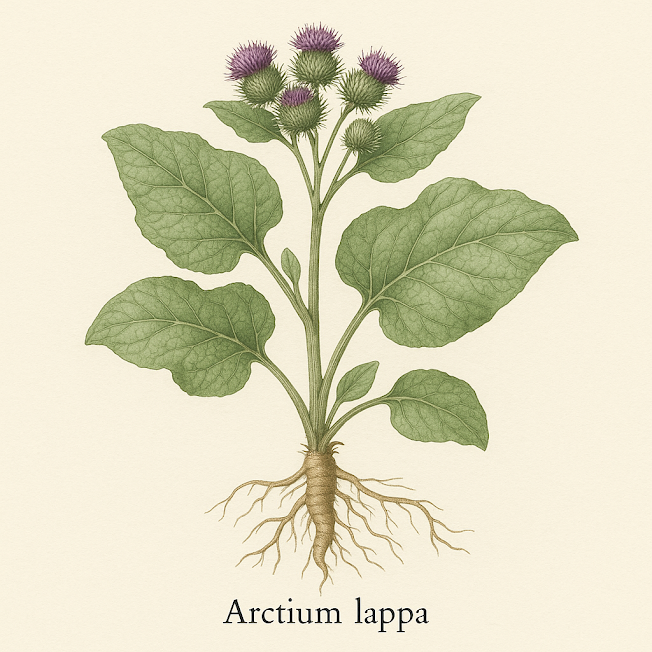
Arctium lappa (Greater Burdock)
CONSULTATION WITH A SPECIALIST
It is not blocked for now — DOWNLOAD IMO
Place an order via messengers:
Arctium lappa (Greater Burdock)
Product Name: Лопух большой, Arctium lappa, Große Klette, Bardana mayor, Bardane, أرقطيون كبير, โกฐหัวบัว
Synonyms: лопух, репейник, медвежья лапа, татарник, дедовник, burdock, great burdock, Große Klette, Klette, bardana, cachorrilla, bardane, grande bardane, الأرقطيون، أرقطيون كبير، نبات الأرقطيون، รากโกฐหัวบัว, โกฐหัวบัว
Parts Used: root, leaves, seeds.
Main Indications for Use of Arctium lappa: Acute and chronic forms of leukemia, multiple myeloma, lymphogranulomatosis, stomach cancer, colon cancer, pancreatic cancer, liver cancer, breast cancer, lung cancer, bladder cancer, systemic lupus erythematosus, rheumatoid arthritis, psoriasis, atherosclerosis, chronic hepatitis, toxic hepatitis, type 2 diabetes mellitus, obesity, furunculosis, acne, seborrheic dermatitis.
Use of Arctium lappa in mixtures and complexes: Cervical dysplasia, endometrial hyperplasia, hypertrophic gastritis, chronic pancreatitis, prostatitis, benign prostatic hyperplasia, nephrolithiasis, cholecystitis, bronchial asthma, systemic vasculitis, allergic dermatitis, eczema, ulcerative colitis, Crohn's disease, neurodermatitis, sensorineural hearing loss.
Pharmacological Properties of Arctium lappa: antitumor, antioxidant, hepatoprotective, hypoglycemic, immunostimulating, anti-inflammatory, diuretic, antimicrobial, regenerative, lipolytic, antiproliferative, hemostatic, adaptogenic, prebiotic, chelating.
Dosage of Pharmaceutical Forms — Arctium lappa
Powder — Arctium lappa
Indications (Powder): Acute and chronic forms of leukemia, stomach cancer, colon cancer, pancreatic cancer, liver cancer, breast cancer, systemic lupus erythematosus, chronic hepatitis, toxic hepatitis, type 2 diabetes mellitus, obesity, psoriasis, atherosclerosis.
Standard Dosage (Powder): 1 gram of powder 3 times a day 20 minutes before meals, with warm water or raspberry leaf infusion. Course — 30 days, repeat after a week's break.
Enhanced Dosage (Powder): 2 grams of powder 3 times a day for invasive forms of stomach, pancreatic, and colon cancer. Recommended in the absence of contraindications and under specialist supervision.
Maximum Dosage (Powder): 3 grams of powder 3 times a day short-term (no more than 7 days) for acute leukemia, aggressive forms of hepatocarcinoma, and invasive myeloma. Then switch to the standard or enhanced dosage.
Preventive Dosage (Powder): 0.5 grams of powder 2 times a day in courses of 21 days with a break of 2 weeks. Recommended for chronic hepatitis, metabolic syndrome, psoriasis, for patients over 45 years of age with a history of oncological risk.
Pediatric Dosage (Powder): From 12 years of age and body weight from 35 kg — 0.5 grams 2 times a day. Use in children under 12 years of age is not recommended due to insufficient evidence base.
Contraindications (Powder): Hypotension, individual intolerance, pregnancy and lactation (data on safety in these conditions have not been registered), acute stomach diseases (gastritis with hypersecretion), gastric ulcer.
Side Effects (Powder): Weakness, diarrhea, allergic rashes are possible when the dosage exceeds 10 grams per day. Cases of transient decrease in blood sugar levels in patients with diabetes mellitus have been described.
Adjustment for Patient Body Weight: For patients with body weight up to 60 kg, a reduction of dosage by 25% is recommended. For body weight more than 90 kg, an increase of the dose up to 20% of the standard is permissible.
Preparation Method (Powder): Burdock roots are thoroughly washed under running water, dried in a drying chamber at a temperature of 40–45 °C for 48 hours. After complete drying, they are ground in a mill to a homogeneous powder state. To obtain 100 grams of powder, 130 grams of raw root are used. Sieving through a sieve with a 0.5 mm mesh. Packaged in dark airtight glass containers.
Storage Conditions and Shelf Life (Powder): Store in a hermetically closed dark jar at a temperature not exceeding 25 °C, away from direct light, heat sources, and electromagnetic radiation. Shelf life — 12 months. After opening the package, use within 45 days.
Dry Extract — Arctium lappa
Indications (Dry Extract): Multiple myeloma, lymphogranulomatosis, liver cancer, pancreatic cancer, lung cancer, bladder cancer, chronic hepatitis, rheumatoid arthritis, systemic lupus erythematosus, type 2 diabetes mellitus, psoriasis, furunculosis.
Standard Dosage (Dry Extract): 4:1 extract is used at 250 mg 2 times a day, 30 minutes before meals, with chamomile infusion or warm water. Duration of the course — 21 days, then a 7-day break, up to 3 courses consecutively are allowed.
Enhanced Dosage (Dry Extract): 500 mg 2 times a day for lymphomas, myelomas, and metastatic liver cancer. Recommended for no more than 14 days consecutively, then switch to the standard dosage. Use under specialist supervision.
Maximum Dosage (Dry Extract): Up to 750 mg 2 times a day for no more than 5 days consecutively for emergency support of patients with aggressive forms of tumors (for example, hepatocellular carcinoma). A reduction to the enhanced dosage after 5 days is mandatory.
Preventive Dosage (Dry Extract): 125 mg once a day on an empty stomach. Recommended for family oncological burden, chronic intoxication syndrome, chronic skin diseases, including neurodermatitis. Course — 21 days after 21 days, for 3 months.
Pediatric Dosage (Dry Extract): For children over 14 years of age and body weight from 45 kg — up to 125 mg once a day. Use in children under 14 years of age is not recommended due to the lack of registered studies.
Contraindications (Dry Extract): Hypotension, hypoglycemia, pregnancy and lactation (no scientific data on safety), individual intolerance, ulcerative lesions of the gastrointestinal tract.
Side Effects (Dry Extract): With overdose (more than 1 g per day), the following are possible: decreased appetite, nausea, dizziness, stool disorders, transient decrease in blood glucose levels.
Adjustment for Patient Body Weight: Up to 60 kg — a reduction of dosage by 20%. Above 90 kg — an increase of 15% of the standard dose is permissible.
Preparation Method (Dry Extract): 100 grams of dried and ground root are poured with 1000 ml of water, kept at a temperature of 90 °C in a water bath for 3 hours. Then the mixture is evaporated to 250 ml, filtered, and dried in a drying chamber at a temperature of 45 °C until a dry residue is obtained. From 100 grams of raw material, about 25 grams of 4:1 extract are obtained. The finished extract is sieved and packaged in dark glass containers.
Storage Conditions and Shelf Life (Dry Extract): Store in a dry, dark place at a temperature up to 25 °C, in an airtight package. Avoid direct light and electromagnetic fields. Shelf life — 18 months. After opening, use within 60 days.
Alcohol Tincture — Arctium lappa
Indications (Alcohol Tincture): Breast cancer, lung cancer, liver cancer, chronic hepatitis, psoriasis, systemic lupus erythematosus, furunculosis, acne, seborrheic dermatitis, chronic cholecystitis, hypercholesterolemia.
Standard Dosage (Alcohol Tincture): 20 drops (approximately 1 ml) 3 times a day 30 minutes before meals, diluted in 50 ml of warm water. Duration of the course — 30 days, if necessary repeat after 14 days.
Enhanced Dosage (Alcohol Tincture): 30 drops (1.5 ml) 3 times a day for oncological lesions of the liver and lungs, psoriasis in the active phase, systemic lupus erythematosus. Course — no more than 21 days with a transition to the standard dosage.
Maximum Dosage (Alcohol Tincture): 50 drops (2.5 ml) 3 times a day is allowed for no more than 5 days consecutively for malignant tumors with hepatic localization. A transition to the enhanced regimen is mandatory.
Preventive Dosage (Alcohol Tincture): 10 drops once a day, diluted in water. Prevention is recommended for chronic inflammatory skin diseases, intoxications, a tendency to hyperlipidemia. Course — 21 days after 2 weeks, for 3 months.
Pediatric Dosage (Alcohol Tincture): Not recommended for children under 14 years of age due to ethanol content. After 14 years of age, 5–10 drops once a day under medical supervision are allowed.
Contraindications (Alcohol Tincture): Pregnancy, lactation, age under 14 years, alcohol dependence, epilepsy, individual sensitivity, pronounced hypotension. Safety during pregnancy and lactation has not been scientifically confirmed.
Side Effects (Alcohol Tincture): Dizziness, increased sweating, frequent stools, feeling of heat. With a dosage above 3 ml, gastrointestinal disorders and short-term tachycardia are possible.
Adjustment for Patient Body Weight: Up to 60 kg — reduce the dosage by 25%. Above 90 kg — an increase of 10–15% is permissible, but not exceeding the maximum of 7.5 ml per day.
Preparation Method (Alcohol Tincture): 100 grams of ground dried root are poured with 500 ml of 40% ethyl alcohol (from organically pure grain). The mixture is kept in a dark glass container at a temperature of 20–25 °C for 14 days with daily shaking. Then it is strained through gauze and filtered. The yield of the finished tincture is about 450 ml. Poured into dark vials with a dropper.
Storage Conditions and Shelf Life (Alcohol Tincture): Store in a tightly closed dark bottle, at a temperature from 5 to 25 °C, away from light, heat, and EMI sources. Shelf life — up to 3 years. After opening, use within 90 days.
Oil Infusion — Arctium lappa
Indications (Oil Infusion): Psoriasis, seborrheic dermatitis, alopecia, atopic dermatitis, chronic eczema, furunculosis, trophic ulcers, skin itching of unspecified etiology, fragility and hair loss, seborrhea of the scalp.
Standard Dosage (Oil Infusion): Topically: apply 5–7 ml of infusion to affected skin or scalp areas 1–2 times a day. Rub in with light massaging movements for 5–7 minutes. Course — 21 days.
Enhanced Dosage (Oil Infusion): Topically: up to 10 ml 2 times a day for pronounced alopecia, psoriasis, and seborrheic dermatitis with infection. Applying gauze compresses soaked in infusion at night (no more than 3 days consecutively) is recommended.
Maximum Dosage (Oil Infusion): 15 ml per day, no more than 10 days consecutively, only as prescribed by a dermatologist for trophic ulcers, infected dermatoses, and furunculosis with purulent discharge.
Preventive Dosage (Oil Infusion): Apply 3–5 ml to the scalp or dry skin areas once every 2 days. Used in the inter-relapse period of psoriasis, for dry skin, as well as to prevent hair loss in patients with androgenetic alopecia. Course — 1 month.
Pediatric Dosage (Oil Infusion): From 3 years of age — topically up to 2 ml per day for dermatitis and skin dryness. Use in children under 3 years of age is possible only in consultation with a pediatrician.
Contraindications (Oil Infusion): Individual intolerance, acute purulent skin processes in the absence of drainage, age under 3 years (due to lack of data). Data on contraindications during pregnancy and lactation have not been registered; however, prolonged application to extensive surfaces is not recommended.
Side Effects (Oil Infusion): Rarely — local irritation, redness, increased itching with sensitive skin. With overdose — skin maceration, folliculitis.
Adjustment for Patient Body Weight: Not required, as the form is used topically. For patients with body weight up to 40 kg — reduction of the application area to local.
Preparation Method (Oil Infusion): 100 grams of ground dried root are poured with 500 ml of organic jojoba oil or first cold-pressed olive oil. The mixture is kept in dark dishes at a temperature of 35–40 °C for 10 days with daily stirring. After infusion, the mixture is strained and the residue is squeezed out. The resulting infusion is filtered and poured into dark glass vials. If necessary, 0.2 grams of vitamin E can be added as a natural antioxidant.
Storage Conditions and Shelf Life (Oil Infusion): Store in a hermetically closed dark glass container, at a temperature from 5 to 25 °C, away from direct light and EMI. Shelf life — 12 months. After opening, use within 60 days, avoiding contact with water.
Vaginal Suppositories — Arctium lappa
Indications (Vaginal Suppositories): Cervicitis, bacterial vaginosis, candidal vulvovaginitis, chronic endocervicitis, cervical ectopia, vaginal itching of unclear etiology, restoration of the mucosa after pelvic radiotherapy.
Standard Dosage (Vaginal Suppositories): 1 suppository (contains 500 mg of oil extract of the root) once a day before bedtime. Course — 10 days; as prescribed by a gynecologist, it can be extended to 14 days.
Enhanced Dosage (Vaginal Suppositories): 1 suppository 2 times a day (morning and evening) for active inflammation of the vaginal and cervical mucosa, for exacerbations of chronic colpitis. Course — 7 days, then transition to the standard regimen.
Maximum Dosage (Vaginal Suppositories): 2 suppositories 2 times a day (every 12 hours) — allowed only in inpatient treatment for severe forms of bacterial vaginosis and refractory forms of chronic cervicitis. Course — no more than 5 days.
Preventive Dosage (Vaginal Suppositories): 1 suppository every other day, 10 applications in total. Prevention of recurrent vaginitis, restoration of the mucosa after aggressive therapy (radiation, antibiotics), for premenopausal women with vaginal dryness.
Pediatric Dosage (Vaginal Suppositories): Not used in girls before puberty. From 16 years of age according to indications — no more than 1 suppository per day. Use in pediatrics requires consultation with a gynecologist.
Contraindications (Vaginal Suppositories): Pregnancy, intolerance to components, acute inflammatory processes with purulent discharge, profuse bleeding. Scientific data on the safety of use during pregnancy and lactation have not been registered.
Side Effects (Vaginal Suppositories): Rarely — itching, burning sensation, slight irritation of the vaginal mucosa. With overdose — increased local symptoms, changes in the vaginal microflora are possible.
Adjustment for Patient Body Weight: Not required. In individual cases, with pronounced asthenia and body weight less than 45 kg, a halving of the dose is possible (administration every other day).
Preparation Method (Vaginal Suppositories): To obtain 100 grams of mass: 25 grams of oil infusion of burdock root (prepared according to the standard method), 70 grams of cocoa butter (organic), 5 grams of beeswax (natural). Cocoa butter is melted in a water bath at a temperature of 38–40 °C, oil infusion and wax are added, mixed thoroughly until homogeneous. The mass is poured into molds of 2 grams. Cooled until completely solidified. Store in a refrigerator.
Storage Conditions and Shelf Life (Vaginal Suppositories): Store at a temperature from +2 to +8 °C, in the original packaging, away from heat sources and direct light. Shield from electromagnetic radiation. Shelf life — 6 months. After opening, use within 10 days.
Rectal Suppositories — Arctium lappa
Indications (Rectal Suppositories): Prostate adenoma, chronic prostatitis, rectal cancer (as part of supportive therapy), hemorrhoids, anal fissures, inflammatory bowel diseases (Crohn's disease, ulcerative colitis), paraproctitis, postoperative rehabilitation for proctological interventions.
Standard Dosage (Rectal Suppositories): 1 suppository (contains 500 mg of oil extract) once a day at night. Course — 10–14 days depending on indications. Repeat courses are possible after 7–10 days.
Enhanced Dosage (Rectal Suppositories): 1 suppository 2 times a day (morning and evening) for exacerbation of chronic prostatitis, prostate adenoma, or ulcerative colitis. Course — 7 days, then the standard regimen.
Maximum Dosage (Rectal Suppositories): 2 suppositories 2 times a day are allowed in a hospital setting or under medical supervision for postoperative inflammations of the rectum and recurrent hemorrhoids. Duration — no more than 5 days.
Preventive Dosage (Rectal Suppositories): 1 suppository every other day. Used to prevent exacerbations of chronic prostatitis, hemorrhoids, anal fissures in men over 40 years of age and in patients with impaired venous outflow. Frequency — 10 applications, break — 2 weeks, the course is repeated up to 3 times a year.
Pediatric Dosage (Rectal Suppositories): From 12 years of age with body weight from 35 kg — ½ suppository once a day. Used only as prescribed by a physician. Not recommended in younger children.
Contraindications (Rectal Suppositories): Acute rectal bleeding, malignant neoplasms in the decay stage, individual intolerance to components. Safety of use during pregnancy and lactation has not been established.
Side Effects (Rectal Suppositories): Local irritation, frequent stools, false urges to defecate in case of overdose. In isolated cases — allergic reactions (itching, burning).
Adjustment for Patient Body Weight: Up to 60 kg — ¾ suppository. With body weight more than 90 kg, an increase in the mass of the active substance up to 750 mg is permissible with individual molding.
Preparation Method (Rectal Suppositories): For 100 grams of the preparation: 25 grams of burdock oil infusion, 70 grams of cocoa butter, 5 grams of beeswax. Cocoa butter is melted in a water bath at 38–40 °C, infusion and wax are introduced, the mixture is stirred until completely homogeneous. The mass is poured into 2 grams into rectal molds and cooled. The shape of the suppositories is torpedo-shaped.
Storage Conditions and Shelf Life (Rectal Suppositories): Store at a temperature of +2…+8 °C in a dark place, in a tightly closed package. Avoid temperature fluctuations and exposure to EMI. Shelf life — up to 6 months. After opening, use within 10 days.
Nasal Drops — Arctium lappa
Indications (Nasal Drops): Allergic rhinitis, chronic rhinitis, atrophic rhinitis, sinusitis, nasal polyposis, vasomotor rhinitis, rhinosinusopathy in immunodeficiency, restoration of the mucosa after rhinological surgery.
Standard Dosage (Nasal Drops): 2 drops in each nasal passage 3 times a day. Course — 7–10 days. Before instillation, cleansing of the nasal cavity with isotonic solution or chamomile hydrolate is recommended.
Enhanced Dosage (Nasal Drops): 3 drops in each nasal passage 4 times a day for chronic hypertrophic rhinitis and polyposis. Duration of the course — 5–7 days, then transition to the standard regimen.
Maximum Dosage (Nasal Drops): Up to 5 drops in each nasal passage 4 times a day for no more than 3 days consecutively for pronounced nasal congestion and the presence of purulent discharge. A return to the standard dosage after 3 days is mandatory.
Preventive Dosage (Nasal Drops): 1 drop in each nasal passage in the morning and evening, course — 10 days per month. Used in patients with chronic rhinitis, seasonal allergies, as well as with atrophic changes in the mucosa in premenopause.
Pediatric Dosage (Nasal Drops): From 6 years of age — 1 drop in each nasal passage 2 times a day. Before use, consultation with an ENT doctor is necessary. Under 6 years of age, not recommended due to increased mucosal sensitivity.
Contraindications (Nasal Drops): Purulent-necrotic processes in the nose, fresh postoperative wounds, individual intolerance. Safety during pregnancy and lactation has not been established; use with caution.
Side Effects (Nasal Drops): Transient burning, sneezing, congestion. When the dosage is exceeded, mucosal irritation, headache, dryness in the nose are possible.
Adjustment for Patient Body Weight: Dose adjustment is not required. In the case of children with body weight less than 25 kg, a reduction in dosage to 1 drop once a day is possible.
Preparation Method (Nasal Drops): To obtain 100 ml: 10 grams of dry root are poured with 100 ml of distilled water, heated in a water bath to 80 °C and kept for 1 hour. After filtration, 1 ml of glycerin and 0.5 ml of organic grapefruit seed extract are added as a natural preservative. The mixture is stirred, poured into sterile dropper bottles.
Storage Conditions and Shelf Life (Nasal Drops): Store at a temperature of +4…+8 °C in a refrigerator, protecting from light and EMI. Shelf life — 30 days. After opening, use within 7 days.
Ear Drops — Arctium lappa
Indications (Ear Drops): External otitis, eczema of the auditory canal, itching and peeling in the external ear, earwax plug with an inflammatory component, restoration of the epithelium after removal of foreign bodies, chronic dermatitis of the auditory canal.
Standard Dosage (Ear Drops): 2 drops in the external auditory canal 2 times a day. After instillation, it is recommended to lie on the opposite side for 5–7 minutes. Course — 5–7 days.
Enhanced Dosage (Ear Drops): 3 drops 3 times a day for pronounced inflammation of the auditory canal, the presence of eczematous lesions, severe itching. Course — up to 5 days, then transition to the standard regimen.
Maximum Dosage (Ear Drops): 4 drops up to 4 times a day, short-term (1–2 days) for pronounced external otitis or intense irritation. Only with an intact tympanic membrane.
Preventive Dosage (Ear Drops): 1 drop once a day for 5 days after water procedures in patients with chronic external otitis, eczema of the auditory canal, athletes, and swimmers.
Pediatric Dosage (Ear Drops): From 5 years of age — 1 drop 2 times a day. In children under 5 years of age, use only as prescribed by a physician. Ensure there is no damage to the tympanic membrane.
Contraindications (Ear Drops): Perforation of the tympanic membrane, purulent otitis media, individual intolerance to components, age under 5 years without consultation with an otolaryngologist. Data on use during pregnancy and lactation have not been registered.
Side Effects (Ear Drops): Irritation of the auditory canal, increased itching, feeling of fullness. With overdose, hyperemia of the skin of the auditory canal is possible.
Adjustment for Patient Body Weight: Correction is not required. In children under 25 kg — the maximum volume should not exceed 1 drop per day.
Preparation Method (Ear Drops): For 100 ml: 25 grams of dry burdock root are poured with 100 ml of organic sesame oil. The mixture is kept in a water bath at a temperature of 40–45 °C for 4 hours. Then it is infused for 48 hours in a dark place, filtered, and packaged into sterile vials with a pipette.
Storage Conditions and Shelf Life (Ear Drops): Store in a dark glass container at a temperature of +5…+20 °C, away from light and electromagnetic sources. Shelf life — 6 months. After opening, use within 30 days.
Ointment — Arctium lappa
Indications (Ointment): Psoriasis, chronic eczema, furunculosis, atopic dermatitis, neurodermatitis, pustular skin lesions, seborrheic dermatitis, ulcerative skin lesions, infected fissures, trophic ulcers.
Standard Dosage (Ointment): Apply a thin layer to the affected skin area 2 times a day, morning and evening. Course — from 10 to 21 days, depending on the clinical picture.
Enhanced Dosage (Ointment): Up to 3 times a day with the application of an occlusive dressing for pronounced furunculosis, trophic ulcers, infected dermatoses. Course — up to 10 days, then transition to the standard regimen.
Maximum Dosage (Ointment): Application up to 4 times a day is possible for 3–5 days for extensive and acute inflammatory skin lesions. Dermatologist supervision is recommended.
Preventive Dosage (Ointment): Once a day, preferably in the evening, on areas prone to irritation or peeling (elbows, knees, scalp in psoriasis). Used in courses of 7–10 days once a month.
Pediatric Dosage (Ointment): From 3 years of age — a single application per day on limited areas (up to 5×5 cm) for atopic dermatitis, allergic itching. Use under 3 years of age — only as prescribed by a physician.
Contraindications (Ointment): Acute purulent skin inflammations without drainage, hypersensitivity, extensive weeping skin lesions. Safety during pregnancy and lactation has not been studied.
Side Effects (Ointment): Redness, burning sensation, urticaria in case of individual intolerance. When applied to large areas — maceration, irritation.
Adjustment for Patient Body Weight: Not required. For children and asthenic patients — a reduction in the application area.
Preparation Method (Ointment): For 100 grams: 30 grams of oil infusion of burdock root, 60 grams of organic beeswax, 10 grams of shea butter. Shea butter and wax are melted in a water bath at a temperature of 40 °C, then the oil infusion is introduced. The mixture is stirred until homogeneous, cooled, and packaged into sterile glass jars. The consistency is dense, pasty.
Storage Conditions and Shelf Life (Ointment): Store at a temperature from +5 to +15 °C in a dark place, in a hermetically closed jar. Shelf life — 6 months. After opening, use within 30 days. Avoid contact with water and metal objects.
Paste — Arctium lappa
Indications (Paste): Furunculosis, carbuncle, purulent infiltrates, trophic ulcers, ulcerative skin defects, localized abscesses, weeping dermatitis, skin fissures with purulent discharge, limited purulent-necrotic processes.
Standard Dosage (Paste): Apply a thick layer to the affected area 1–2 times a day under a gauze dressing. Change the dressing every 12 hours. Duration of the course — 5–10 days depending on the severity of the inflammatory process.
Enhanced Dosage (Paste): Up to 3 applications per day for acute purulent-necrotic inflammations. Use in combination with an antiseptic dressing is allowed. Course — up to 7 days.
Maximum Dosage (Paste): Up to 4 times a day on limited areas (no more than 10×10 cm) for deep infection, carbuncles, and ulcers. Use no more than 3 days consecutively, then — transition to the standard dose.
Preventive Dosage (Paste): Once every 2–3 days on areas prone to inflammation (buttocks, armpits, skin folds) in patients with a predisposition to pustular lesions. Course — up to 2 weeks.
Pediatric Dosage (Paste): From 6 years of age — 1 application per day on a limited area (up to 4×4 cm). Use under adult supervision. Under 6 years of age — only as prescribed by a physician.
Contraindications (Paste): Open bleeding wounds, extensive areas of weeping dermatitis, individual intolerance. Safety during pregnancy and lactation has not been established.
Side Effects (Paste): Burning, redness, skin maceration. With overdose and prolonged use — hyperkeratosis and skin irritation.
Adjustment for Patient Body Weight: Correction for body weight is not required. In patients with body weight below 45 kg — limitation of the application area (up to 5×5 cm).
Preparation Method (Paste): For 100 grams: 40 grams of burdock root powder, 40 grams of organic green clay, 10 grams of beeswax, 10 ml of chamomile decoction. Clay and powder are mixed dry, then warm chamomile decoction and melted wax are introduced. The mass is thoroughly mixed to a pasty consistency, cooled, and packaged in a glass jar.
Storage Conditions and Shelf Life (Paste): Store in a glass container with a tight lid, in a refrigerator at +4…+8 °C. Shelf life — 14 days. After opening, use within 5 days. Do not allow water to enter the package.
Salve — Arctium lappa
Indications (Salve): Chronic neurodermatitis, psoriasis in the subacute phase, atopic dermatitis, eczema with dry plaques, hyperkeratosis, skin fissures of the hands and heels, dry erosions, restoration of the skin barrier after dermatological procedures.
Standard Dosage (Salve): Apply a small amount of salve (0.5–1 g) to affected skin areas 2 times a day, preferably in the morning and before bedtime. Course — 14 days.
Enhanced Dosage (Salve): Up to 3 applications per day for pronounced dryness, peeling, microcracks, and local inflammation. Used for 7 days, then switch to the standard regimen.
Maximum Dosage (Salve): Up to 4 applications per day for exacerbation of neurodermatitis, psoriatic plaques, and foot fissures. Only on limited areas (up to 10×10 cm). No more than 5 days consecutively.
Preventive Dosage (Salve): Once a day, preferably in the evening, on skin areas prone to dryness and peeling (fingers, elbows, heels). Preventive course — 7 days monthly in the autumn-winter period.
Pediatric Dosage (Salve): From 3 years of age — once a day on a small area (up to 4×4 cm). Use for atopic dermatitis, neurodermatitis, and skin fissures. Under 3 years of age, use only in consultation with a physician.
Contraindications (Salve): Acute purulent inflammations, weeping dermatoses, hypersensitivity to components. Scientific data on safety during pregnancy and lactation are absent.
Side Effects (Salve): Rarely — burning sensation, redness, allergic reaction. With excessive application, pore blockage and folliculitis are possible.
Adjustment for Patient Body Weight: Correction is not required. For children and persons with body weight up to 45 kg — reduction of the application area.
Preparation Method (Salve): For 100 grams: 20 grams of dry extract of burdock root, 50 grams of unrefined shea butter, 20 grams of beeswax, 10 grams of black cumin seed oil. Shea butter is melted in a water bath (temperature 40–42 °C), extract and beeswax are introduced, thoroughly mixed until a pasty homogeneous mass. When cooling, cumin oil is introduced. The finished salve is packaged in glass jars with an airtight lid.
Storage Conditions and Shelf Life (Salve): Store at a temperature of +5…+15 °C in a light-protected place. Shelf life — 6 months. After opening, use within 30 days. Avoid contamination and contact with wet skin in the jar.
Lotion — Arctium lappa
Indications (Lotion): Oily seborrhea, facial skin inflammation, acne, irritation after shaving, hypersensitive skin with redness, couperose, mild forms of dermatitis, itching in allergic reactions, microinflammations after cosmetic procedures.
Standard Dosage (Lotion): Apply 3–5 ml of lotion to cleansed skin using a cotton pad 2 times a day (morning and evening). Course of use — 14 days.
Enhanced Dosage (Lotion): Up to 3 applications per day for pronounced oily sheen of the skin, inflammatory elements, pustular rash. Duration — up to 7 days, then switch to the standard regimen.
Maximum Dosage (Lotion): Up to 5 applications per day (every 3–4 hours) for inflammations after peeling, mechanical facial cleansing, sunburn. Short-term — no more than 2 days consecutively.
Preventive Dosage (Lotion): Once a day, in the evening, on areas at risk of inflammation (forehead, chin, nose, shoulders). Suitable for preventing exacerbation of acne, especially in adolescence. Course — 10–14 days once a month.
Pediatric Dosage (Lotion): From 10 years of age — once a day pointwise on inflammatory elements for adolescent acne. Under 10 years of age, not used.
Contraindications (Lotion): Dry and peeling-prone skin, open wounds, individual intolerance. Safety during pregnancy and lactation has not been studied, but with topical use, contraindications are minimal.
Side Effects (Lotion): Transient burning, dry skin, irritation, peeling. With overdose, discomfort and redness are possible.
Adjustment for Patient Body Weight: Not required. When used in adolescents and asthenics, use a reduced volume (up to 2 ml per application).
Preparation Method (Lotion): For 100 ml: 15 grams of dry root are poured with 100 ml of boiling distilled water and infused in a water bath for 1 hour. After cooling, the infusion is filtered and 1 gram of apple cider vinegar, 1 ml of organic alcohol (as a stabilizer), 0.5 grams of green tea extract are added. The mixture is stirred, filtered through a microfilter, and poured into glass spray bottles.
Storage Conditions and Shelf Life (Lotion): Store at a temperature of +4…+8 °C in a refrigerator, in a tightly closed bottle. Shelf life — 21 days. After opening, use within 10 days. Avoid contamination of the solution.
Toxicity and Biosafety — Arctium lappa
According to modern research, the root of greater burdock (Arctium lappa) has low toxicity and is considered safe when consumed in therapeutic dosages.
In a study published in the Journal of Ethnopharmacology, the acute toxicity of the aqueous extract of burdock root was determined on a laboratory mouse model. The LD50 value for oral administration exceeded 8,000 mg/kg of body weight, which indicates extremely low toxicity of the substance. The extract did not cause lethal outcomes and did not demonstrate histopathological changes in the liver, kidneys, and intestines with subchronic use for 28 days.
In another study on rats, published in Regulatory Toxicology and Pharmacology, the safety of both aqueous and alcohol extracts at doses up to 2000 mg/kg was confirmed, including the absence of carcinogenic, mutagenic, and embryotoxic effects.
Thus, the root of greater burdock in the form of powder, dry extract, and aqueous-alcohol preparations can be classified as low-toxicity substances with a high biosafety profile when following the recommended dosages.
References:
https://pubmed.ncbi.nlm.nih.gov/21683115/
https://www.sciencedirect.com/science/article/abs/pii/S0273230011001377
Pharmacodynamics — Arctium lappa
The root of greater burdock has a complex pharmacodynamic profile realized through multiple systemic and local targets in the body. Its pharmacological activity is due to the presence of biologically active compounds such as lignans (arbutin, matairesinol), phenolic acids (chlorogenic, caffeic, ferulic), sesquiterpenes, inulin, phytosterins (beta-sitosterol), mucilages, and polyacetylenes. These components interact with various enzyme and receptor systems, providing a pronounced modulating and regulating effect.
Pharmacodynamically significant effects are realized mainly through antioxidant, anti-inflammatory, antiproliferative, and hepatotropic mechanisms. The antioxidant effect is associated with the inhibition of oxidative stress and stabilization of the activity of antioxidant enzymes such as superoxide dismutase, catalase, and glutathione peroxidase. Polyphenolic compounds, including chlorogenic acid and quercetin, inhibit lipid peroxidation and restore redox balance at the cellular level.
The anti-inflammatory effect is associated with the suppression of the expression of pro-inflammatory cytokines (TNF-α, IL-1β, IL-6), inhibition of COX-2 and 5-LOX enzymes involved in the biosynthesis of prostaglandins and leukotrienes. This action is realized through the modulation of the NF-κB and MAPK signaling pathways, which has been confirmed on macrophage and microglia cell models.
The immunomodulatory effect of burdock root is manifested in the enhancement of the activity of phagocytic cells, modulation of interleukin production, as well as normalization of the balance between Th1 and Th2 responses. Inulin, as the predominant oligosaccharide, acts as a prebiotic, regulating the intestinal microbiota, which has a systemic immunotropic effect.
Systemic targets of pharmacological action include the liver, kidneys, gastrointestinal tract, skin, and lymphoid tissue. The phytosterins and mucilages present improve the protection of mucous membranes and reduce the absorption of toxic compounds, which is confirmed in experiments on models of oral intoxication.
Polyacetylenes contained in the root have antimicrobial activity realized through disruption of the membrane potential of bacteria and fungi, which explains the broad antibacterial and fungicidal orientation with topical application. The antiproliferative effect of lignans and phenolic acids on cells in vitro, associated with the activation of caspase apoptosis and cell cycle arrest in the G2/M phase, has also been established.
At the level of the endocrine system, burdock root has a mild hypoglycemic effect associated with increased insulin sensitivity and inhibition of α-glucosidase. This mechanism is realized through the regulation of GLUT4 and activation of AMP-dependent protein kinase (AMPK) in peripheral tissues.
Pharmacological effects are predominantly systemic with oral administration and local with topical therapy. The stability of biological effects depends on the form of preparation (powder, extract, oil), as well as on the polarity of the extracting agents, which affects the concentration of polyphenolic and terpene components.
References:
https://pubmed.ncbi.nlm.nih.gov/26967554/
https://www.sciencedirect.com/science/article/abs/pii/S0378874114001921
https://onlinelibrary.wiley.com/doi/abs/10.1002/ptr.5092
https://www.tandfonline.com/do...
Pharmacokinetics — Arctium lappa
The pharmacokinetic properties of greater burdock root depend on the composition of the dosage form (powder, extract, infusion, tincture) and the dominant classes of compounds: lignans, phenolic acids, sesquiterpenes, inulin, and polyacetylenes. With oral intake, biologically active substances undergo partial absorption in the upper parts of the small intestine. The polysaccharide inulin, as a high-molecular substance, is not absorbed unchanged, but is metabolized in the colon by microflora with the formation of short-chain fatty acids that have a trophic effect on the intestinal epithelium and indirectly affect hepatic and systemic metabolism.
Phenolic compounds and terpenoids demonstrate a moderate degree of absorption through the gastrointestinal mucosa. Their penetration is enhanced in the presence of a fat-soluble medium, especially in oil forms. After absorption, the active components undergo primary metabolism in enterocytes and the liver, where they enter phases I and II of biotransformation. Metabolism includes hydroxylation, methylation, and conjugation with glucuronic acid, which facilitates their excretion and reduces bioreactivity. Subsequently, metabolites are distributed in the blood, with predominant accumulation in the liver, kidneys, and spleen.
Some fractions of essential oils and polyacetylenes are able to penetrate lipid membranes, accumulating in the skin and adipose tissue. In topical forms (ointment, salve, lotion), penetration into the systemic bloodstream is minimal, while the effect is mainly local. Partial transdermal absorption is possible when used under occlusion, elevated temperature, or damage to the skin barrier.
Metabolites and unchanged fragments of active substances are excreted through the kidneys with urine, as well as with bile through the intestines. To a lesser extent, excretion through the skin and respiratory tract is possible (in the case of alcohol tinctures with an inhalation effect). The participation of the liver in the detoxification and transformation of polyphenolic compounds has been confirmed experimentally: after administration of burdock extracts, an increase in the activity of phase II liver enzymes, such as UDP-glucuronyltransferase and glutathione-S-transferase, is observed.
Features of pharmacokinetics with administration through mucous membranes (vaginal and rectal suppositories) include partial bypass of the first hepatic passage, which allows achieving local and systemic effects with reduced load on the hepatobiliary system. These forms are preferable when prolonged action and controlled absorption are required under conditions of local inflammation.
Intestinal microbiota plays a key role in the metabolism of inulin and modification of phenolic acids, which causes significant interindividual variability in pharmacokinetic characteristics. Bacterial cleavage products have their own biological activity and can participate in the mediated effects of the taxon.
References:
https://pubmed.ncbi.nlm.nih.gov/26370980/
https://www.sciencedirect.com/science/article/abs/pii/S0378874114005906
https://www.tandfonline.com/do...
https://onlinelibrary.wiley.com/doi/10.1002/ptr.4997
Mechanisms of Action and Scientific Rationale — Arctium lappa
The pharmacological mechanisms of action of Arctium lappa root are mediated by the biochemical activity of a complex of polyphenols, phenolic acids, lignans, inulin, sesquiterpenes, and phytosterols. One of the key directions of action is the antioxidant pathway: phenolic compounds, including chlorogenic and caffeic acids, inhibit lipid peroxidation by activating the antioxidant enzymes superoxide dismutase and glutathione peroxidase. This reduces oxidative stress at the level of membranes and mitochondria, stabilizing the redox state of cells and preventing DNA damage.
Polyacetylene compounds and terpenes included in the essential fraction demonstrate an inhibitory effect on cyclooxygenase-2 (COX-2) and lipoxygenase (5-LOX), suppressing the synthesis of pro-inflammatory eicosanoids. In addition, flavonoid components reduce the expression of pro-inflammatory cytokines TNF-α, IL-1β, and IL-6 by suppressing the activation of the NF-κB transcription factor, which has been confirmed on macrophage and microglia cell lines.
The immunomodulatory effect of Arctium lappa is realized through stimulation of macrophage activity, enhanced production of interleukins IL-10 and IL-12, as well as through normalization of the CD4+/CD8+ lymphocyte ratio. In the intestinal microbiota model, the prebiotic effect of inulin promotes selective growth of bifidobacteria and lactobacilli, which indirectly affects the synthesis of short-chain fatty acids and the regulation of the immune response at the level of GALT (gut-associated lymphoid tissue).
Phytosterins and phenolic acids modulate lipid and carbohydrate metabolism by inhibiting the enzymes α-glucosidase and lipase, as well as activating AMP-dependent protein kinase (AMPK), which is involved in the energy regulation of liver cells, muscle, and adipose tissue. These mechanisms contribute to a decrease in postprandial glucose levels and an improvement in insulin sensitivity.
With regard to skin and epithelial tissues, a local anti-inflammatory and reparative effect has been established. It has been experimentally shown that Arctium lappa extracts stimulate the expression of fibroblast growth factors (FGF-2) and epidermal growth factor (EGF), accelerating the restoration of the epidermal barrier. Along with this, inhibition of metalloproteinase activity (MMP-2, MMP-9) has been noted, which prevents collagen degradation and supports the structure of the extracellular matrix.
The antiproliferative effect of root components is realized through the induction of cell apoptosis by activating the caspase cascade (caspase-3, -8, -9) and arresting the cell cycle in the G1 or G2/M phases. The influence on the expression of the oncosuppressor protein p53 and the antiapoptotic Bcl-2 indicates the presence of epigenetic effects associated with the regulation of cell growth and division.
Finally, the ability of Arctium lappa root extracts to reduce tyrosinase activity and suppress melanin formation has been described, which makes possible use in dermatocosmetological purposes. The proposed mechanism includes competitive inhibition of copper-containing enzymes and stabilization of melanocyte cell membranes.
References:
https://pubmed.ncbi.nlm.nih.gov/21683115/
https://www.sciencedirect.com/science/article/abs/pii/S0378874114001921
https://www.tandfonline.com/do...
https://onlinelibrary.wiley.com/doi/abs/10.1002/ptr.5092
https://pubmed.ncbi.nlm.nih.gov/26166136/
Synergy — Arctium lappa
Arctium lappa root demonstrates pharmacological synergy with a number of natural substances and plant extracts, confirmed in in vitro, in vivo studies, as well as in preclinical and applied biomedical practice. One of the most studied directions is the potentiation of antioxidant activity in combination with polyphenolic extracts of green tea (Camellia sinensis) and turmeric (Curcuma longa). It has been established that burdock phenolic acids, including chlorogenic acid, enhance the radical-scavenging ability of flavonoids with combined use, demonstrating synergistic suppression of oxidative stress on neuronal and hepatocyte cell lines.
Combined use with licorice root (Glycyrrhiza glabra) showed an additive and modulating effect with respect to pro-inflammatory cytokines. In experiments on RAW 264.7 macrophages, a more pronounced suppression of TNF-α and IL-6 was observed than with the use of each extract separately. Mechanistically, this is associated with co-inhibition of the NF-κB and MAPK cascades. A similar orientation was noted in combination with extracts of chamomile (Matricaria chamomilla) and yarrow (Achillea millefolium), where the anti-inflammatory effect is enhanced due to complex suppression of mediators and stabilization of mast cell membranes.
The immunomodulatory effect of Arctium lappa is enhanced in combination with purple coneflower (Echinacea purpurea) and shiitake (Lentinula edodes), where potentiation of phagocytic activity and NK cell activation is observed. Synergy is cellular in nature and is realized mainly through stimulation of CD14+ monocytes and TLR-dependent signaling cascades.
The interaction of Arctium lappa with inulin-containing plants (chicory (Cichorium intybus), Jerusalem artichoke (Helianthus tuberosus)) has been studied separately, where the prebiotic effect is enhanced due to structural complementarity of oligosaccharides and increased production of short-chain fatty acids by intestinal microflora. As a result, an improvement in the barrier function of the intestinal epithelium and a decrease in the level of pro-inflammatory mediators in GALT are noted.
Additive and potentially protective interaction with biologically active fractions of garlic (Allium sativum) and ginger (Zingiber officinale) on the vascular endothelium has also been described, including co-inhibition of nitric oxide synthase (iNOS) and suppression of platelet aggregation. This indicates a tissue-specific effect of synergy on the vascular wall.
From the point of view of cellular protection, Arctium lappa extracts in combination with resveratrol demonstrate potentiating inhibition of caspase-dependent apoptosis in neurons and cardiomyocytes, which is associated with co-activation of SIRT1 and decreased p53 expression. These mechanisms have been confirmed on cell cultures and in an induced ischemia model.
References:
https://www.sciencedirect.com/science/article/abs/pii/S0378874118300695
https://pubmed.ncbi.nlm.nih.gov/22440335/
https://onlinelibrary.wiley.com/doi/abs/10.1002/ptr.6625
https://www.tandfonline.com/do...
https://pubmed.ncbi.nlm.nih.gov/27209427/
Geography of Use and Traditional Medicine — Arctium lappa
Greater burdock is widely known in the ethnomedical systems of Eurasia, China, Japan, and Eastern Europe. It is most widespread in the folk medicine of Slavic peoples, in traditional Chinese medicine (TCM), Japanese Kampo medicine, as well as in the folk herbal practice of the Celtic and Romano-Germanic zones. Historically, the plant was cultivated or collected in the wild from Central Europe to Manchuria. In the English-language tradition, the plant is known as burdock and is part of the corpus of classical European phyto-collections.
In Slavic folk healing practice, burdock root was used mainly in the form of decoctions and infusions. It was used topically in the form of poultices, wraps, ointments, and also internally — as an aqueous infusion, tincture, or powder. In Russian herbals of the 18th–19th centuries, burdock was considered a plant that "removes the humors of the earth" and was used as an "earth cleansing remedy." Leaves and roots were used for wraps for "heaviness of the blood," as well as to strengthen the "forces of the skin and hair." In Ukrainian and Belarusian folk medicine, burdock root was collected in autumn, dried, and preserved for winter use in tinctures on alcohol and moonshine, considering it "cleansing the body and soul."
In China, the plant is known under the name 牛蒡 (niúbàng) and belongs to the category of cooling and cleansing agents in the traditional Chinese medicine system. According to the classic pharmacopoeia "Shennong Bencao Jing," the root was used in infusions, rice wine infusions, and powders. In TCM, burdock was traditionally combined with anise seeds and licorice root in decoction forms. In some provinces of China, the root was considered both a food and a medicinal product; it was consumed stewed, which gave ritual value to the concept of "a unit of food — a unit of medicine."
In Japan, burdock root is known as gobō and is widely used in cooking and medicine. Within the Kampo school, it is mentioned in treatises of the Edo period, where it was used as a cleansing and restorative remedy. The use of burdock in the form of fried root, as well as in infusions on vinegar or sake, is found in the village medicine of Kyoto and Nagano prefectures.
In the German herbal tradition (Volksheilkunde), burdock was considered the "root of iron" and was used in collections for "blood purification," "skin balancing," and in tinctures with vinegar and honey. It was used both internally and topically, including in the forms of lotions, wraps, and rubs, especially in the Bavaria region. It was believed that the plant "removes winter weakness" and restores strength in spring.
In the ritual and symbolic practice of Celtic and Baltic peoples, burdock was associated with purification and grounding. In Latvia and Lithuania, the root of the plant was sometimes used in rituals of cleansing space: it was burned or placed under the threshold of the house. In Slavic rituals, burdock leaves were hung in the hut as a symbol of protection from the evil eye and "evil currents of the earth."
Thus, Arctium lappa is one of the rare taxa combining medicinal, food, and ritual functions. In various ethnocultural traditions, it was used as a universal remedy for cleansing, restoration, and protection, with deep historical roots in the practice of many peoples of Eurasia.
| Product type | Powder, Extract |
| Weight | 100 g |
| Made by | Asiabiopharm Co Ltd |
| Country of origin | Thailand |
0 reviews for Arctium lappa (Greater Burdock)