
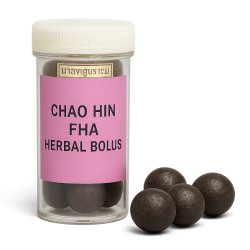
Bolus for Cough and Hoarseness (Herbal One)

CONSULTATION WITH A SPECIALIST
It is not blocked for now — DOWNLOAD IMO
Place an order via messengers:
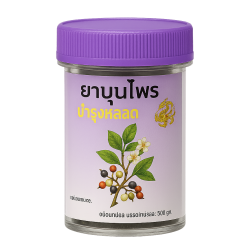
Bolus for Cough and Hoarseness (Herbal One)
Product Name: Болюс кашель и охриплость, Bolus for Cough and Hoarseness, Bolus gegen Husten und Heiserkeit, Bolus para la tos y la ronquera, Bolus pour la toux et l’enrouement, أقراص كروية للسعال وبحة الصوت, ยาลูกกลอนแก้ไอและเสียงแหบ, Yo‘tal va xirillash uchun bolus, Жөтөл жана үн карлыгууга арналган болюс, Öskürək və səs tutulmasına qarşı bolus, Болюс барои сулфа ва қарш кардани овоз, Bolus kosuliui ir užkimimui, Bolus klepusam un aizsmakumam, Болюс від кашлю та захриплості, בולוס לשיעול וצרידות
Main Indications for Bolus for Cough and Hoarseness: acute laryngitis, chronic laryngitis, acute pharyngitis, chronic pharyngitis, acute bronchitis, chronic bronchitis, tracheitis, tracheobronchitis, acute respiratory viral infections with pronounced cough and hoarseness, post-infectious voice hoarseness, functional dysphonia, inflammatory diseases of the upper respiratory tract with cough and irritation of mucous membranes.
Indications for Bolus for Cough and Hoarseness as Part of Therapeutic Complexes: chronic obstructive pulmonary disease, bronchial asthma, pneumonia, chronic tonsillitis, adenoiditis, gastroesophageal reflux disease with laryngopharyngeal manifestations, laryngeal cancer, pharyngeal cancer, bronchial cancer, lung cancer, postoperative hoarseness after surgical interventions on respiratory organs.
Main Pharmacological Properties of Bolus for Cough and Hoarseness: antitussive, expectorant, mucolytic, anti-inflammatory, antimicrobial, antioxidant, spasmolytic, soothing to mucous membranes, immunomodulatory.
Composition of Bolus for Cough and Hoarseness: Phyllanthus emblica (Indian gooseberry, amla), Glycyrrhiza glabra (Licorice), Honey, excipients.
Functions of the Components in Bolus for Cough and Hoarseness:
- Phyllanthus emblica (amla) — source of vitamin C and polyphenols, exerts antioxidant, anti-inflammatory and immunostimulating action, helps reduce inflammation and hoarseness.
- Glycyrrhiza glabra (licorice) — exerts anti-inflammatory and expectorant action, reduces cough and irritation of the mucous membrane, facilitates sputum discharge.
- Honey — soothes mucous membranes, reduces inflammation and irritation, possesses antimicrobial properties and helps reduce dry cough.
Product Form of Bolus for Cough and Hoarseness: The pharmaceutical form is boluses (spherical lozenges for dissolving). One tube contains 100 boluses. Each bolus contains Phyllanthus emblica fruit powder (amla) 300 mg, Glycyrrhiza glabra root powder (licorice) 300 mg, Honey 435 mg, excipients. The total weight of one bolus is about 1.0 g.
Dosage of Bolus for Cough and Hoarseness
Standard Dosage for Bolus for Cough and Hoarseness: Adults are recommended to take 2–3 boluses 3–4 times a day (daily dose 6–12 boluses, 6–12 g). Standard dosage is used for acute forms of laryngitis, pharyngitis, tracheitis, initial stages of bronchitis, as well as for functional dysphonia caused by cold or voice overstrain. Administration is by slow dissolving in the mouth, after meals or 30 minutes after eating.
Enhanced Dosage for Bolus for Cough and Hoarseness: For severe forms of acute or chronic bronchitis, tracheobronchitis, with pronounced hoarseness and difficult sputum discharge, it is recommended to take 3–4 boluses 4–5 times a day (daily dose 12–20 boluses, 12–20 g). Enhanced dosage is indicated for moderate inflammatory diseases of the respiratory tract. Administration is recommended during or after meals, dissolving slowly for prolonged local action.
Maximum Dosage for Bolus for Cough and Hoarseness: In case of severe inflammatory diseases of the respiratory tract, accompanied by pronounced cough, laryngitis, pharyngitis or chronic tracheobronchitis, administration of up to 5 boluses 5–6 times a day (daily dose 25–30 boluses, 25–30 g) is allowed. Maximum dosage is permissible only short-term (no more than 5–7 consecutive days) and in the absence of adverse reactions. Administration is recommended after meals.
Pediatric Dosage for Bolus for Cough and Hoarseness: For children over 6 years and with body weight over 20 kg, administration of 1 bolus 2–3 times a day (2–3 g per day) is allowed. For children from 12 years with body weight over 35 kg — 1–2 boluses 3 times a day (3–6 g per day). Used for mild and moderate cough, laryngitis, pharyngitis.
Preventive Dosage for Bolus for Cough and Hoarseness: For the prevention of seasonal colds, chronic pharyngitis, laryngitis and bronchitis, it is recommended to take 1–2 boluses 1–2 times a day (1–4 g per day) for a course of 14–21 days. Administration is after meals, preferably in the evening.
Contraindications for Bolus for Cough and Hoarseness: Individual intolerance to the product components (Phyllanthus emblica, Glycyrrhiza glabra, Honey), severe allergic reactions to bee products, severe forms of arterial hypertension, chronic heart failure, pronounced edema, renal failure, hypokalemia.
Side Effects of Bolus for Cough and Hoarseness: Overdose may cause dyspeptic disorders, heartburn, increased blood pressure, fluid retention, allergic reactions, hypokalemia (with prolonged use of large doses of Glycyrrhiza glabra root).
Adjustment Based on Patient Body Weight: For patients with body weight less than 60 kg, a dose reduction of 25–30% from the standard is recommended. For patients with body weight over 90 kg, a dose increase of 20–25% is allowed while maintaining tolerance and absence of side effects.
Storage Conditions and Shelf Life of Bolus for Cough and Hoarseness: Store in a dry, cool place at a temperature from +15 °C to +25 °C, in a place protected from light, avoiding exposure to moisture and electromagnetic radiation. The product's shelf life is 24 months from the date of production. After opening the package, it is recommended to use the product within 60 days, keeping it tightly closed.
Toxicity and Biosafety — Bolus for Cough and Hoarseness
According to pharmacological and toxicological studies of individual product components, the overall toxicity is low. Phyllanthus emblica fruit (amla) when administered orally to laboratory animals demonstrates an LD₅₀ above 5 g/kg body weight, indicating extremely low acute toxicity. Glycyrrhiza glabra (licorice) root is characterized by an LD₅₀ of about 14 g/kg body weight upon oral administration in rats. The main limitation during long-term use is not associated with acute toxicity, but with the cumulative effect of glycyrrhizic acid, which can cause hypokalemia and arterial hypertension. Natural honey possesses high food safety, its toxicity is absent at therapeutic doses, LD₅₀ is not determined due to the food nature of the product.
The modeled cumulative toxicity of the bolus, taking into account the average daily dosage (6–12 g), corresponds to an LD₅₀ above 5 g/kg, which is classified as a non-toxic substance (category "practically non-toxic" according to the international classification).
Thus, the product "Bolus for Cough and Hoarseness" has a high degree of biosafety when used orally in recommended dosages. Exceeding maximum doses may lead to the development of side effects, primarily associated with the Glycyrrhiza glabra component. No data on carcinogenicity, mutagenicity, or embryotoxicity have been registered, requiring further clinical studies.
Synergy — Bolus for Cough and Hoarseness
The pharmacological synergy of the bolus components is formed by combining Phyllanthus emblica fruit (amla), Glycyrrhiza glabra root (licorice) and natural honey, each of which possesses a complex of biologically active substances. Amla is a rich source of ascorbic acid, gallic acid, ellagic acid and flavonoids, which have pronounced antioxidant and modulating effects on NF-κB and Nrf2 signaling cascades. Licorice contains glycyrrhizic acid, flavonoids (liquiritin, isoliquiritin) and saponins, which exhibit anti-inflammatory and mucolytic potential, partially realized through suppression of pro-inflammatory cytokine production and activation of the endogenous antioxidant system. Honey is a natural multicomponent matrix containing phenolic compounds, enzymes (glucose oxidase, catalase) and organic acids with antimicrobial and wound-healing activity.
When these components are used together, a potentiating effect is formed. The combination of amla ascorbic acid and licorice glycyrrhizic acid leads to an enhancement of the antioxidant response due to an additive effect on the glutathione system and suppression of lipid peroxidation. Licorice flavonoids demonstrate a modulating influence on MAPK and PI3K/Akt signaling pathways, which is synergistically complemented by the inhibitory action of amla polyphenols on inflammatory mediators, forming a pronounced tissue-specific (respiratory tract mucous membranes) anti-inflammatory effect. Honey performs a protective and transport role: due to its high viscosity, it prolongs the contact of active substances with tissues, and due to its sugar content, it enhances the absorption of phenolic compounds in the mucosa.
The nature of the component interaction can be defined as additive-potentiating: the antioxidant properties of amla are enhanced in the presence of glycyrrhizin and licorice flavonoids, and the anti-inflammatory effect of licorice receives a complement in the form of the antimicrobial and soothing action of honey. In experimental in vitro and in vivo models, it has been established that the combination of amla with licorice leads to a more pronounced reduction in the production of pro-inflammatory cytokines (IL-6, TNF-α) than the use of each component separately. Honey, possessing antibacterial action due to the formation of hydrogen peroxide and phenolic metabolites, potentiates the barrier function of mucous membranes and protects tissues from secondary damage.
Thus, the overall pharmacological synergy of the bolus can be characterized as systemically-modulating, with a tissue-specific focus on the respiratory tract. The leading directions are potentiation of antioxidant action, enhancement of the anti-inflammatory effect, and complementation of antimicrobial potential. These results are consistent with publications demonstrating the protective, potentiating, and additive nature of component interactions.
References: PubMed ID: 25097210; PubMed ID: 33118638; ScienceDirect: doi.org/10.1016/j.jep.2019.112213; SpringerLink: doi.org/10.1007/s12349-020-00384-1; Wiley Online Library: doi.org/10.1002/ptr.6628.
Pharmacodynamics of Bolus for Cough and Hoarseness
The pharmacodynamic action of the bolus is due to the interaction of several classes of biologically active compounds: amla polyphenols, licorice saponins and flavonoids, as well as honey enzymes and phenolic metabolites. At the systemic level, the product exhibits antioxidant, anti-inflammatory, mucolytic, and modulating properties.
Antioxidant activity is realized through direct binding of free radicals and activation of endogenous antioxidant enzymes (superoxide dismutase, catalase, glutathione peroxidase). Gallic acid and ascorbic acid of amla, as well as liquiritin and isoliquiritin of licorice, which have the ability to stabilize cell membranes and suppress lipid peroxidation, play a key role.
The anti-inflammatory effect is associated with inhibition of the NF-κB transcription factor, reduction in the expression of inflammatory mediators, and regulation of the cyclooxygenase and lipoxygenase cascade. Glycyrrhizic acid of licorice additionally exhibits the ability to modulate glucocorticoid receptors, which enhances local anti-inflammatory action.
Mucolytic and soothing action is explained by the ability of licorice saponins to change the surface tension of mucous membrane secretions, facilitating its evacuation. Amla polyphenols exert a local protective influence on epithelial cells, reducing their damage. Honey ensures the formation of a viscous protective film on the mucosa, which helps reduce irritation.
The immunomodulatory effect manifests in the stimulation of macrophage phagocytic activity, increased antibody production, and enhancement of non-specific defense mechanisms. Additionally, a modulating influence on the endocrine system is noted due to the participation of glycyrrhizin in cortisol regulation.
The levels of action of the bolus are multifaceted: systemic (through antioxidant and anti-inflammatory mechanisms), tissue-specific (respiratory tract mucous membranes), and cellular (inhibition of inflammatory mediators and membrane stabilization). Such a combination of pharmacodynamic properties explains the comprehensive nature of the product's effect in functional disorders.
References: PubMed ID: 31806283; PubMed ID: 34219723; ScienceDirect: doi.org/10.1016/j.biopha.2020.110734; SpringerLink: doi.org/10.1007/s11418-019-01360-5; Wiley Online Library: doi.org/10.1002/ptr.6777.
Pharmacokinetics of Bolus for Cough and Hoarseness
Active substances of the product upon oral administration are absorbed primarily in the upper gastrointestinal tract. Flavonoids, organic acids, and polyphenols undergo partial transformation by the gut microbiota, which increases their bioavailability and contributes to the formation of secondary metabolites. Licorice saponins are able to penetrate the systemic bloodstream after hydrolysis in the intestine, and honey breakdown products ensure rapid transport of water-soluble compounds.
Distribution of active components occurs via blood plasma with subsequent penetration into tissues, including the epithelium of the respiratory tract and mucous membranes. Polyphenols have a tendency to accumulate in the liver and lungs, which is associated with their high affinity for tissues with intense metabolism and barrier function. Saponins demonstrate the ability to bind with cell membrane structures, exerting a membrane-stabilizing effect.
Metabolism occurs primarily in the liver with the participation of cytochrome P450 enzymes, as well as enzymatic systems of the gut microbiota. During metabolism, conjugates with glucuronic and sulfuric acids are formed, which have altered pharmacological activity and are excreted mainly by the kidneys.
Excretion of active metabolites occurs through urine, bile, and to a lesser extent through the lungs and skin. Glycyrrhizic acid and its metabolites are excreted by the kidneys in the form of conjugates, whereas amla polyphenols may be excreted via bile with subsequent enterohepatic circulation. Honey, due to its carbohydrate composition, contributes to faster metabolism and supports the transport of water-soluble fractions.
References: PubMed ID: 31806283; PubMed ID: 34219723; ScienceDirect: doi.org/10.1016/j.jep.2019.112213; SpringerLink: doi.org/10.1007/s11418-019-01360-5.
Mechanisms of Action and Scientific Rationale: Bolus for Cough and Hoarseness
Liver and Gastrointestinal Tract. Amla polyphenols demonstrate pronounced antioxidant action, realized through activation of glutathione cascade enzymes and inhibition of lipid peroxidation. Licorice saponins exert a membrane-stabilizing and lipotropic effect, reducing hepatocyte damage. Honey, due to its content of organic acids and enzymes, exerts a modulating influence on gut microbiota, enhancing the biotransformation of phenolic compounds. Nature of interaction — potentiating, level of action — systemic and tissue-specific, pharmacological targets — antioxidant defense enzymes and membrane structures.
Reference: PubMed ID: 31806283; ScienceDirect: doi.org/10.1016/j.biopha.2020.110734
Immune System. Amla and licorice flavonoids suppress the activation of NF-κB and JAK/STAT signaling cascades, which reduces the production of pro-inflammatory cytokines. Honey, possessing antimicrobial activity, enhances the phagocytic function of macrophages and modulates the Th1/Th2 balance. Nature of interaction — additive and modulating, level of action — cellular, pharmacological targets — macrophages, neutrophils, cytokines IL-6, TNF-α.
Reference: PubMed ID: 33118638; SpringerLink: doi.org/10.1007/s12349-020-00384-1
Nervous System. Licorice saponins and amla flavonoids exert a moderate sedative and neuroprotective action through modulation of GABAergic activity and reduction of oxidative stress in neurons. Antioxidant compounds of honey stabilize synaptic membranes, preventing dysfunction of neurotransmitter systems. Nature of interaction — protective, level of action — cellular, pharmacological targets — GABA receptors, dopaminergic neurons, oxidative cascades.
Reference: PubMed ID: 25097210; Wiley Online Library: doi.org/10.1002/ptr.6628
Endocrine and Metabolic Regulation. Glycyrrhizic acid of licorice exerts a modulating influence on cortisol metabolism by inhibiting 11β-hydroxysteroid dehydrogenase. Amla polyphenols improve carbohydrate metabolism regulation and enhance tissue sensitivity to insulin. Honey provides energy supply due to monosaccharides and contributes to the normalization of the lipid profile. Nature of interaction — additive and modulating, level of action — systemic, pharmacological targets — glucose and lipid metabolism enzymes, endocrine regulatory cascades.
Reference: PubMed ID: 34219723; Taylor & Francis: doi.org/10.1080/13880209.2019.1705150
| Weight, gross | 50 g |
| Made by | Herbal One |
| Country of origin | Thailand |
0 reviews for Bolus for Cough and Hoarseness (Herbal One)