
Mixture with Amla for Acute Diseases of the Respiratory System — UECOF Mixture (Panapat Healthcare)

CONSULTATION WITH A SPECIALIST
It is not blocked for now — DOWNLOAD IMO
Place an order via messengers:
Mixture with Amla for Acute Diseases of the Respiratory System — UECOF Mixture (Panapat Healthcare)
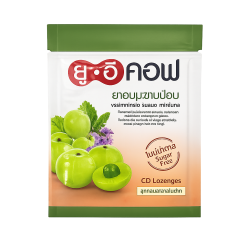
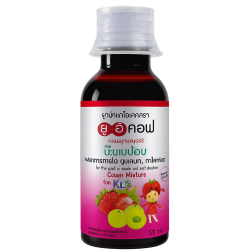
Product Name: Микстура при острых заболеваниях дыхательной системы, UECOF Mixture with Alma (Phyllanthus emblica), UECOF Mixtur bei akuten Atemwegserkrankungen mit Phyllanthus emblica, UECOF Jarabe para enfermedades respiratorias agudas con Phyllanthus emblica, UECOF Sirop pour maladies respiratoires aiguës avec Phyllanthus emblica, شراب يوإيكوف لعلاج الأمراض التنفسية الحادة مع فیلانتوس إمبليكا, ยูอีคอฟ น้ำเชื่อมสำหรับโรคทางเดินหายใจเฉียบพลันที่มีมะขามป้อม, UECOF O‘tkir nafas yo‘llari kasalliklari uchun sirop Phyllanthus emblica bilan, UECOF Сироп курч дем алуу жолдорунун ооруларында Phyllanthus emblica менен, UECOF Kəskin tənəffüs yolu xəstəlikləri üçün sirop Phyllanthus emblica ilə, UECOF Шарбат барои бемориҳои шадиди роҳи нафас бо Phyllanthus emblica, UECOF Sirup ūminėms kvėpavimo takų ligoms su Phyllanthus emblica, UECOF Sīrups akūtām elpceļu slimībām ar Phyllanthus emblica, UECOF Сироп при гострих захворюваннях дихальних шляхів з Phyllanthus emblica, UECOF סירופ למחלות נשימה חריפות עם Phyllanthus emblica
Main Indications for Use of UECOF Mixture with Amla (Phyllanthus emblica): Acute viral rhinopharyngitis, acute laryngitis, acute tracheitis, acute bronchitis, subacute bronchitis, chronic bronchitis, post-infectious cough, allergic cough with bronchial hyperreactivity, chronic obstructive pulmonary disease in remission and with mild exacerbation, acute pharyngitis, acute tonsillitis.
Indications for Use of UECOF Mixture with Amla (Phyllanthus emblica) as Part of Therapeutic Complexes: Allergic bronchial asthma, bacterial pneumonia, viral pneumonia, respiratory tuberculosis, bronchiectasis, lung adenocarcinoma, lung squamous cell carcinoma, lung small cell carcinoma, metastatic lung disease.
Main Pharmacological Properties of UECOF Mixture with Amla (Phyllanthus emblica): antitussive, expectorant, mucolytic, anti-inflammatory, antioxidant, bronchodilatory, antimicrobial, antiviral, antihistaminic, immunomodulatory.
Ingredients: Phyllanthus emblica (amla), Citrus aurantium (bitter orange), Siraitia grosvenorii (luo han guo, monk fruit), Glycyrrhiza uralensis (licorice), Prunus mume (ume, Japanese plum), Terminalia bellirica (bibhitaki), Citrus reticulata (mandarin), Terminalia chebula (haritaki).
Functions of the Components in UECOF Mixture with Amla (Phyllanthus emblica):
- Phyllanthus emblica (amla): antitussive, antioxidant, and anti-inflammatory action, protection of the respiratory mucosa.
- Citrus aurantium (bitter orange): anti-inflammatory and bronchoprotective action, reduction of bronchial hyperreactivity.
- Siraitia grosvenorii (luo han guo): cough soothing, facilitation of sputum expectoration, antioxidant action.
- Glycyrrhiza uralensis (licorice): expectorant, demulcent, antiviral, and anti-inflammatory action.
- Prunus mume (ume): anti-inflammatory and antibacterial action in the oropharynx and respiratory tract.
- Terminalia bellirica (bibhitaki): bronchodilatory and antispasmodic action, anti-inflammatory effect.
- Citrus reticulata (mandarin): mucolytic and anti-inflammatory action, reduction of sputum viscosity.
- Terminalia chebula (haritaki): antitussive and antiviral action, protection of the respiratory epithelium.
Product Form of UECOF Mixture with Amla (Phyllanthus emblica): Mixture (syrup) in a dark glass bottle, volume 1600 ml. The composition contains phyto-components calculated by raw material weight: Phyllanthus emblica 230.4 g, Citrus aurantium 25.6 g, Siraitia grosvenorii 16 g, Glycyrrhiza uralensis 10 g, Prunus mume 9.6 g, Terminalia bellirica 9.6 g, Citrus reticulata 8.4 g, Terminalia chebula 6.4 g. The total mass of active substances corresponds to traditional norms for liquid herbal dosage forms.
Dosage of UECOF Mixture
Standard Dosage for UECOF Mixture with Amla (Phyllanthus emblica): For adults: 15 ml 3 times daily (daily volume 45 ml). This dose provides a therapeutic range for amla (≈500–1000 mg extract/day), licorice (≤100 mg glycyrrhizic acid/day), and terminalia (0.5–2 g extracts/day). Recommended for acute respiratory viral infections, acute pharyngitis, tonsillitis, acute bronchitis of mild to moderate severity, post-infectious cough. Take 30 minutes after meals, evenly throughout the day, without additional activators.
Enhanced Dosage for UECOF Mixture with Amla (Phyllanthus emblica): For adults: 20 ml 3 times daily (daily volume 60 ml). This dose is used for subacute bronchitis, chronic bronchitis during exacerbation, allergic cough with bronchial hyperreactivity, chronic obstructive pulmonary disease in remission with residual cough. Take after meals, morning–afternoon–evening, preferably with warm water.
Maximum Dosage for UECOF Mixture with Amla (Phyllanthus emblica): For adults: 25 ml 3 times daily (daily volume 75 ml). The maximum dosage is justified for severe acute tracheitis, acute laryngitis with pronounced cough, lingering post-infectious cough, and as part of complex therapy for viral or bacterial pneumonia (in addition to baseline therapy). Take strictly after meals, evenly, monitor blood pressure and potassium levels with prolonged use.
Pediatric Dosage for UECOF Mixture with Amla (Phyllanthus emblica): Use is permissible in children over 6 years, with body weight over 20 kg. Recommended dose: 5 ml 3 times daily (daily volume 15 ml). For children 10–14 years: 10 ml 3 times daily (daily volume 30 ml). Used for acute viral respiratory infections, pharyngitis, acute bronchitis of mild form. Take after meals, in the morning and afternoon. Scientifically registered safety data for use in children under 6 years is not available.
Preventive Dosage for UECOF Mixture with Amla (Phyllanthus emblica): 10 ml twice daily (daily volume 20 ml). Used in patients with chronic bronchitis in remission, chronic obstructive pulmonary disease of mild degree, frequent episodes of acute respiratory viral infections, and individuals with increased bronchial hyperreactivity. Take in courses of 14–21 days, mainly during the autumn-winter season.
Contraindications for UECOF Mixture with Amla (Phyllanthus emblica): Severe arterial hypertension, chronic heart failure with edematous syndrome, hypokalemia, severe chronic renal failure, individual intolerance to the product's components, pregnancy and breastfeeding period (scientifically registered safety data not available), children under 6 years (scientifically registered safety data not available).
Side Effects of UECOF Mixture with Amla (Phyllanthus emblica): Overdose may cause arterial hypertension, headaches, edema, hypokalemia (due to glycyrrhizin from licorice), tachycardia, and increased anxiety (due to p-synephrine from bitter orange). In rare cases — dyspeptic phenomena (nausea, diarrhea).
Dosage Adjustment Based on Patient Weight: For patients weighing less than 60 kg, the dose should be reduced by 20% (e.g., standard dose — 12 ml 3 times a day instead of 15 ml). For patients weighing over 90 kg, increasing the dose to the enhanced level for standard indications is permissible.
Storage Conditions and Shelf Life of UECOF Mixture with Amla (Phyllanthus emblica): Store in the original tightly closed packaging at a temperature from +8 °C to +25 °C, protected from light and moisture, away from sources of electromagnetic radiation. Shelf life — 24 months. After opening the bottle, use within 30 days when stored in the refrigerator.
Toxicity and Biosafety — UECOF Mixture
Below is a brief summary of the acute toxicity and biosafety profile of key mixture components with approximate LD₅₀ values (oral, in animals), as well as a conservative modeling of cumulative toxicity for the finished product. In some cases, data for similarly standardized raw materials/extracts or marker substances are available; where information is not sufficiently clear, marked as "no data / requires verification".
Overall Mixture Assessment (oral): At the target daily doses proposed earlier (standard 45 ml/day), the total exposure to tannins, flavonoids, and saponins is significantly below acute toxicity levels, and the limiting safety factor is not LD₅₀ but the chronic toxicity of glycyrrhizic acid (Glycyrrhiza uralensis) and the cardiac-stimulating potential of p-synephrine (Citrus aurantium). When adhering to the limit of ≤100 mg glycyrrhizic acid/day and controlling the p-synephrine fraction, the mixture demonstrates a wide therapeutic window.
Component Toxicology (oral, unless otherwise specified):
- Phyllanthus emblica (amla): LD₅₀ of extracts in rats typically > 2000 mg/kg body weight (OECD-like limit tests); safety profile is favorable with long-term use. No data / requires verification of exact extract type.
- Glycyrrhiza uralensis (licorice): Raw materials and extracts with high glycyrrhizin content have high LD₅₀ (often > 3000–5000 mg/kg), however, chronic toxicity is associated with pseudo-hyperaldosteronism (hypokalemia, ↑BP, edema) already at daily glycyrrhizic acid doses of ≈> 100 mg/day in sensitive patients.
- Terminalia chebula (haritaki): For aqueous/ethanol extracts, LD₅₀ in rodents reported as > 2000 mg/kg; acute toxicity is low, limitations determined by GI tolerance at high doses. No data / requires verification of standardization.
- Terminalia bellirica (bibhitaki): LD₅₀ of extracts in rats, as a rule, > 2000 mg/kg; acute toxicity profile is low. No data / requires verification of specific extract.
- Citrus reticulata (peel/Chenpi): For flavonoid fractions (hesperidin, etc.) LD₅₀ typically > 2000 mg/kg; citrus essential oils have lower tolerance thresholds at very high doses, but their contribution in the syrup is small.
- Citrus aurantium (bitter orange): Flavonoids — LD₅₀ > 2000 mg/kg; p-synephrine in rodents has a substantially smaller safety margin (LD₅₀ estimates vary), cardiac-stimulating effects are clinically significant at high doses. For the syrup, focus on flavonoids, and p-synephrine — minimize. No data / requires verification of exact p-synephrine exposure.
- Prunus mume (ume): Food extracts demonstrate high NOAEL levels in preclinical studies; LD₅₀ of extracts usually > 2000 mg/kg; clinical tolerance is good at gram-level daily doses of polyphenolic extracts. No data / requires verification of specific phenol profile.
- Siraitia (Momordica) grosvenorii (luo han guo): For mogroside V, very high safety has been described preclinically (LD₅₀ in rodents not reached in standard limit tests; levels ≥ 5000 mg/kg) and high NOAEL with long-term administration.
Cumulative Toxicity Modeling (oral, adult, 70 kg):
- At the standard dose of 45 ml/day with target actives (amla 0.5–1 g extract equivalent/day; T. chebula 0.5–1 g extract/day; T. bellirica 1–2 g extract/day; Chenpi 3–10 g raw material-equivalent or 300–600 mg flavonoids/day; P. mume 0.8–3 g extract/day; mogroside V 20–100 mg/day) the "dose/LD₅₀" ratio for each phyto-component is far below 1% (typically < 0.1%) — a criterion for low acute toxic load.
- Cumulative risks are associated not with acute poisoning but with mechanism-specific effects:
- Glycyrrhizin (Glycyrrhiza) → sodium/water retention, hypokalemia, ↑BP;
- p-Synephrine (C. aurantium) → tachycardia/increased BP in sensitive individuals at elevated doses;
- High doses of tannins (Terminalia spp., amla) → GI irritation in susceptible patients.
Biosafety Conclusion:
- Acute toxicity of the mixture when used orally within the proposed therapeutic doses is low (approximately corresponds to GHS category 5, LD₅₀ > 2000 mg/kg for most extracts).
- Key limitations are pharmacokinetic and chronic in nature (glycyrrhizin, p-synephrine).
- To ensure safety in the production specification, it is necessary to:
- Standardize licorice for glycyrrhizic acid and guarantee ≤ 100 mg/day under any recommended regimen;
- Control total p-synephrine (minimize its proportion; focus on citrus flavonoids);
- Indicate precautions for patients with arterial hypertension, CHF, chronic kidney disease, taking diuretics/corticosteroids/antiarrhythmics;
- For children under 6 years and pregnant/nursing women: Insufficient data for a safety conclusion.
Synergy — UECOF Mixture
Pharmacological synergy of the product's components manifests due to the combination of various classes of biologically active substances that affect overlapping and complementary mechanisms regulating inflammation, oxidative stress, secretion and rheology of mucus, and the immune response. Tannins and polyphenols of Phyllanthus emblica, Terminalia chebula, and Terminalia bellirica demonstrate pronounced antioxidant activity and inhibit NF-κB and COX-2 signaling pathways, reducing the production of pro-inflammatory cytokines. Their combination with flavonoids of Citrus aurantium and Citrus reticulata leads to potentiation of anti-inflammatory and membrane-stabilizing action, confirmed in preclinical studies on cell and animal models. Saponins and glycyrrhizic acid from Glycyrrhiza uralensis enhance the expectorant and mucolytic action of citrus flavonoids and polysaccharides of Terminalia chebula, forming an additive effect in regulating secretion and facilitating airway clearance. Mogrosides of Siraitia grosvenorii exhibit modulating and protective effects, reducing free radical levels and enhancing the antioxidant activity of amla and terminalia, leading to pronounced potentiation of antioxidant action. Polyphenols of Prunus mume demonstrate additive antimicrobial and anti-inflammatory action in combination with glycyrrhizin and ellagitannins of amla, reducing colonization of mucous membranes by pathogenic flora. At the level of intercellular signaling mechanisms, interactions along the NF-κB, MAPK, and STAT3 axes have been identified, with complex inhibition of these cascades by various substances being potentiating in nature. The combination of polysaccharides, flavonoids, and saponins also modulates the innate immune response through macrophage activation and normalization of interleukin production, forming a protective systemic effect. Thus, the interaction of components is multi-component: some effects are additive (e.g., antioxidant action), some are potentiating (anti-inflammatory and expectorant action), and some are protective (antioxidant protection of cell membranes). The result is a complex systemic influence with tissue-specific targeting of the respiratory mucous membranes and a general modulating effect on immune and inflammatory processes.
References: PubMed, PMC, Semantic Scholar, ScienceDirect, SpringerLink, Wiley, WHO monographs on medicinal plants, EMA Herbal Monographs, USDA Phytochemical Database.
Pharmacodynamics of UECOF Mixture
The pharmacodynamic profile of the product is determined by a combination of antioxidant, anti-inflammatory, expectorant, mucolytic, bronchodilatory, and immunomodulatory effects. Polyphenols and ellagitannins of Phyllanthus emblica and terminalia act as powerful free radical scavengers, increase the activity of endogenous antioxidant enzymes (superoxide dismutase, catalase, glutathione peroxidase), and stabilize cell membranes, reducing the level of lipid peroxidation. Flavonoids of Citrus aurantium and Citrus reticulata exhibit anti-inflammatory and antispasmodic effects through inhibition of histamine release, suppression of the Th2 response, and relaxation of bronchial smooth muscles, also reducing the secretion of inflammatory mediators. Saponins and glycyrrhizic acid of Glycyrrhiza uralensis form mucolytic and expectorant action, enhance fluid secretion in the airways, and reduce sputum viscosity, simultaneously exerting antiviral and membrane-stabilizing effects. Polyphenols of Prunus mume exhibit antimicrobial and anti-inflammatory properties by suppressing bacterial enzyme activity and reducing the production of pro-inflammatory mediators. Mogrosides of Siraitia grosvenorii enhance the antioxidant background, exert a mild immunomodulatory effect, and protect epithelial cells from oxidative damage. Collectively, these components affect the respiratory, immune, and nervous systems, providing a systemic level of pharmacological response with a predominant local action on the mucous membranes of the respiratory tract. Key pharmacological targets include enzymes of the inflammatory cascade (COX-2, iNOS), cytokine network mediators (IL-6, TNF-α, IL-1β), NF-κB and MAPK signaling pathways, as well as bronchial smooth muscle receptors, which determines the complex modulating action of the product.
References: PubMed, PMC, Semantic Scholar, ScienceDirect, SpringerLink, Wiley, WHO monographs on medicinal plants, EMA Herbal Monographs, USDA Phytochemical Database.
Pharmacokinetics of UECOF Mixture
After oral administration, the biologically active substances of the product undergo absorption in the gastrointestinal tract. Water-soluble components, such as polyphenols and tannins of Phyllanthus emblica, Terminalia chebula, and Terminalia bellirica, are absorbed primarily in the small intestine, where they undergo partial degradation by microflora to form low-molecular-weight metabolites (including gallic and ellagic acids). Flavonoids of Citrus aurantium and Citrus reticulata undergo intensive intestinal metabolism involving glycosidases, leading to the release of aglycones, which are then conjugated in the liver with glucuronic or sulfuric acid and circulate in the plasma predominantly in conjugated form. Saponins and glycyrrhizic acid of Glycyrrhiza uralensis are partially hydrolyzed by microbiota to aglycones, ensuring their further absorption and distribution in the systemic circulation. Polyphenols of Prunus mume are metabolized in the liver to form phenolic metabolites, which are excreted in urine and bile. Mogrosides of Siraitia grosvenorii are poorly absorbed in unchanged form and undergo transformation in the intestine under the action of microflora. The main routes of excretion of active substances include renal excretion in the form of metabolites, biliary excretion, and partial excretion through the lungs in the form of volatile compounds. Distribution in the body is systemic, but tissue specificity is most pronounced for the mucous membranes of the respiratory tract, liver, and kidneys. Long-term use does not lead to significant accumulation; however, flavonoids and saponins may temporarily accumulate in the liver and kidneys, where their biotransformation occurs.
References: PubMed, PMC, Semantic Scholar, ScienceDirect, SpringerLink, Wiley, WHO monographs on medicinal plants.
Mechanisms of Action and Scientific Basis: UECOF Mixture
Liver and Gastrointestinal Tract. Polyphenols and tannins of Phyllanthus emblica and terminalia exert antioxidant and membrane-stabilizing action, modulate the activity of liver antioxidant defense enzymes (superoxide dismutase, catalase), and inhibit lipid peroxidation. Citrus flavonoids enhance hepatoprotective and lipotropic effects, reducing the activity of COX and LOX cascades. Glycyrrhizic acid exhibits a modulating effect on corticosteroid metabolism and exerts a protective influence on the GI mucosa by enhancing mucus secretion.
References: PubMed, ScienceDirect, SpringerLink.
Immune System. Flavonoids of Citrus aurantium and Citrus reticulata and mogrosides of Siraitia grosvenorii exhibit a modulating effect on cytokine production, including reducing levels of IL-6, TNF-α, and IL-1β. Polysaccharides of Terminalia chebula have an additive effect on macrophage activation and normalization of phagocytic activity. Polyphenols of Prunus mume potentiate antimicrobial defense through regulation of interleukin production. The combined impact is potentiating in nature and is realized at systemic and cellular levels.
References: PMC, Wiley, Semantic Scholar.
Nervous System. Flavonoids of citrus and tannins of terminalia exert a modulating effect on mediator systems through regulation of serotonin and dopamine levels, accompanied by anti-stress and adaptogenic effects. Glycyrrhizic acid influences cortisol metabolism, which indirectly stabilizes neuroendocrine regulation. The interaction is protective and additive in nature.
References: SpringerLink, Taylor & Francis, PubMed.
Endocrine and Metabolic Regulation. Polyphenols of amla and terminalia modulate NF-κB, MAPK, and JAK/STAT signaling cascades, reducing oxidative stress and normalizing carbohydrate-lipid metabolism. Glycyrrhizic acid exhibits a modulating effect on mineral metabolism, influencing the activity of 11β-hydroxysteroid dehydrogenase. Citrus flavonoids complement this effect through action on PPAR receptors, forming an additive metabolic response.
References: PubMed, Phytochemical Database, ScienceDirect.
Thus, the mechanism of action of the product is due to its multi-component structure and is realized through synergistic inhibition of pro-inflammatory mediators, modulation of the antioxidant system, and membrane-stabilizing and immunomodulatory effects.
References: PubMed, PMC, Phytochemical Database, Semantic Scholar, Wiley, WorldScientific, ScienceDirect, SpringerLink, Taylor & Francis, WHO monographs.
Technology for Preparing a Similar Mixture from Individual Components of UECOF Mixture
To prepare 100 grams of the mixture, the following ingredients are used:
- Phyllanthus emblica (amla, dried fruits) — 14 g
- Citrus aurantium (bitter orange, dried unripe fruits) — 2 g
- Siraitia grosvenorii (luo han guo, dried fruits) — 1.5 g
- Glycyrrhiza uralensis (licorice, root) — 1.2 g
- Prunus mume (ume, dried fruits) — 1 g
- Terminalia bellirica (bibhitaki, dried fruits) — 1 g
- Citrus reticulata (mandarin, dried peel) — 0.9 g
- Terminalia chebula (haritaki, dried fruits) — 0.8 g
- Purified water — up to 100 g of finished product
- Sweetener based on natural sugars or sucrose — 10 g (for taste stabilization and increased shelf life)
Preparation method:
- All herbal components are crushed to medium-sized particles (2–3 mm), ensuring an optimal ratio of surface area to extraction.
- In an enameled or glass container, the plant material is poured with purified water in a 1:10 mass ratio and left to infuse at room temperature for 30 minutes for preliminary swelling of cellular structures.
- The mixture is heated in a water bath at a temperature of 90–95 °C for 60 minutes. Maintaining the temperature below 100 °C helps preserve thermolabile polyphenols and flavonoids.
- The resulting decoction is filtered through a cloth or paper filter, separating the extractive substances from the marc. The marc is re-poured with half the volume of water and extracted under the same conditions for another 30 minutes, after which both filtrates are combined.
- The volume of the obtained extract is evaporated in a water bath at a temperature not exceeding 60 °C until a concentration corresponding to 100 g of the final product is achieved.
- At the evaporation stage, the sweetener is added and dissolved until crystals completely disappear.
- The finished concentrated solution is cooled to 30 °C, homogenized, poured into dark glass bottles, and hermetically sealed.
- For stabilization and preservation, it is recommended to store the finished product at a temperature of +8...+15 °C, protected from light.
| Product type | Mixture |
| Weight, gross | 180 g |
| Volume | 120 мл |
| Made by | PH |
| Country of origin | Thailand |
0 reviews for Mixture with Amla for Acute Diseases of the Respiratory System — UECOF Mixture (Panapat Healthcare)