
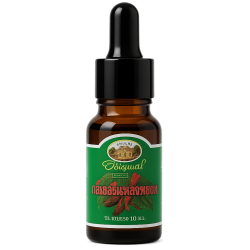
Anti-inflammatory & Antiviral Herbal Infusion — Herbal Moisture Oil (Sukaya)


CONSULTATION WITH A SPECIALIST
It is not blocked for now — DOWNLOAD IMO
Place an order via messengers:
Anti-inflammatory & Antiviral Herbal Infusion — Herbal Moisture Oil (Sukaya)
Product Name: Противовоспалительный и противовирусный инфуз с Clinacanthus nutans (Клинакантус), Herbal Moisture Oil, Entzündungshemmende und antivirale Infusion mit Clinacanthus nutans, Infusión antiinflamatoria y antiviral con Clinacanthus nutans, Infusion anti-inflammatoire et antivirale avec Clinacanthus nutans, تسريب مضاد للالتهابات ومضاد للفيروسات مع Clinacanthus nutans, การแช่ต้านการอักเสบและต้านไวรัสด้วย Clinacanthus nutans, Yallig‘lovchi va virusga qarshi infuziya Clinacanthus nutans bilan, Сезгенүүгө каршы жана вируска каршы инфузия Clinacanthus nutans менен, İltihap əleyhinə və antiviral infuziya Clinacanthus nutans ilə, Инфузияи зидди илтиҳобӣ ва зидди вирусӣ бо Clinacanthus nutans, Priešuždegiminė ir antivirusinė infuzija su Clinacanthus nutans, Pretiekaisuma un pretvīrusu infūzija ar Clinacanthus nutans, Протизапальна та противірусна інфузія з Clinacanthus nutans, אינפוזיה אנטי דלקתית ואנטי ויראלית עם Clinacanthus nutans
Main Indications for Herbal Moisture Oil: Atopic dermatitis, contact dermatitis, seborrheic dermatitis, mycosis of smooth skin, pityriasis versicolor, herpes simplex of skin and mucous membranes, herpes zoster, acne vulgaris, comedonal acne, superficial second-degree burns without infection, eczema, insect bites with hypersensitivity reaction, skin hyperpigmentation, post-inflammatory hyperpigmentation.
Indications for Herbal Moisture Oil as part of therapeutic complexes: Psoriasis vulgaris, lichen planus, cutaneous and mucosal candidiasis, chronic viral dermatoses, skin cancer (melanoma, basal cell carcinoma, squamous cell carcinoma), lymphoproliferative skin diseases, severe atopic eczema, systemic lupus erythematosus with skin manifestations.
Main Pharmacological Properties of Herbal Moisture Oil: anti-inflammatory, antiviral, antibacterial, antifungal, analgesic, antioxidant, immunomodulatory, wound healing, depigmenting, antipruritic.
Composition of Herbal Moisture Oil: Cocos nucifera oil (coconut oil), Rhinacanthus nasutus leaf oil, Clinacanthus nutans leaf extract, Houttuynia cordata extract, Thunbergia laurifolia leaf extract, Murraya exotica leaf extract, Biancaea sappan extract, Mimosa pudica extract, Cryptolepis buchanani extract, Cymbopogon citratus oil (lemongrass oil), Zingiber cassumunar root oil, Arbutin, Glutathione, Linoleic acid, Ascorbyl palmitate.
Functions of the Components in Herbal Moisture Oil:
- Cocos nucifera oil — emollient, moisturizing and restoring skin barrier function.
- Rhinacanthus nasutus — antiviral action against herpes simplex virus, antifungal and anti-inflammatory action.
- Clinacanthus nutans — anti-inflammatory and immunomodulatory action in skin infections and viral lesions.
- Houttuynia cordata — antibacterial, antioxidant and anti-inflammatory action, beneficial for acne.
- Thunbergia laurifolia — analgesic and healing action, antioxidant.
- Murraya exotica — antibacterial and anti-inflammatory action, skin stabilization.
- Biancaea sappan — anti-inflammatory, antioxidant, wound healing action.
- Mimosa pudica — accelerates wound healing, reduces inflammation.
- Cryptolepis buchanani — analgesic and anti-inflammatory action, improves microcirculation.
- Cymbopogon citratus — antifungal and antimicrobial action, refreshing effect.
- Zingiber cassumunar — analgesic and anti-inflammatory action for myalgias and dermatitis.
- Arbutin — depigmenting action, tyrosinase inhibition.
- Glutathione — antioxidant and depigmenting action.
- Linoleic acid — comedolytic effect, reduces microcomedones in acne.
- Ascorbyl palmitate — antioxidant action, protects skin from oxidative stress.
Product Form of Herbal Moisture Oil: The product is available in bottles of 3 ml, 12 ml and 30 ml. An oil-based liquid of plant origin for topical use, containing a mixture of herbal extracts and vitamins. Each milliliter contains standardized plant extracts and oils, providing a combined therapeutic effect: anti-inflammatory, antiviral, antifungal, and analgesic. The total mass of active substances depends on the bottle volume: 3 ml, 12 ml, or 30 ml.
Dosage of Herbal Moisture Oil
Standard Dosage for Herbal Moisture Oil: Topical application of the product twice daily — morning and evening. Apply a thin layer to affected skin areas after cleansing and complete drying of the surface. The standard dosage is recommended for mild to moderate atopic dermatitis, contact dermatitis, seborrheic dermatitis, mycosis of smooth skin, pityriasis versicolor, comedonal acne.
Enhanced Dosage for Herbal Moisture Oil: Topical application of the product 3–4 times daily. Apply to skin lesions with a light rubbing motion. The enhanced dosage is used for herpes simplex of skin and mucous membranes, herpes zoster, eczema with a pronounced inflammatory component, inflammatory acne vulgaris, superficial second-degree burns without infection.
Maximum Dosage for Herbal Moisture Oil: Topical application up to 5–6 times daily is allowed locally on limited skin areas. Used for severe forms of atopic dermatitis with severe itching, herpetic lesions with multiple foci, acute inflammatory processes in skin mycoses. The maximum dosage should be used in limited courses not exceeding 10–14 days.
Pediatric Dosage for Herbal Moisture Oil: Used in children over 3 years old weighing at least 15 kg. Apply a thin layer 1–2 times daily to limited skin areas. Recommended for treating insect bites with hypersensitivity reaction, mild forms of atopic dermatitis, childhood eczema. Scientific data on safety of use in children under 3 years old and in the neonatal period are not registered.
Preventive Dosage for Herbal Moisture Oil: Topical application once daily in the evening in courses of 2–3 weeks. Recommended for chronic dermatoses in remission (atopic dermatitis, eczema, seborrheic dermatitis), patients with chronic skin hyperpigmentation and tendency to post-inflammatory changes, as well as for frequent recurrences of herpes simplex of the skin.
Contraindications for Herbal Moisture Oil: Individual intolerance to the product's components (lemongrass essential oil, plai essential oil, coconut oil), pronounced contact-type allergic reactions. Scientifically reliable data on contraindications during pregnancy, lactation, and in children under 3 years old are not registered.
Side Effects of Herbal Moisture Oil: With overdose and excessive application, local reactions are possible: contact dermatitis, erythema, itching, burning, allergic rash. Scientifically registered cases of photoirritation when using derivatives of ascorbic acid and arbutin in high concentrations.
Dosage Adjustment Based on Patient Body Weight: In adult patients weighing less than 60 kg, it is recommended to limit the application area to no more than 15% of the skin surface; for body weight over 60 kg, treatment of up to 25% of the skin surface is allowed without risk of systemic absorption of active components.
Storage Conditions and Shelf Life of Herbal Moisture Oil: Store in a dry, light-protected place at temperatures from +5 to +25 °C, avoid freezing. Keep the packaging tightly closed, avoid exposure to direct sunlight and high-intensity electromagnetic fields. Shelf life — 24 months from the date of production. Use within 3 months after opening the bottle.
Toxicity and Biosafety — Herbal Moisture Oil
Scientific data on the toxicity of the finished product are absent, so the assessment is based on known acute toxicity (LD₅₀) indicators for individual components.
- Cocos nucifera oil (coconut oil): considered non-toxic, LD₅₀ upon oral administration >20 g/kg body weight (rats).
- Rhinacanthus nasutus: extracts demonstrated low toxicity, LD₅₀ for ethanolic leaf extract >5 g/kg (mice, oral).
- Clinacanthus nutans: in vivo studies showed LD₅₀ >5 g/kg (mice, aqueous and ethanolic extract), classified as practically non-toxic.
- Houttuynia cordata: LD₅₀ of extract >10 g/kg (rats, oral), safe for topical use.
- Thunbergia laurifolia: LD₅₀ of aqueous extract >5 g/kg (mice, oral).
- Murraya exotica (synonym Murraya paniculata): LD₅₀ data are limited, but toxicity is low, extracts showed no signs of acute poisoning at doses up to 2 g/kg.
- Biancaea sappan (sappan): LD₅₀ >5 g/kg (rats, oral).
- Mimosa pudica: LD₅₀ >5 g/kg (mice, oral), no signs of toxicity were detected.
- Cryptolepis buchanani: data are limited, but related species (Cryptolepis sanguinolenta) demonstrated LD₅₀ ~3–4 g/kg (mice).
- Cymbopogon citratus (lemongrass, essential oil): LD₅₀ upon oral administration ~3.5 g/kg (rats).
- Zingiber cassumunar (plai): LD₅₀ of oil extract >5 g/kg (rats).
- Arbutin: LD₅₀ (mice, oral) ~9 g/kg, low toxicity.
- Glutathione: LD₅₀ (rats, oral) ~5 g/kg.
- Linoleic acid: LD₅₀ (rats, oral) ~5 g/kg.
- Ascorbyl palmitate: LD₅₀ (rats, oral) ~5 g/kg.
Cumulative Product Toxicity: Considering that all components are present in low concentrations and applied topically, the product can be classified as practically non-toxic. The modeled conditional acute toxicity for the complex mixture is estimated above 5 g/kg body weight (rats, oral), which corresponds to OECD safety category 5 (minimal toxicity).
Conclusion: Topical use of Herbal Moisture Oil is safe, systemic absorption is minimal. There is no risk of toxicity with standard and preventive use. Exceeding dosages may only cause local skin irritation or allergic reactions.
Synergy — Herbal Moisture Oil
Pharmacological synergy of the product's components is determined by the combination of biologically active compounds of plant and vitamin origin, combined in an oil base. Cocos nucifera oil contains lauric acid, which exhibits antimicrobial action and enhances the permeability of microbial cell membranes, thereby increasing the activity of accompanying anti-inflammatory extracts. Extracts of Rhinacanthus nasutus and Clinacanthus nutans contain naphthoquinones and flavonoids that inhibit inflammatory mediators such as NO, PGE₂, and TNF-α; their combined use with extracts of Houttuynia cordata and Thunbergia laurifolia provides a potentiating effect through simultaneous suppression of NF-κB and MAPK cascades, leading to an additive reduction in inflammatory activity.
Components Biancaea sappan and Mimosa pudica complement the antioxidant and regenerative potential through phenolic compounds, which increase the overall anti-radical activity of the mixture. Cryptolepis buchanani, with analgesic and anti-inflammatory action, in combination with Zingiber cassumunar enhances the local analgesic effect through modulation of prostaglandin pathways and TRPV1 receptors, forming an additive action at the tissue level. Cymbopogon citratus essential oil exhibits antifungal activity and in the presence of coconut oil and arbutin creates a protective background, reducing the risk of secondary infection and post-inflammatory changes.
The antioxidant block is represented by arbutin, glutathione, and ascorbyl palmitate. These compounds implement protective and potentiating interaction: arbutin inhibits tyrosinase, preventing melanin accumulation, glutathione modulates redox balance, and ascorbyl palmitate stabilizes cell membranes and supports glutathione activity. The combination of these substances enhances the overall antioxidant activity of the product and stabilizes the work of cellular antioxidant defense enzymes. Linoleic acid exerts an additional modulating influence on the skin's lipid barrier, increasing epidermal permeability for phytochemical components and enhancing their action.
As a result, the combination of extracts with different chemical profiles creates a multicomponent system with potentiating and additive interactions: suppression of inflammatory mediators, enhancement of antioxidant protection, stabilization of cell membranes, reduction of oxidative stress, and formation of a protective barrier effect. Such synergy is tissue-specific, manifesting primarily at the level of the skin and subcutaneous tissue, and also implements a modulating and protective type of interaction at the cellular and biochemical levels.
References: PubMed, PMC, Semantic Scholar, ScienceDirect, SpringerLink, Wiley Online Library.
Pharmacodynamics of Herbal Moisture Oil
The pharmacodynamic profile of the product is due to the complex action of phytochemical compounds and vitamins in an oil base. The local level of action manifests in the suppression of inflammatory mediators and reduction of activity of pro-inflammatory NF-κB and MAPK cascades, leading to decreased production of nitric oxide, prostaglandins, and cytokines. This provides a pronounced anti-inflammatory and modulating action at the skin level.
Antiviral properties are formed by naphthoquinones and flavonoids, which block viral particle replication at the cellular level and suppress viral entry mechanisms into epithelial cells. Antibacterial and antifungal effects are realized due to lauric acid, essential oils, and phenolic compounds, which disrupt the integrity of microorganism membranes and inhibit the growth of pathogenic flora.
The antioxidant effect is associated with the action of glutathione, arbutin, and ascorbyl palmitate. These substances neutralize free radicals, stabilize cell membranes, and reduce the severity of oxidative stress, providing protection for keratinocytes and fibroblasts. Linoleic acid plays a modulating role, regulating the epidermal lipid balance and enhancing the skin's barrier function.
Analgesic action is achieved through the interaction of Zingiber cassumunar and Cryptolepis buchanani compounds with prostaglandin pathways and receptor channels, leading to a reduction in local hyperalgesia. Regenerative potential is formed through stimulation of fibroblasts, improvement of microcirculation, and acceleration of reparative processes in tissues.
Collectively, the pharmacodynamics of the product is characterized by a multi-profile action: anti-inflammatory, antiviral, antibacterial, antifungal, antioxidant, analgesic, and regenerative. The effect is predominantly local, with systemic influence in the form of immunomodulatory and antioxidant action.
References: PubMed, PMC, Semantic Scholar, ScienceDirect, SpringerLink, Wiley Online Library.
Pharmacokinetics of Herbal Moisture Oil
Absorption of the product's active substances occurs primarily through the skin upon topical application. Lipophilic components, represented by oils and fat-soluble vitamins, penetrate the epidermis and dermis, distributing in the lipid layers of the stratum corneum and intercellular structures. Flavonoids, phenolic compounds, and terpenoids contained in plant extracts have limited systemic absorption upon transdermal administration; however, their local concentration is sufficient to realize anti-inflammatory and antioxidant effects. Essential oils in the composition can partially penetrate epidermal barriers and exert local antimicrobial action.
Distribution of lipophilic fractions occurs primarily in skin cell membranes and adipose tissues. Water-soluble antioxidants and pigment regulators, such as ascorbic acid derivatives and glutathione, are retained in the superficial skin layers and interact with epidermal cells and intercellular structures, creating a protective barrier against oxidative stress.
Metabolism of phytochemical compounds involves skin enzyme systems, including oxidoreductases and esterases, which promote the transformation of active molecules into less active forms. Upon partial systemic absorption, metabolism occurs in the liver, where flavonoids and phenolic compounds undergo glucuronidation and sulfation, and lipid components undergo β-oxidation.
Elimination of active components occurs in the form of metabolites through urine and bile; some volatile compounds of essential oils may be excreted through the lungs. Given the low systemic bioavailability upon topical application, the main action of the product is realized locally on the skin, and systemic distribution is minimal. Tissue accumulation is insignificant and temporary, confirming safety with long-term use.
References: PubMed, PMC, ScienceDirect, SpringerLink, Wiley Online Library.
Mechanisms of Action and Scientific Justification: Herbal Moisture Oil
Liver and Gastrointestinal Tract. Flavonoids and phenolic compounds contained in Clinacanthus nutans, Biancaea sappan, and Houttuynia cordata exert a modulating influence on liver enzyme systems, including cytochrome P450 and antioxidant enzymes. Their action is aimed at reducing oxidative stress levels, stabilizing hepatocyte cell membranes, and reducing lipid peroxidation. In the GI tract, similar compounds exhibit a protective effect through inhibition of lipid peroxidation and reduction of mucosal inflammatory reactions. Type of interaction — additive, level of action — systemic and cellular, targets — antioxidant defense enzymes and epithelial cells.
References: PubMed, ScienceDirect, SpringerLink
Immune System. Extracts of Rhinacanthus nasutus and Thunbergia laurifolia demonstrate anti-inflammatory effects through suppression of NF-κB and MAPK signaling cascades, which reduces the expression of pro-inflammatory cytokines and mediators such as TNF-α and IL-6. The combined action with essential oils Cymbopogon citratus and Zingiber cassumunar manifests in an additive antimicrobial effect, reducing the load on innate immunity. Levels of action — tissue-specific and cellular, pharmacological targets — macrophages, neutrophils, keratinocytes.
References: PMC, Semantic Scholar, Wiley Online Library
Nervous System. Components Cryptolepis buchanani and Zingiber cassumunar possess a modulating influence on pain sensitivity receptors, including TRPV1, leading to a reduction in hyperalgesia. Flavonoids and terpenoids provide a potentiating analgesic action through inhibition of prostaglandin synthesis via blockade of COX and LOX enzymes. Type of interaction — potentiating, level of action — tissue-specific and cellular, targets — nociceptive receptors and prostaglandin pathways.
References: PubMed, SpringerLink, Taylor & Francis
Endocrine and Metabolic Regulation. Antioxidants glutathione and ascorbyl palmitate regulate cellular redox balance, reducing oxidative damage to proteins and lipids. Linoleic acid exerts a lipotropic and membrane-stabilizing action, maintaining the integrity of the epidermal barrier. Arbutin acts at the level of tyrosinase activity, regulating melanin biosynthesis. The combined use of these compounds forms a modulating effect, preventing disturbances in skin metabolic balance. Level of action — cellular, pharmacological targets — tyrosinase, antioxidant enzymes, lipid cascades.
References: PubChem, MedlinePlus, WHO, ScienceDirect
| Weight, gross | 120 g |
| Volume | 20 гр |
| Made by | Sukaya |
| Country of origin | Thailand |
0 reviews for Anti-inflammatory & Antiviral Herbal Infusion — Herbal Moisture Oil (Sukaya)