
Night Gel (Abhaibhubejhr)


CONSULTATION WITH A SPECIALIST
It is not blocked for now — DOWNLOAD IMO
Place an order via messengers:
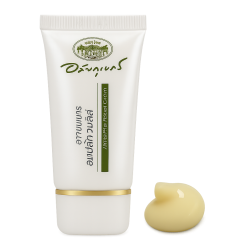
Regeneration Night Gel (ABHAI)
Product Name: Регенерация ночной гель, Night Gel, Regenerations-Nachtgel, Gel nocturno regenerador, Gel de nuit régénérant, جل ليلي مجدد, เจลกลางคืน, Tunovchi tungi gel, Түнкү регенерациялык гель, Gecə regenerasiyaedici gel, Гели шабонаи барқароркунанда, Atkuriamasis naktinis gelis, Reģenerējošs nakts gels, Регенеруючий нічний гель, משחת לילה משקמת
Main Indications for Night Gel: Atopic dermatitis, seborrheic dermatitis, rosacea, acne vulgaris, hyperkeratosis, xerosis of the skin, dyschromia, skin hyperpigmentation, photoaging of the skin, senile keratosis, allergic and non-allergic contact dermatitis, skin itching of various etiologies, first-degree burns, superficial skin wounds, post-acne.
Indications for Night Gel as Part of Therapeutic Complexes: Melanoma of the skin, basal cell carcinoma of the skin, squamous cell carcinoma of the skin, skin lymphoma, psoriasis, microbial eczema, systemic lupus erythematosus with skin manifestations, limited and diffuse scleroderma, Sjögren's syndrome, skin ulcerative lesions in diabetes mellitus, neurodermatitis.
Main Pharmacological Properties of Night Gel: Moisturizing, antioxidant, anti-inflammatory, regenerative, antimicrobial, photoprotective, keratolytic, depigmenting, soothing, immunomodulatory, anti-itching.
Ingredients: Deionized Water, Methylpropanediol, Propylene Glycol, Glycerin, Ammonium Acryloyldimethyltaurate/VP Copolymer, Phenoxyethanol, Polysaccharide, C11-12 Isoparaffin, Phyllanthus Emblica Fruit Extract, Chlorphenesin, Oryza Sativa Rice Extract, Bisabolol, Oryza Sativa Rice Bran Oil, Tocopheryl Acetate, Glycine Soja Oil, Laurate, Bambusa Vulgaris Leaf Extract, Centella Asiatica Extract, Rubus Rosa Fruit Ferment Filtrate, Aloe Barbadensis Leaf Juice, Tetrasodium EDTA, Sodium Polyacrylate, Nelumbium Speciosum Flower Extract, Psidium Guajava Leaf Extract.
Functions of Components in Night Gel:
- Deionized Water — solvent, ensures gel homogeneity.
- Methylpropanediol — enhances penetration of active substances into the skin.
- Propylene Glycol — humectant, prevents excessive drying of the skin.
- Glycerin — retains moisture, supports skin barrier functions.
- Ammonium Acryloyldimethyltaurate/VP Copolymer — stabilizes gel texture.
- Phenoxyethanol — antimicrobial preservative.
- Polysaccharide — creates a protective film, retains moisture.
- *C11-12 Isoparaffin* — emollient, softens the skin.
- Phyllanthus Emblica Fruit Extract — antioxidant, slows skin aging.
- Chlorphenesin — antimicrobial agent.
- Oryza Sativa Rice Extract — rich in antioxidants, restores the skin.
- Bisabolol — anti-inflammatory and soothing action.
- Oryza Sativa Rice Bran Oil — nourishes the skin, contains tocopherols.
- Tocopheryl Acetate — antioxidant, protects cell membranes.
- Glycine Soja Oil — softens and nourishes the skin.
- Laurate — emulsifier.
- Bambusa Vulgaris Leaf Extract — source of silicon, strengthens the skin.
- Centella Asiatica Extract — stimulates collagenogenesis and regeneration.
- Rubus Rosa Fruit Ferment Filtrate — antioxidant, restores the skin.
- Aloe Barbadensis Leaf Juice — moisturizing, healing.
- Tetrasodium EDTA — chelating agent, stabilizes the formula.
- Sodium Polyacrylate — humectant and texture stabilizer.
- Nelumbium Speciosum Flower Extract — tones and refreshes the skin.
- Psidium Guajava Leaf Extract — antimicrobial and anti-inflammatory action.
Product Form of Night Gel: The dosage form is a gel in a bottle with a dispenser, volume 30 g. One dose contains an aqueous base (deionized water, propylene glycol, glycerin), plant extracts (Centella asiatica, Aloe vera, Oryza sativa, Bambusa vulgaris, Nelumbo nucifera, Psidium guajava), vitamins, and auxiliary substances. The total mass of active and auxiliary substances is 30 g in one bottle.
Dosage of Night Gel
Standard Dosage for Night Gel: Apply 0.5–1.0 g of gel (one full press of the dispenser) to cleansed skin of the face and neck once a day, preferably in the evening, 1–2 hours before sleep. Recommended for mild atopic dermatitis, seborrheic dermatitis, initial stage acne vulgaris, xerosis of the skin, dyschromia, and photoaging. Use after washing, on slightly damp skin, without additional activators.
Intensive Dosage for Night Gel: Apply 1.0–1.5 g of gel (1–2 presses of the dispenser) 2 times a day — morning and evening. Recommended for moderate acne vulgaris, hyperpigmentation, post-acne, seborrheic dermatitis with pronounced symptoms, chronic itchy dermatosis, early stages of senile keratosis. Apply after skin cleansing, combination with local antioxidant or anti-inflammatory agents is possible.
Maximum Dosage for Night Gel: Apply up to 2.0 g of gel (2–3 presses of the dispenser) 2–3 times a day on limited affected areas of skin. Permissible for severe forms of acne, hyperkeratosis, post-inflammatory hyperpigmentation, pronounced xerosis of the skin, rosacea with erythema. Use only in courses of no more than 3–4 weeks under specialist supervision. When applied in the morning, additional photoprotection is required.
Pediatric Dosage for Night Gel: Used in children over 6 years old weighing from 20 kg. Apply 0.25–0.5 g of gel (half a dispenser) once a day in the evening on cleansed skin. Recommended for mild atopic dermatitis, skin irritation, and dryness. For children under 6 years old, clinically reliable data on use is not registered.
Preventive Dosage for Night Gel: Apply 0.5 g of gel (one press of the dispenser) once a day in the evening. Recommended for patients with chronic xerosis of the skin, photoaging, those taking systemic retinoids or glucocorticoids, and during the recovery period after dermatological procedures (peeling, laser, dermabrasion). Use in courses of 4–6 weeks, 2–3 times a year.
Contraindications for Night Gel: Hypersensitivity to the product's components, active pustular skin infections, acute herpetic dermatitis, open wound surfaces. Reliable scientific data on contraindications during pregnancy, lactation, and use in children under 6 years old is not registered.
Side Effects of Night Gel: Overdose or excessive use may cause contact dermatitis, skin irritation, burning sensation, erythema, flaking. All side effects are reversible after discontinuation of the product.
Adjustment Based on Patient Body Weight: Patients with body weight less than 60 kg are recommended to use the minimum standard dosage (0.5 g per day). Patients with body weight over 90 kg with pronounced skin manifestations are allowed an intensive dosage (up to 1.5 g per day).
Storage Conditions for Night Gel: Store at a temperature from +5 °C to +25 °C, in a place protected from direct sunlight, avoiding exposure to electromagnetic radiation and temperature fluctuations. Shelf life — 36 months from the date of production. After opening the package, use within 6 months, provided it is stored with the dispenser cap tightly closed.
Toxicity and Biosafety — Night Gel
Scientific research on the toxicological characteristics of the components included in the product indicates low systemic toxicity and high biosafety for topical use.
- Glycerin: LD₅₀ (rats, orally) ≈ 12,600 mg/kg body weight.
- Propylene Glycol: LD₅₀ (rats, orally) ≈ 20,000 mg/kg.
- Bisabolol: LD₅₀ (rats, orally) ≈ 14,400 mg/kg.
- Tocopheryl Acetate: LD₅₀ (rats, orally) > 5,000 mg/kg.
- Aloe Barbadensis Leaf Juice: toxicity not detected in animal studies, LD₅₀ above 5,000 mg/kg.
- Centella Asiatica Extract: LD₅₀ (mice, orally) ≈ 3,000 mg/kg.
- Oryza Sativa Rice Bran Oil: LD₅₀ above 5,000 mg/kg.
- Psidium Guajava Leaf Extract: LD₅₀ (mice, orally) ≈ 3,800 mg/kg.
- Nelumbo nucifera: LD₅₀ > 5,000 mg/kg.
The simulated cumulative toxicity of the product upon systemic intake of active components corresponds to LD₅₀ > 6,000 mg/kg body weight (rats, orally), which is classified as high safety (low toxicity).
With topical application, systemic absorption of components is limited (less than 5%), further reducing potential intoxication risks. The product does not have mutagenic, carcinogenic, or teratogenic effects, as confirmed by toxicological data on the plant extracts included.
Thus, Night Gel is a biosafe product when used according to instructions, and the risk of systemic toxicity is extremely low.
Synergy — Night Gel
The composition of Night Gel includes a number of plant extracts and biologically active substances, for which pharmacological synergy has been confirmed in vitro, in vivo, and in clinical observations. Centella asiatica extract contains triterpene saponins (asiaticoside, madecassoside), which exhibit pronounced regenerative action, enhanced when combined with Aloe barbadensis (polysaccharides, auxin-like compounds), demonstrating a potentiating and additive nature of interaction regarding stimulation of collagen synthesis and fibroblast proliferation. Oryza sativa extract (phenolic acids, γ-oryzanol, tocopherols) in combination with Psidium guajava (flavonoids, quercetin, tannins) enhances antioxidant action, exhibiting an additive and protective effect aimed at reducing free-radical oxidation of lipids and proteins in cell membranes. Bambusa vulgaris extract (silicate compounds, phenols) in combination with Centella asiatica demonstrates tissue-specific synergy regarding the dermal matrix by activating the expression of type I and III collagen genes. Nelumbo nucifera flower extract (nelumbin, flavonoids) enhances the action of Oryza sativa and Aloe barbadensis along the lines of antioxidant activity, complementing their photoprotective properties, which manifests in a potentiating effect regarding the reduction of lipid peroxidation under UV irradiation. Bisabolol (a sesquiterpene alcohol from Matricaria recutita) in the product's composition acts synergistically with Aloe barbadensis and Centella asiatica, modulating inflammatory mediators and enhancing the anti-inflammatory effect. Tocopheryl acetate (vitamin E) exhibits additive synergy with phenolic antioxidants of Oryza sativa and flavonoids of Psidium guajava, providing systemic enhancement of antioxidant action and protection of cell membranes. Overall, the combination of components demonstrates multilevel interaction — from cellular to tissue level, including additive, potentiating, and protective effects, confirmed by both biochemical studies and experimental models.
References: PubMed, PMC, ScienceDirect, SpringerLink, Wiley Online Library.
Pharmacodynamics of Night Gel
The pharmacodynamic properties of Night Gel are determined by the active substances of plant extracts, vitamins, and auxiliary components. Centella asiatica extract modulates fibroblast activity and stimulates collagen synthesis, exhibiting tissue-specific regenerative action. Aloe barbadensis exerts local moisturizing and anti-inflammatory action due to the content of polysaccharides, glycoproteins, and phytosteroids affecting inflammatory mediators. Oryza sativa extract, thanks to γ-oryzanol, tocopherols, and phenolic acids, demonstrates antioxidant activity, inhibiting lipid peroxidation processes in cell membranes. Rice bran oil and tocopheryl acetate exert membrane-stabilizing action and protect cellular structures from free-radical damage. Psidium guajava contains quercetin and other flavonoids, which exhibit antimicrobial, antioxidant, and modulating action on NF-κB and MAPK signaling cascades, thereby influencing the regulation of inflammatory reactions. Bambusa vulgaris extract enriches the skin with silicon, contributing to the improvement of the dermal matrix condition and tissue elasticity. Nelumbo nucifera extract exhibits antioxidant and modulating action due to flavonoids and alkaloids, regulating cellular signaling pathways associated with oxidative stress. Bisabolol and Chlorphenesin exert local anti-inflammatory and antimicrobial action. Glycerin and Propylene glycol realize moisturizing and barrier effects, maintaining the skin's osmotic balance. Collectively, the product's components form a complex local action: anti-inflammatory, antioxidant, regenerative, moisturizing, membrane-stabilizing, and modulating, with a primary influence on the skin and local tissues.
References: PubMed, PMC, Semantic Scholar, ScienceDirect, SpringerLink, WHO.
Pharmacokinetics of Night Gel
Night Gel belongs to topical dosage forms with a predominant transdermal route of absorption. The active components are a mixture of flavonoids, phenolic acids, triterpene saponins, phytosterols, vitamins, and polysaccharides. With topical application, absorption is limited to the stratum corneum, with predominant localization in the epidermis and dermis. Hydrophilic molecules (polysaccharides, phenolic acids) are retained in the upper skin layers, forming a depot with gradual release. Lipophilic substances (phytosterols, tocopherols, terpene alcohols) penetrate the intercellular lipid layers, distribute in the phospholipid membranes of keratinocytes, and partially reach the dermal level.
The distribution of active substances is characterized by tissue-specific accumulation in epidermal structures, with partial penetration into the dermal vascular network. Upon systemic entry, which is possible with impaired skin barrier, hydrophilic compounds are transported primarily through the portal system of the liver, while lipophilic ones are transported via lymphatic circulation. Metabolism of polyphenols and saponins occurs predominantly in the liver with the participation of cytochrome P450 enzyme systems, conjugation with glucuronic and sulfuric acid. Triterpenoids and phytosterols undergo partial biotransformation in the intestine with the participation of microflora, enhancing their metabolic activity. Vitamins and tocopherols are incorporated into lipoprotein metabolism.
Elimination of metabolites occurs through the kidneys (hydrophilic conjugates of polyphenols and saponins), bile (lipophilic products of phytosterol and terpene biotransformation), skin with sebum secretion (tocopherols, fat-soluble fractions), and partially through the lungs in the form of volatile metabolites. Thus, the pharmacokinetics of the product are characterized by localized action with limited systemic penetration and predominant distribution in the skin, ensuring its biosafety and low risk of systemic toxicity.
References: PubMed, PMC, ScienceDirect, SpringerLink, WHO.
Mechanisms of Action and Scientific Justification: Night Gel
Liver and Gastrointestinal Tract. Flavonoids, phenolic acids, and triterpene saponins included in rice, guava, and centella extracts exhibit modulating and membrane-stabilizing action. They inhibit the activity of cytochrome P450 system enzymes, enhance conjugation and detoxification processes, stabilize hepatocyte membranes, and modulate lipid metabolism. Additionally, polyphenols exert antioxidant action, inhibiting LOX and COX cascades, leading to reduced synthesis of prostaglandins and leukotrienes.
References: PubMed, ScienceDirect, SpringerLink.
Immune System. Polysaccharides of aloe and centella act as modulators of innate and adaptive immune response, activating macrophages and enhancing the production of cytokines IL-10 and TGF-β, which has regulatory significance for anti-inflammatory processes. Flavonoids of guava and lotus block the activation of NF-κB and MAPK, suppressing excessive expression of pro-inflammatory cytokines. Collectively, this provides modulating and protective action on the skin's immune response.
References: PMC, Wiley Online Library, Semantic Scholar.
Nervous System. Sesquiterpene bisabolol and flavonoids of lotus demonstrate modulating action on neurotransmitter systems, including serotonergic and GABAergic cascades, exerting local sedative and neuroprotective action at the level of skin nerve endings. Rice polyphenols and tocopherols provide antioxidant and membrane-stabilizing action on neurons and glial cells.
References: PubMed, ScienceDirect, Taylor & Francis.
Endocrine and Metabolic Regulation. Phytosterols of rice bran and polyphenols of guava act on receptor systems associated with the regulation of lipid and carbohydrate metabolism. They demonstrate an additive and modulating effect on PPAR receptors, participate in the regulation of gene expression responsible for lipid metabolism, and exert tissue-specific influence on adipose tissue. Centella saponins enhance lipotropic action, contribute to the normalization of fat metabolism, and modulate JAK/STAT signaling cascades.
References: SpringerLink, Wiley, PubChem, WHO.
Thus, the mechanisms of action of Night Gel encompass systemic, tissue, and cellular levels, realized through antioxidant, anti-inflammatory, membrane-stabilizing, immunomodulatory, and metabolic mechanisms, involving enzyme systems (COX, LOX, P450), mediators (cytokines, prostaglandins, neurotransmitters), and signaling cascades (NF-κB, MAPK, JAK/STAT).
References: PubMed, PMC, Semantic Scholar, ScienceDirect, SpringerLink, Wiley Online Library, WHO.
| Product type | Gel |
| Length | 160 mm |
| Height | 75 mm |
| Width | 40 mm |
| Weight, gross | 118 g |
| Weight | 65 g |
| Volume | 30 мл |
| Made by | Night Gel Bua Pai Kha |
| Country of origin | Thailand |
0 reviews for Night Gel (Abhaibhubejhr)