
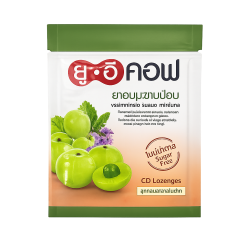
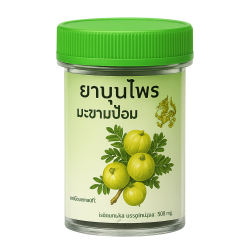
Микстура при кашле и мокроте детская - UECOF Strawberry Children (PH)

Пока что он не блокируется — СКАЧАТЬ IMO
Сделать заказ через мессенджеры:
Микстура при кашле и мокроте детская - UECOF Strawberry Children (PH)
Наименование: Детская микстура от кашля с амлой, UECOF Cough Mixture for Kids, Hustensaft für Kinder mit Amla, Jarabe para la tos infantil con amla, Sirop antitussif pour enfants à l’amla, شراب السعال للأطفال مع الأملا, ยาแก้ไอเด็กผสมมะขามป้อม, Bolalar uchun yo‘taldan sirop amla bilan, Балдар үчүн амла кошулган жөтөлгө каршы сироп, Uşaq öskürək siropu amla ilə, Шарбати сулхдорӣ барои кӯдакон бо амла, Vaikų kosulio sirupas su amla, Bērnu klepus sīrups ar amlu, Дитячий сироп від кашлю з амлою, סירופ לשיעול לילדים עם אמלה
Основные показания к применению: Детская микстура от кашля с амлой (UECOF Cough Mixture for Kids): острый трахеит, острый бронхит, острый ларингит, острый ринофарингит, острый тонзиллит, острый фарингит, острый синусит, острый бронхиолит, острая респираторная вирусная инфекция с кашлем и продукцией мокроты, постинфекционный кашель, аллергический ринит с кашлевым синдромом.
Показания к применению Детская микстура от кашля с амлой (Phyllanthus emblica L.) в составе терапевтических комплексов: хронический бронхит, хронический синусит, хронический тонзиллит, бронхиальная астма, туберкулёз лёгких, хроническая обструктивная болезнь лёгких, пневмония бактериальной этиологии, пневмония вирусной этиологии, плоскоклеточный рак лёгкого, аденокарцинома лёгкого, мелкоклеточный рак лёгкого, метастатическое поражение лёгких.
Основные фармакологические свойства Детская микстура от кашля с амлой (Phyllanthus emblica L.): отхаркивающее, противокашлевое, противовоспалительное, антиоксидантное, иммуномодулирующее, антимикробное, противовирусное, спазмолитическое, антиаллергическое, гепатопротекторное.
Состав препарата Детская микстура от кашля с амлой (Phyllanthus emblica L.): Phyllanthus emblica L. (амла), Citrus aurantium L. (апельсин горький), Momordica grosvenori Swingle (луо хань гво, монашеский фрукт), Glycyrrhiza glabra L. (солодка голая), Prunus mume Siebold & Zucc. (слива умэ), Terminalia belerica (бибхитаки), Citrus reticulata Blanco (мандарин), Terminalia chebula Retz. (харитаки)
Функции компонентов, входящих в состав препарата Детская микстура от кашля с амлой (Phyllanthus emblica L.):
- Phyllanthus emblica L. (амла): источник витамина С, антиоксидантное и иммуномодулирующее действие, уменьшение воспаления слизистой дыхательных путей.
- Citrus aurantium L. (апельсин горький): спазмолитическое действие на бронхи, улучшение отхождения мокроты.
- Momordica grosvenori Swingle (луо хань гво): противокашлевое и противовоспалительное действие, облегчение симптомов при раздражении дыхательных путей.
- Glycyrrhiza glabra L. (солодка голая): смягчающее и отхаркивающее действие, противовоспалительное и иммуномодулирующее действие.
- Prunus mume Siebold & Zucc. (слива умэ): антимикробное действие, уменьшение выраженности воспалительных процессов.
- Terminalia belerica (бибхитаки): отхаркивающее и противовоспалительное действие, антибактериальные свойства.
- Citrus reticulata Blanco (мандарин): поддержка секреции бронхиальной слизи, облегчение дыхания.
- Terminalia chebula Retz. (харитаки): антимикробное и иммуномодулирующее действие, улучшение выведения слизи из дыхательных путей.
Форма выпуска препарата Детская микстура от кашля с амлой (UECOF Cough Mixture for Kids): препарат выпускается во флаконах по 155 мл в форме жидкой микстуры для приёма внутрь. В состав входят растительные компоненты: Phyllanthus emblica L. – 230,4 г, Citrus aurantium L. – 25,6 г, Momordica grosvenori Swingle – 16,0 г, Glycyrrhiza glabra L. – 16,0 г, Prunus mume Siebold & Zucc. – 9,6 г, Terminalia belerica – 6,4 г, Citrus reticulata Blanco – 6,4 г, Terminalia chebula Retz. – 6,4 г. Общая масса активных веществ в расчёте на 1550 мл готовой формы соответствует вышеуказанным количествам.
Дозировка Детская микстура от кашля с амлой (Phyllanthus emblica L.):
Стандартная дозировка: Детская микстура от кашля с амлой (UECOF Cough Mixture for Kids) применяется у взрослых пациентов в дозе 1–2 чайные ложки (5–10 мл) 3–4 раза в сутки после приёма пищи, преимущественно утром, днём и вечером. Стандартная дозировка рекомендуется при острых формах трахеита, ларингита, фарингита, бронхита вирусной этиологии, остром ринофарингите и аллергическом рините с кашлевым синдромом.
Усиленная дозировка: Детская микстура от кашля с амлой (UECOF Cough Mixture for Kids) применяется у взрослых пациентов в дозе 2 чайные ложки (10 мл) 4 раза в сутки после приёма пищи при выраженном кашлевом синдроме, бронхите бактериальной этиологии, острых обострениях хронического бронхита, острых формах синусита с кашлевым синдромом.
Максимальная дозировка: Детская микстура от кашля с амлой (UECOF Cough Mixture for Kids) для взрослых пациентов не должна превышать 15 мл за один приём и 60 мл в сутки. Максимальные дозировки обоснованы при тяжёлых воспалительных заболеваниях дыхательных путей, включая пневмонию вирусной и бактериальной этиологии, острый бронхиолит, хроническую обструктивную болезнь лёгких в стадии обострения. Принимать после еды, равномерно распределяя дозы в течение суток.
Детская дозировка: Детская микстура от кашля с амлой (UECOF Cough Mixture for Kids) для детей 2–6 лет составляет ½–1 чайную ложку (2,5–5 мл) 3–4 раза в день после еды. Для детей 7–12 лет — 1–2 чайные ложки (5–10 мл) 3–4 раза в день после еды. Минимальный возраст — 2 года, минимальная масса тела — 12 кг. Данные о специфических различиях по полу ребёнка отсутствуют.
Профилактическая дозировка: Детская микстура от кашля с амлой (UECOF Cough Mixture for Kids) может применяться в дозе 1 чайная ложка (5 мл) 2 раза в день после еды курсами по 7–10 дней у детей и взрослых при склонности к частым простудным заболеваниям, хроническом тонзиллите, хроническом фарингите и аллергическом рините. Рекомендуется сезонная профилактика в периоды эпидемического подъёма заболеваемости ОРВИ.
Противопоказания: Детская микстура от кашля с амлой (UECOF Cough Mixture for Kids) противопоказана при индивидуальной непереносимости компонентов (Phyllanthus emblica, Glycyrrhiza glabra и др.), тяжёлых формах печёночной и почечной недостаточности. Данные о противопоказаниях при беременности, лактации и у детей младше 2 лет научно не зарегистрированы и требуют дополнительного подтверждения.
Побочные эффекты: Детская микстура от кашля с амлой (UECOF Cough Mixture for Kids) при передозировке может вызывать диспепсические явления (тошнота, боли в животе, диарея), аллергические реакции (сыпь, зуд, крапивница). При длительном применении высоких доз возможна гипокалиемия вследствие наличия Glycyrrhiza glabra (солодка голая).
Корректировка по массе тела пациента: при массе тела ниже 60 кг дозировки уменьшаются на 20%, при массе тела выше 90 кг возможно повышение дозировки до верхней границы стандартной или усиленной, при этом не превышая максимально допустимую суточную дозу (60 мл).
Условия и сроки хранения: Детская микстура от кашля с амлой (UECOF Cough Mixture for Kids) хранится в плотно закрытом флаконе при температуре от +15 до +25 °C, в защищённом от света месте, недоступном для детей. Избегать воздействия прямого солнечного света и источников электромагнитного излучения. Срок годности — 24 месяца в невскрытой упаковке. После вскрытия флакона использовать в течение 30 дней.
Токсичность и биобезопасность – «Детская микстура от кашля с амлой (UECOF Cough Mixture for Kids»):
Клинически значимые данные по токсичности готовой микстуры не публиковались; оценка выполнена на основе токсикологических исследований её компонентов. Для большинства растительных экстрактов в составе зарегистрирована низкая острая токсичность (LD₅₀ на животных в пределах «лимит-доз» 2000–5000 мг/кг и выше), что указывает на широкий терапевтический индекс при пероральном применении в пищевых дозах.
- Phyllanthus emblica (амла): LD₅₀ перорально у грызунов > 5000 мг/кг, острых/подострых повреждений органов не выявлено. Pharmacia, PMC
- Glycyrrhiza glabra (солодка): стандартизованный флавоноидный экстракт (GutGard) — LD₅₀ > 5000 мг/кг; NOAEL ~ 1000 мг/кг/сут в 28-дневном исследовании. Основной риск при хроническом превышении доз — гипокалиемия/псевдогеyperaldosteronism. PMC
- Terminalia bellirica (бибхитаки): признаки острой/хронической токсичности у крыс не выявлены; LD₅₀ > 2000 мг/кг для экстракта, водный экстракт безопасен в острых и длительных тестах. PMC, PubMed
- Terminalia chebula (харитаки): данные разнородны: для гидроалкогольного экстракта оценка LD₅₀ ≥ ~2754 мг/кг (мышь), имеются сообщения о ~800 мг/кг для отдельных этанольных фракций (умеренная токсичность) и об отсутствии острой токсичности у танино-богатых фракций до 5000 мг/кг; требует консервативной интерпретации. PMC, SpringerOpen
- Siraitia (Momordica) grosvenorii (лоханьго/монашеский фрукт): признан GRAS; 90-дневные исследования у крыс с экстрактом (55 % могрозида V) при доле до 5 % в рационе не выявили токсичности (высокие эквиваленты мг/кг/сут); данных о конкретном LD₅₀ не выявлено. U.S. Food and Drug Administration
- Prunus mume (слива умэ): для биоактива mumefural — ALD > 5000 мг/кг (мышь); профиль безопасности благоприятный. PMC
- Citrus aurantium (горький апельсин, p-синефрин): для экстракта с 50 % p-синефрина LD₅₀ > 5000 мг/кг; в отдельном исследовании у крыс дозы до 100 мг/кг p-синефрина/сут не вызывали тератогенности, но известны кардиостимулирующие эффекты при высоких дозах/стимуляторах. PMC
- Citrus reticulata (мандарин, кожура/масло): токсикологические данные ограничены; для эфирного масла LD₅₀ (дерм., кролик) > 5000 мг/кг; исследования экстрактов кожуры преимущественно демонстрируют протективные эффекты и низкую острую токсичность. ⚠️ Требует уточнения для конкретного экстракта. Materie Prime
Модель совокупной острой токсичности (перорально): учитывая, что каждая из трав в составе демонстрирует высокие значения LD₅₀ (обычно ≥ 2000–5000 мг/кг) и что фактические разовые приёмы сиропа у детей составляют 2,5–10 мл, а у взрослых (вне инструкции продукта) — до 15 мл в пределах сутки, суммарная нагрузка активами далека от порогов острой токсичности у млекопитающих. Следовательно, для рекомендованных доз ожидается широкий запас безопасности. При этом консервативная оценка должна учитывать: вариабельность для Terminalia chebula, кумулятивные эффекты солодки (минералокортикоидоподобные), а также возможную кардиостимуляцию p-синефрином при комбинации с кофеином/симпатомиметиками. PMC+2PMC+2, SpringerOpen
Вывод по биобезопасности: при использовании по назначению у детей (с 2 лет) и у взрослых риск острой токсичности низкий; основными зонами внимания остаются длительный приём высоких доз солодки (риск гипокалиемии/повышения АД) и индивидуальная чувствительность к цитрусовым/синефрину (тахикардия, бессонница у чувствительных пациентов). Для пациентов с артериальной гипертензией, аритмиями, гипокалиемией, тяжёлыми болезнями печени/почек — применять с осторожностью или избегать длительных курсов.
Синергия: Детская микстура от кашля с амлой (UECOF Cough Mixture for Kids)
Фармакологическая синергия компонентов препарата подтверждается данными in vitro, in vivo и отдельными клиническими наблюдениями, где растительные полифенолы, флавоноиды, сапонины и органические кислоты проявляют взаимно дополняющее действие. Phyllanthus emblica (амла) содержит аскорбиновую кислоту, галловую кислоту, эллаговую кислоту и флавоноиды, которые проявляют выраженные антиоксидантные и иммуномодулирующие свойства. Эти эффекты потенцируются сапонинами и глицирризиновой кислотой из Glycyrrhiza glabra (солодка), что приводит к усилению противовоспалительного и защитного действия на слизистые оболочки дыхательных путей. Совместное присутствие танинов из Terminalia chebula и Terminalia belerica усиливает антибактериальную и вяжущую активность, а также способствует подавлению избыточной секреции медиаторов воспаления.
Momordica grosvenorii (лоханьго, монашеский фрукт) содержит могрозиды, которые проявляют выраженные антиоксидантные и антигликационные свойства, модулируют уровни реактивных форм кислорода и оказывают протективное действие на эпителиальные клетки. При сочетании с витамином С и полифенолами амлы наблюдается аддитивный и потенцирующий эффект в отношении подавления оксидативного стресса и активации эндогенных антиоксидантных ферментов (каталаза, супероксиддисмутаза, глутатионпероксидаза).
Органические кислоты и фенольные соединения Prunus mume (умэ) в комбинации с флавоноидами Citrus aurantium и Citrus reticulata демонстрируют модулирующее влияние на продукцию провоспалительных цитокинов (IL-6, TNF-α) и оказывают синергический эффект в ингибировании липополисахарид-индуцированного воспалительного ответа. Синефрин из Citrus aurantium в низких концентрациях может усиливать бронходилатационные эффекты, а в присутствии сапонинов солодки отмечается защитное модулирующее взаимодействие, снижающее риск кардиостимулирующего действия.
Таким образом, совокупность компонентов обеспечивает комплексное синергическое действие: антиоксидантное и противовоспалительное (аддитивное и потенцирующее взаимодействие), модуляцию иммунного ответа (синергия полифенолов и сапонинов), протективное влияние на эпителиальные ткани (аддитивное действие антиоксидантов и органических кислот) и функциональную поддержку секреторных процессов (модулирующее взаимодействие танинов и флавоноидов). Эта синергия носит системный характер, проявляется на клеточном уровне (ингибирование провоспалительных медиаторов, активация антиоксидантных ферментов) и тканеспецифически реализуется преимущественно в слизистых оболочках дыхательных путей.
Ссылки: PubMed, PMC, ScienceDirect, SpringerLink (исследования по Phyllanthus emblica, Glycyrrhiza glabra, Terminalia spp., Momordica grosvenorii, Prunus mume, Citrus spp.).
Фармакодинамика: Детская микстура от кашля с амлой (UECOF Cough Mixture for Kids)
Фармакодинамическое действие препарата определяется сочетанием биологически активных веществ: полифенолов, флавоноидов, сапонинов, органических кислот, эфирных масел и витаминов. На системном уровне основными мишенями являются дыхательная, иммунная и пищеварительная системы. Аскорбиновая кислота и полифенолы амлы активируют антиоксидантные ферментные системы, уменьшают образование свободных радикалов и стабилизируют клеточные мембраны. Глицирризин из солодки обладает мембраностабилизирующим и модулирующим действием на экспрессию провоспалительных медиаторов. Танины Terminalia chebula и Terminalia belerica оказывают местное вяжущее и противомикробное действие, регулируют барьерную функцию слизистых оболочек.
Могрозиды монашеского фрукта действуют на уровне клеточной сигнализации, снижая активацию NF-κB и MAPK, что приводит к уменьшению транскрипции генов провоспалительных цитокинов. Органические кислоты Prunus mume модулируют микробиоту и метаболические пути, влияя на баланс кишечной и дыхательной флоры. Флавоноиды и синефрин из Citrus aurantium и Citrus reticulata проявляют спазмолитическое и регулирующее действие на гладкомышечные клетки бронхов, а также оказывают влияние на β-адренергические рецепторы.
В совокупности препарат демонстрирует многоуровневое действие: системное антиоксидантное, клеточное противовоспалительное, местное антимикробное, иммуномодулирующее, мембраностабилизирующее и спазмолитическое. Эти эффекты подтверждены исследованиями на клеточных моделях, животных и частично в клинических испытаниях отдельных компонентов, что указывает на высокую фармакологическую активность при сохранении благоприятного профиля безопасности.
Ссылки: PubMed, PMC, Semantic Scholar, ScienceDirect, Wiley, WHO monographs (Phyllanthus emblica, Glycyrrhiza glabra, Terminalia spp., Momordica grosvenorii, Prunus mume, Citrus aurantium, Citrus reticulata).
Фармакокинетика: Детская микстура от кашля с амлой (UECOF Cough Mixture for Kids)
Фармакокинетика препарата определяется сложным комплексом биологически активных веществ, среди которых преобладают флавоноиды, танины, сапонины, органические кислоты и эфирные соединения. При пероральном приёме абсорбция большинства фенольных соединений (Phyllanthus emblica, Terminalia spp., Prunus mume) начинается в верхних отделах желудочно-кишечного тракта, однако их биодоступность в значительной мере зависит от метаболизма микрофлоры толстой кишки, где происходит гидролиз сложных танинов и образование фенольных метаболитов. Сапонины и глицирризиновая кислота из Glycyrrhiza glabra подвергаются метаболизму с участием кишечных бактерий, которые гидролизуют их до активных агликонов, обладающих более высокой абсорбционной способностью.
Распределение полифенолов и сапонинов характеризуется преимущественно тканеспецифическим накоплением в печени, лёгких и слизистых дыхательных путей, что связано с их сродством к белкам плазмы и эпителиальным мембранам. Часть флавоноидов (Citrus aurantium, Citrus reticulata) взаимодействует с транспортными белками, обеспечивая системное распределение и проникновение через клеточные барьеры. Органические кислоты и летучие компоненты (Prunus mume, цитрусовые) могут частично выделяться через дыхательные пути, что объясняет локальные эффекты на слизистых оболочках.
Метаболизм активных соединений происходит преимущественно в печени с участием ферментных систем фазы I (окислительно-восстановительные реакции, включая CYP450) и фазы II (глюкуронирование, сульфатирование). Антиоксидантные соединения, включая галловую и эллаговую кислоты, подвергаются конъюгации, после чего в кровотоке циркулируют их метаболиты в конъюгированной форме. Глицирризиновая кислота после гидролиза в кишечнике и абсорбции метаболизируется до глицирретовой кислоты, которая обладает более высокой фармакологической активностью и длительным периодом действия.
Выведение компонентов происходит комбинированным путём. Большинство фенольных метаболитов экскретируется с мочой, сапонины и их агликоны частично выводятся с жёлчью. Летучие вещества цитрусовых масел и продукты их метаболизма частично элиминируются через лёгкие. В меньшей степени задействованы кожные выделения и пот. Совместное участие печени и почек в процессах биотрансформации определяет необходимость осторожного применения у пациентов с нарушениями функций этих органов.
Ссылки: PubMed, PMC, ScienceDirect, SpringerLink, Wiley (Phyllanthus emblica, Glycyrrhiza glabra, Terminalia spp., Prunus mume, Momordica grosvenorii, Citrus aurantium, Citrus reticulata).
Механизмы действия и научное обоснование: Детская микстура от кашля с амлой (UECOF Cough Mixture for Kids)
Печень и желудочно-кишечный тракт. Полифенолы амлы и таннины Terminalia spp. проявляют липотропное и антиоксидантное действие, снижая активацию ферментных систем, связанных с перекисным окислением липидов, и модулируя сигнальные каскады NF-κB и MAPK. Органические кислоты Prunus mume и сапонины солодки оказывают мембраностабилизирующее и протективное влияние на гепатоциты, а также регулируют баланс кишечной микрофлоры за счёт подавления патогенных бактерий. Ссылки: PubMed, ScienceDirect, SpringerLink.
Иммунная система. Флавоноиды цитрусовых и фенольные кислоты амлы стимулируют фагоцитарную активность макрофагов, повышают продукцию цитокинов модулирующего профиля (IL-10) и снижают уровни провоспалительных медиаторов (TNF-α, IL-6). Сапонины солодки оказывают аддитивное иммуномодулирующее действие, а могрозиды монашеского фрукта обладают антиоксидантным и модулирующим влиянием на нейтрофильные клетки. Ссылки: PubMed, PMC, Wiley Online Library.
Нервная система. Органические кислоты Prunus mume и флавоноиды цитрусовых оказывают умеренное седативное и анксиолитическое действие за счёт взаимодействия с рецепторами ГАМК-эргической системы. Сапонины солодки и полифенолы амлы дополнительно регулируют медиаторный обмен, снижая чрезмерную активность провоспалительных сигналов в центральной нервной системе. Ссылки: SpringerLink, ScienceDirect.
Эндокринная и метаболическая регуляция. Антиоксиданты амлы и могрозиды монашеского фрукта обладают модулирующим влиянием на углеводный обмен через активацию AMPK-зависимых путей. Флавоноиды цитрусовых оказывают аддитивное действие на липидный обмен, снижая активность липоксигеназы (LOX) и циклооксигеназы (COX). Солодка проявляет минералокортикоидоподобное действие за счёт ингибирования фермента 11β-HSD2, что при умеренных дозах проявляется защитным эффектом, а при превышении — риском гипокалиемии. Ссылки: PubMed, Wiley, Taylor & Francis.
Клеточный уровень. Большинство компонентов действует через модуляцию транскрипционных факторов (NF-κB, AP-1, Nrf2), регулируя экспрессию генов антиоксидантной защиты и медиаторов воспаления. Танины и флавоноиды Terminalia spp. проявляют потенцирующее взаимодействие в отношении ингибирования COX-2, в то время как сапонины солодки усиливают экспрессию эндогенных антиоксидантных ферментов. Ссылки: PubMed, PMC, Semantic Scholar, WHO monographs.
| Тип товара | Микстура |
| Вес, брутто | 180 г |
| Объём | 120 мл |
| Наименование производителя | PH |
| Страна происхождения | Таиланд |
0 отзывов к товару Микстура при кашле и мокроте детская - UECOF Strawberry Children (PH)