
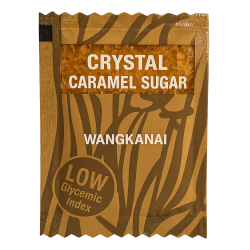
Organic Cane Sugar 40 x 8 g (Wangkanai)


CONSULTATION WITH A SPECIALIST
It is not blocked for now — DOWNLOAD IMO
Place an order via messengers:
Organic Cane Sugar 40 x 8 g (Wangkanai)
Product Name: Органический тростниковый сахар, Saccharum officinarum, Organic Cane Sugar, Bio Rohrzucker, Sucre de canne biologique, Azúcar de caña orgánico, น้ำตาลอ้อยออร์แกนิค (Wangkanai), شكر قصب عضوي
Synonyms: cane sugar, food sugar, white sugar, brown sugar, table sugar.
Parts Used: juice from sugarcane stems (Saccharum officinarum), cane juice.
Nutritional Value: carbohydrates (glucose, fructose, sucrose), trace amounts of protein, potassium, calcium, magnesium, iron, zinc, B vitamins (B1, B2, B3 in small amounts).
Main Beneficial Properties: quick energy replenishment, support for brain function, improved absorption of certain medications, mild antioxidant effect (in unrefined forms), support for muscle function during physical exertion.
Beneficial for Conditions: hypoglycemia, asthenia, cachexia, post-intensive physical exertion, chronic fatigue syndrome (as part of a balanced diet).
Contraindicated for Conditions: diabetes mellitus, obesity, metabolic syndrome, dental caries, gout, chronic renal failure.
Culinary Use: sweetener for beverages, baking, confectionery, marinades, sauces, desserts, syrups, caramel.
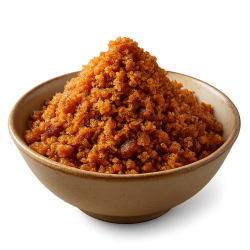
Forms and Processed Products: sachet sugar, granulated sugar, crystalline sugar, brown cane sugar, molasses, treacle.
Geography of Use and Dietary Traditions
Cane sugar is one of the oldest sweeteners in human history. The birthplace of sugarcane is considered to be South and Southeast Asia, where it was cultivated as early as 3,000 BC. In India and Thailand, cane juice is traditionally consumed fresh as a cooling drink. In China and Indochina countries, it was used to make syrups and sweet sauces. In the Arab world, cane sugar became the basis for oriental sweets and spread to Europe in the Middle Ages through Arab traders. In Latin America and the Caribbean, cane sugar became a staple of national cuisines — used in making rum, syrups, candies, and caramel. Today, organic cane sugar is especially valued in countries with high dietary standards as an alternative to refined sugar due to its preserved natural micronutrients and lesser processing.
Toxicity and Food Safety
Organic Cane Sugar is considered a safe food product when consumed in moderation. Negative consequences are possible with excessive consumption — obesity, metabolic disorders, development of dental caries. It does not cause allergic reactions to sucrose; however, the product is contraindicated in diabetes and a number of chronic diseases.
Product Composition: Organic Cane Sugar 100%
Culinary Recipes with Organic Cane Sugar
Recipe 1. Thai Iced Tea with Milk (Cha Yen)
- Ingredients: black tea 10 g, water 250 ml, condensed milk 50 ml, milk 50 ml, Organic Cane Sugar (Wangkanai) 20 g, ice 150 g.
- Preparation method: boil water and brew tea at 95°C for 5 minutes. Strain, add Organic Cane Sugar and stir thoroughly until completely dissolved. Fill a tall glass with ice, pour in the tea, then top with condensed milk and milk. Stir before drinking.
- Nutritional value per serving: 220 kcal, protein 6 g, fat 6 g, carbohydrates 38 g.
- Culinary features: a traditional Thai beverage popular throughout the country, especially at street markets and cafes.
Recipe 2. French Crème Caramel
- Ingredients: milk 500 ml, eggs 4 pcs. (approx. 220 g), vanilla pod 1 pc., Organic Cane Sugar (Wangkanai) 120 g, water 50 ml.
- Preparation method: prepare caramel — in a saucepan, melt 70 g of sugar with water at 160°C until golden brown, pour into molds. In a separate pot, heat milk with vanilla to 80°C, then cool to 40°C. Whisk eggs with the remaining sugar, pour in the warm milk, and mix thoroughly. Pour the mixture into the molds over the caramel. Cook in a water bath in the oven at 150°C for 40–45 minutes. Cool and refrigerate for 3–4 hours.
- Nutritional value per serving: 280 kcal, protein 8 g, fat 9 g, carbohydrates 40 g.
- Culinary features: a French cuisine dessert widely popular in Europe and Latin America, also known as flan.
| Length | 45 mm |
| Height | 65 mm |
| Width | 210 mm |
| Weight, gross | 382 g |
| Weight | 320 g |
| Made by | Wangkanai |
| Country of origin | Thailand |
.png)
0 reviews for Organic Cane Sugar 40 x 8 g (Wangkanai)