
Organic Thai Hom Mali Red Rice (GN)


CONSULTATION WITH A SPECIALIST
It is not blocked for now — DOWNLOAD IMO
Place an order via messengers:
Organic Thai Hom Mali Red Rice (GN)
Product Name: Рис красный жасминовый органический, Oryza sativa L. var. indica (Thai Hom Mali Red Rice), Organic Thai Hom Mali Red Rice, Organischer Thai Hom Mali Roter Reis, Riz Rouge Jasmin Thaï Bio, Arroz Rojo Jazmín Orgánico de Tailandia, ข้าวหอมมะลิแดงออร์แกนิก
Synonyms: Red Jasmine Rice, Red Thai Rice, Organic Red Aromatic Rice.
Used Parts: grain, bran, hull, germ.
Nutritional Value of the Product: carbohydrates, proteins, fats, dietary fiber, iron, magnesium, potassium, zinc, B vitamins, vitamin E, anthocyanins.
Main Beneficial Properties of the Product: antioxidant action, improves digestion, reduces cholesterol levels, supports the cardiovascular system, prevention of type 2 diabetes, strengthens immunity.
Beneficial for Diseases: hyperlipidemia, type 2 diabetes mellitus, arterial hypertension, metabolic syndrome, obesity, iron-deficiency anemia, chronic constipation.
Contraindicated in Diseases: celiac disease, grain allergy, gout, chronic renal failure.
Culinary Use: side dishes, soups, pilafs, desserts, porridges, steamed dishes, dishes with vegetables and meat, salads, snacks.
Forms and Processed Products: whole grain, groats, flour, flakes, bran.
Geography of Use and Dietary Traditions
Red rice is a traditional food product in Southeast Asia, especially in Thailand and Laos. In Thailand, the Hom Mali variety has received the status of a national cultural product and is protected by geographical indication. The red variant of Hom Mali is used in the traditional cuisine of the northeastern Isaan region, where rice is the main source of energy and a symbol of prosperity. In the culture of Thai farmers, red-colored rice is associated with harvest festivals and thanksgiving rituals. In Laos and Cambodia, red rice was traditionally used in fermented products and sweet snacks. In Europe and America, organic red jasmine rice has become popular in recent decades due to the organic farming and fair trade movements. Today, it is used as an element of healthy eating, as well as in the ethnic cuisine of restaurants.
Toxicity and Food Safety
The product is safe for consumption, does not contain gluten in the classical sense, but contains proteins that cause reactions in individuals with celiac disease. Antinutrients are represented by phytic acid and tannins, which can reduce mineral absorption, but their concentration decreases with proper heat treatment. Allergic reactions are extremely rare.
Ingredients: 100% whole grain organic red jasmine rice
Organic Rice and Its Difference from Conventional Rice
Organic rice is a product grown under strict control without the use of synthetic fertilizers, pesticides, herbicides, and chemical growth stimulants. Its production adheres to international organic farming standards, which involve preserving biodiversity, soil fertility, and minimizing environmental impact.
Conventional rice, which constitutes the majority of global production, is typically grown using mineral fertilizers, insecticides, and herbicides. These methods allow for higher yields and reduce production costs; however, in the long term, they can have a negative impact on ecosystems and soils, as well as increase the risks of residual chemical content in the final product.
Key Differences between Organic and Conventional Rice:
- Growing Methods. Organic rice is cultivated without agrochemicals, using green manure, compost, and natural plant protection methods. Conventional rice relies on intensive use of chemical agents.
- Grain Quality. Organic rice retains a richer micronutrient profile, features a natural aroma and soft texture. Conventional rice may lose some nutrients due to chemical treatment.
- Health Impact. Organic rice does not contain residual traces of pesticides and is preferable for people with sensitive digestion, children, and those who adhere to a healthy diet. Conventional rice is not considered dangerous with systematic consumption, but may contain trace amounts of agrochemicals.
- Environmental Aspect. Organic production supports natural ecosystems and biodiversity, and also contributes to reducing the carbon footprint. Conventional intensive rice farming is often associated with soil degradation and high water consumption.
- Certification and Price. Organic rice undergoes international certification (e.g., EU Organic, USDA Organic, Fair Trade), which confirms its origin and quality. Conventional rice does not require such certifications and is available at a lower price.
Conclusion: Organic rice is a choice in favor of environmentally sustainable agriculture, a safe product, and a richer flavor. Although its cost is higher compared to conventional rice, more and more consumers worldwide are choosing the organic option as part of healthy eating and a conscious lifestyle.
Culinary Recipes with Organic Red Jasmine Rice
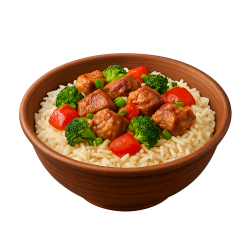
Recipe 1. Thai Red Rice with Chicken and Vegetables
- Ingredients: 200 g Organic Red Jasmine Rice, 250 g chicken breast, 100 g carrot, 150 g broccoli, 50 g shallot, 10 g garlic, 30 ml soy sauce, 15 ml sesame oil, salt to taste, 400 ml water.
- Preparation method: Rinse rice and boil in water for 30–35 minutes. Chop chicken breast and fry with garlic and shallot, add vegetables, simmer for 7–10 minutes. Mix with rice and season with sesame oil.
- Nutritional value per serving: 420 kcal, protein 29 g, fat 12 g, carbohydrates 54 g per serving.
- Culinary features: A common dish in Thai households, combining traditional vegetables with aromatic Hom Mali rice.
Recipe 2. Thai Rice with Coconut Milk and Mango
- Ingredients: 150 g Organic Red Jasmine Rice, 250 ml coconut milk, 40 g palm sugar, a pinch of salt, 200 g mango.
- Preparation method: Boil rice in water (300 ml) until soft. Add coconut milk, sugar, and salt, simmer for 10 minutes. Serve with mango slices.
- Nutritional value per serving: 330 kcal, protein 6 g, fat 10 g, carbohydrates 55 g per serving.
- Culinary features: A traditional Thai dessert "Khao Niao Mamuang" in a healthier version with red rice.
Recipe 3. Indian Spiced Rice Pulao
- Ingredients: 200 g Organic Red Jasmine Rice, 150 g boiled chickpeas, 100 g onion, 100 g carrot, 30 g ghee, 5 g turmeric, 5 g cumin, 2 g cinnamon, salt to taste, 400 ml water.
- Preparation method: Rinse rice and soak for 30 minutes. In a pot, heat ghee, add spices and fry onion. Add carrot and chickpeas, stir. Add rice, add water, cook over low heat for 30 minutes.
- Nutritional value per serving: 380 kcal, protein 12 g, fat 11 g, carbohydrates 56 g per serving.
- Culinary features: An adaptation of Indian "pulao" using anthocyanin-enriched red rice.
Recipe 4. Mediterranean Salad with Red Rice
- Ingredients: 200 g Organic Red Jasmine Rice, 50 g olives, 80 g sun-dried tomatoes, 100 g fresh cucumber, 30 ml olive oil, 15 ml lemon juice, 10 g fresh basil, salt to taste.
- Preparation method: Boil rice until done, cool. Chop vegetables and herbs, mix with rice, dress with olive oil and lemon juice.
- Nutritional value per serving: 310 kcal, protein 7 g, fat 13 g, carbohydrates 42 g per serving.
- Culinary features: A light Mediterranean dish, popular in Italy and Greece, rich in antioxidants.
Recipe 5. Dessert "Red Rice Pudding with Cinnamon"
- Ingredients: 150 g Organic Red Jasmine Rice, 400 ml milk, 50 g sugar, 5 g ground cinnamon, 2 ml vanilla extract, 50 ml cream.
- Preparation method: Cook rice in milk until soft (30–35 minutes), add sugar, cinnamon, and vanilla, stir. Cool and serve with whipped cream.
- Nutritional value per serving: 280 kcal, protein 7 g, fat 8 g, carbohydrates 46 g per serving.
- Culinary features: A European version of rice pudding using polyphenol-enriched red rice.
Recipe 6. Dessert "Energy Balls with Red Rice"
- Ingredients: 100 g Organic Red Jasmine Rice (cooked), 100 g dates, 50 g almonds, 20 g cocoa powder, 20 g honey.
- Preparation method: Grind all ingredients in a blender until paste-like. Form balls and roll in cocoa. Chill in the refrigerator for 1 hour.
- Nutritional value per serving: 250 kcal, protein 6 g, fat 9 g, carbohydrates 38 g per serving.
- Culinary features: A modern no-bake dessert, popular in vegan cuisine and fitness nutrition.
| Length | 150 mm |
| Height | 40 mm |
| Width | 130 mm |
| Weight, gross | 1024 g |
| Weight | 1 kg |
| Made by | GN |
| Country of origin | Thailand |
.png)
0 reviews for Organic Thai Hom Mali Red Rice (GN)