
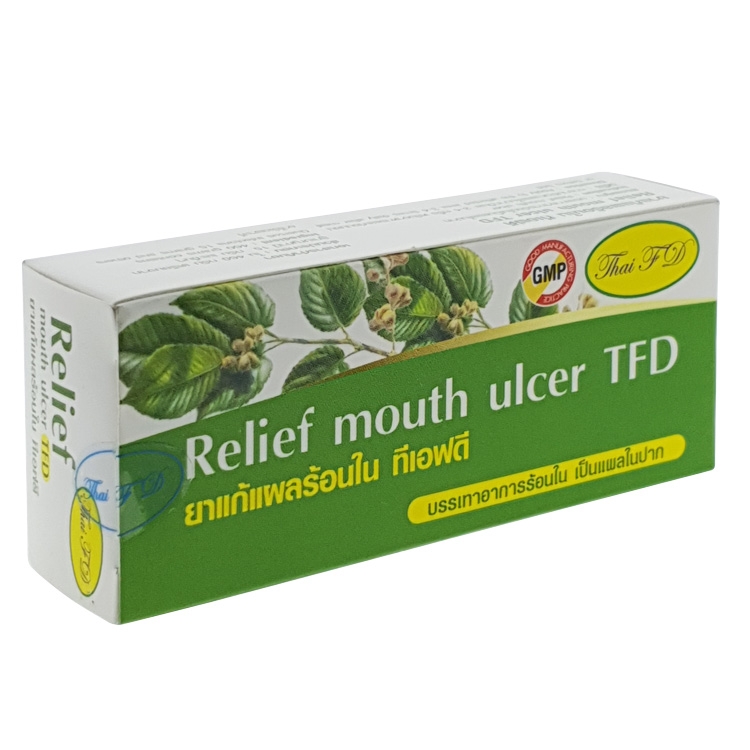
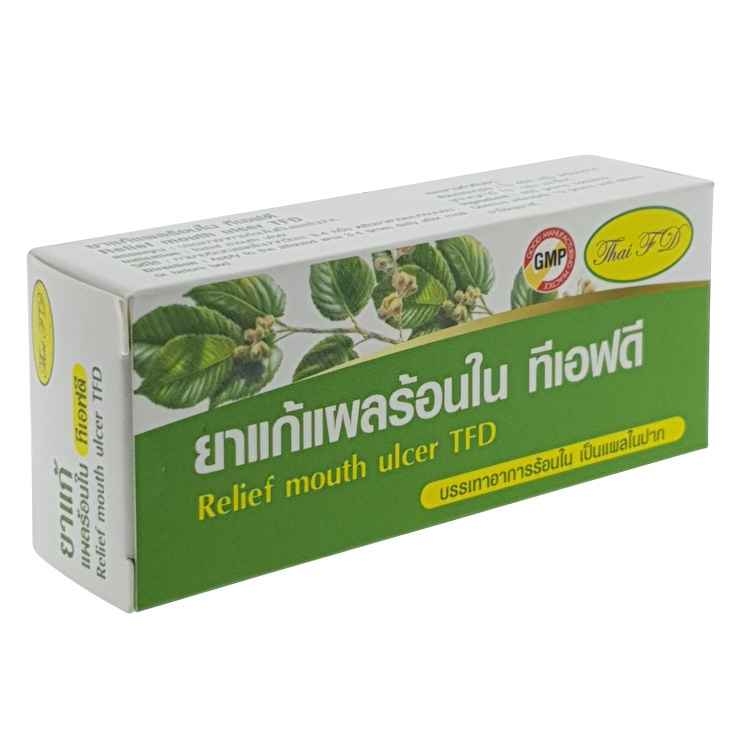
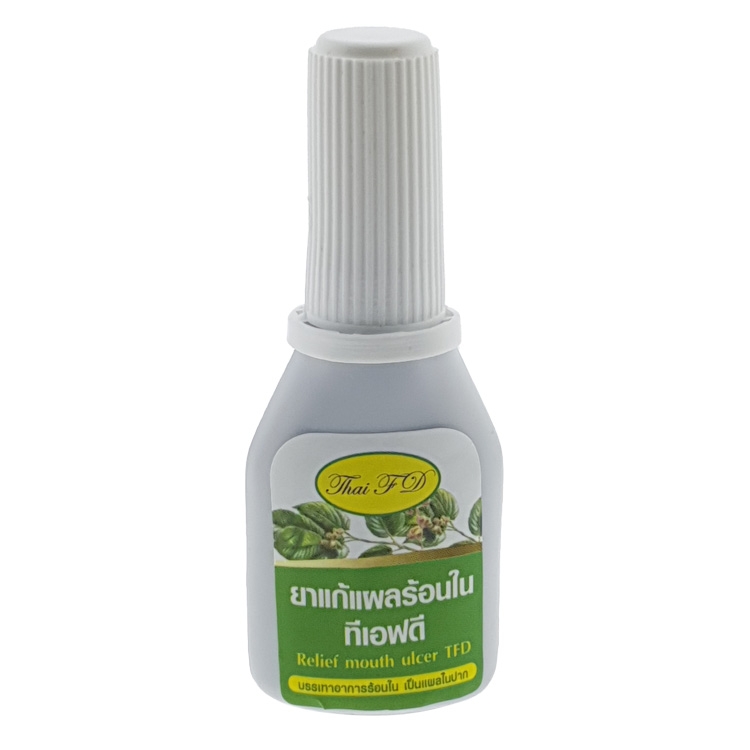
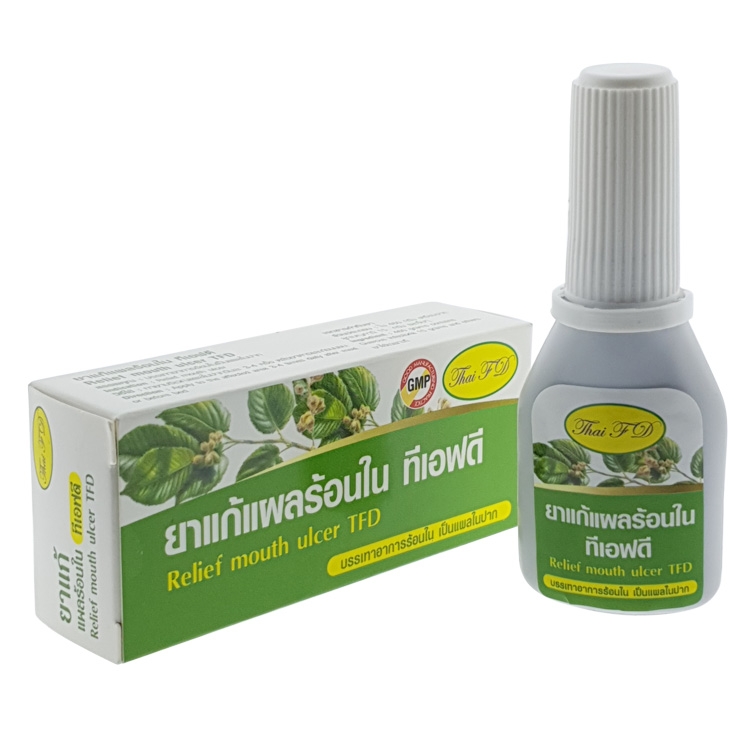
Relief Mouth Ulcer Powder (Thai FD)
CONSULTATION WITH A SPECIALIST
It is not blocked for now — DOWNLOAD IMO
Place an order via messengers:
Relief Mouth Ulcer (TFD)
Product Name: Язвы полости рта порошок, Relief Mouth Ulcer, Pulver gegen Mundgeschwüre, Polvo para Úlceras Bucales, Poudre pour Ulcères Buccaux, مسحوق قرحة الفم, ยาผงสำหรับแผลในปาก, Ogʻiz yarasi uchun kukun, Ооз көңдөйүнүн жарасына арналган порошок, Ağız xorası üçün toz, Порошок барои захмҳои даҳон, Milteli preparatas burnos opos gydymui, Pulveris mutes čūlu ārstēšanai, Порошок для лікування виразок у ротовій порожнині, אבקה לריפוי כיבי פה
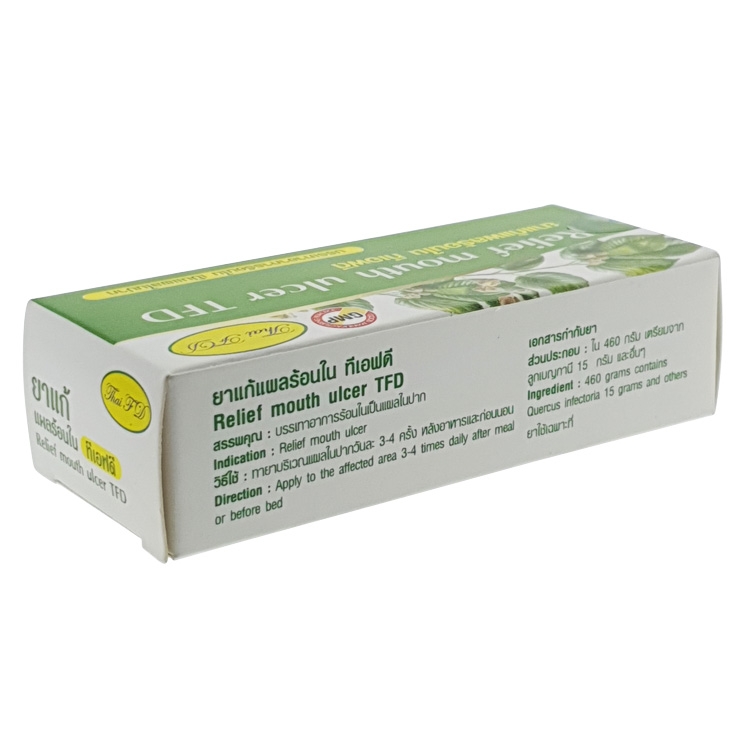
Main Indications for Relief Mouth Ulcer: Recurrent aphthous stomatitis, traumatic oral mucosal ulcer, catarrhal gingivitis, initial stage chronic marginal periodontitis, oral mucosal candidiasis, oral mucositis due to chemotherapy, oral mucositis due to radiation therapy.
Indications for Relief Mouth Ulcer as Part of Therapeutic Complexes: Sjögren's syndrome, oral mucosal leukoplakia, oral mucosal squamous cell carcinoma, salivary gland adenocarcinoma, herpetic stomatitis, erosive-ulcerative form of oral lichen planus.
Main Pharmacological Properties of Relief Mouth Ulcer: Antimicrobial, antibacterial, antifungal, anti-inflammatory, astringent, antioxidant, analgesic, wound-healing, immunomodulatory, anti-biofilm, reparative.
Composition of Relief Mouth Ulcer: Quercus infectoria (oak galls), Kaempferia galangal (galangal), Vetiveria zizanioides (vetiver root), Myristica fragrans (nutmeg), Pterocarpus santalinus (red sandalwood), Houttuynia cordata (heartleaf), Pogostemon cablin (patchouli), Mimusops elengi (bakula), Mesua ferrea (ironwood), Saraca indica (Indian ashoka), Nelumbo nucifera (lotus), Curcuma aromatica (aromatic turmeric), Rhinacanthus nasutus (snakeroot).
Functions of the Components in Relief Mouth Ulcer:
- Quercus infectoria — provides astringent, antimicrobial, and epithelialization-accelerating effects.
- Kaempferia galanga — reduces inflammation and pain, accelerates healing of mucosal ulcers.
- Vetiveria zizanioides — exhibits antioxidant and cooling properties, reduces inflammation.
- Myristica fragrans — exerts antimicrobial and antioxidant effects, inhibits Streptococcus mutans growth.
- Pterocarpus santalinus — an astringent and anti-inflammatory agent, supports tissue repair.
- Houttuynia cordata — anti-biofilm and anti-candidal action, reduces levels of pro-inflammatory cytokines.
- Pogostemon cablin — an aromatic agent, prevents bacterial infection of ulcers.
- Mimusops elengi — strengthens gums and mucosa, has an astringent effect.
- Mesua ferrea — possesses antimicrobial and anti-inflammatory properties.
- Saraca indica — an astringent and wound-healing agent, suppresses mucosal inflammation.
- Nelumbo nucifera — antioxidant and regenerative action, promotes epithelialization.
- Curcuma aromatica — a pronounced anti-inflammatory and wound-healing component.
- Rhinacanthus nasutus — antifungal and antibacterial agent, modulates immune response.
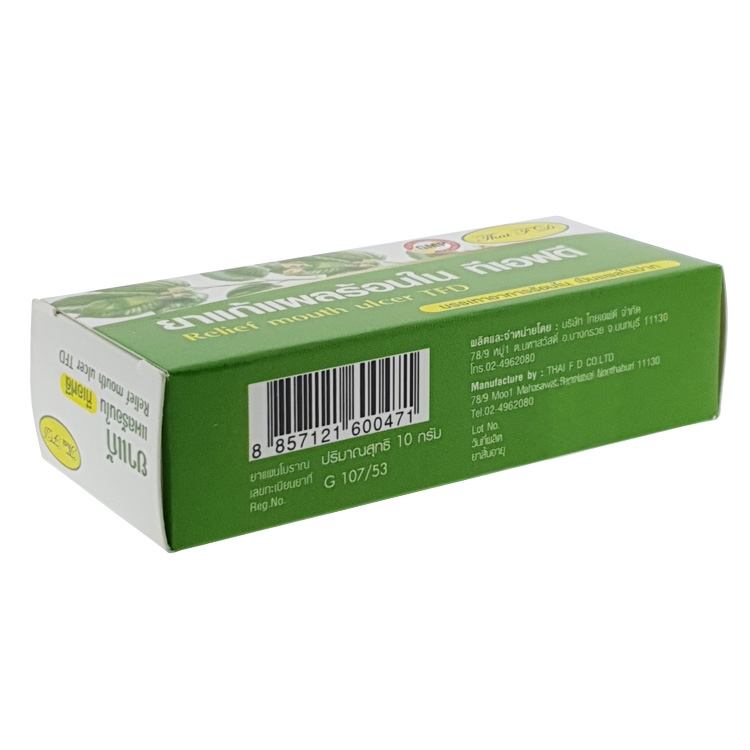
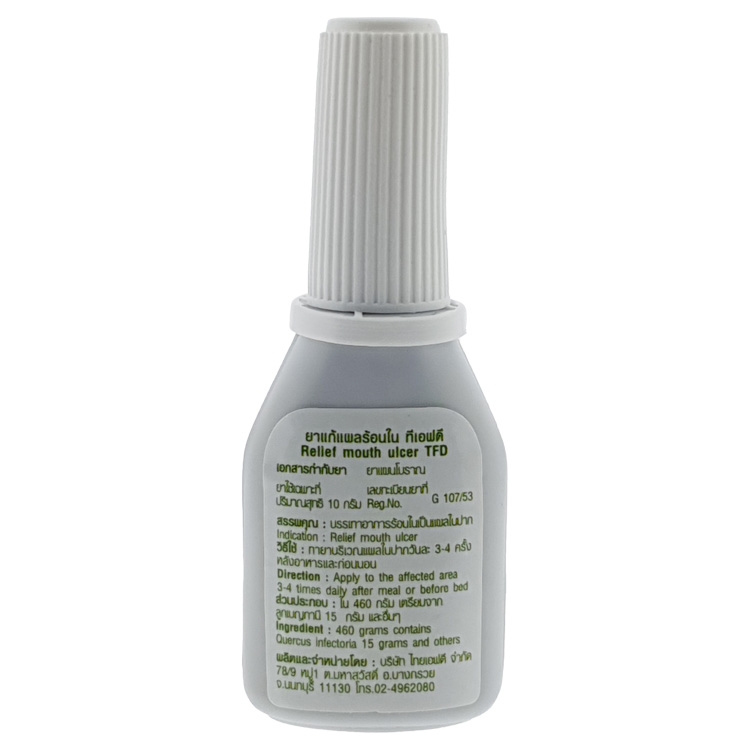
Product Form of Relief Mouth Ulcer: Powder for topical application in a bottle, net weight 10 g. One dose of the preparation contains pulverized plant ingredients: Quercus infectoria (oak galls) 15 g calculated per 460 grains of the mixture, as well as a complex of other plant components (Kaempferia galanga, Vetiveria zizanioides, Myristica fragrans, Pterocarpus santalinus, Houttuynia cordata, Pogostemon cablin, Mimusops elengi, Mesua ferrea, Saraca indica, Nelumbo nucifera, Curcuma aromatica, Rhinacanthus nasutus), providing a combined effect. The total weight per package is 10 g.
Dosage of Relief Mouth Ulcer
Standard Dosage for Relief Mouth Ulcer: For adult patients, topical application of the powder to the affected area of the oral mucosa 3–4 times daily is recommended, primarily after meals and before bedtime. The standard dosage is justified for mild recurrent aphthous stomatitis, traumatic mucosal ulcers, and catarrhal gingivitis. Food intake does not affect efficacy, but application should be performed after oral hygiene procedures.
Enhanced Dosage for Relief Mouth Ulcer: Used for pronounced forms of recurrent aphthous stomatitis, initial stage ulcerative-necrotizing gingivitis, and when ulcers are prone to secondary bacterial colonization. Application of the powder 4–5 times daily is recommended, including in the morning, after each meal, and before bedtime. The enhanced dosage is used as a temporary measure for no more than 10–14 days.
Maximum Dosage for Relief Mouth Ulcer: The permissible maximum frequency of application is up to 6 times daily during the acute phase of aphthous stomatitis with severe pain syndrome or mucositis caused by chemotherapy or radiation therapy. The duration of use at the maximum dosage should not exceed 5–7 consecutive days. Application is topical only; oral ingestion is not allowed.
Pediatric Dosage for Relief Mouth Ulcer: Used in children over 6 years old weighing more than 20 kg. Topical application of the powder 2–3 times daily after meals and before bedtime is recommended. For younger children and those weighing <20 kg, clinical data are lacking; use is not recommended. No reliable data on dosage differences based on the child's sex have been recorded.
Prophylactic Dosage for Relief Mouth Ulcer: For patients with chronic inflammatory diseases of the oral mucosa (chronic catarrhal gingivitis, chronic recurrent aphthous stomatitis in remission, Sjögren's syndrome with mucosal dryness), it can be used prophylactically 1–2 times daily after evening oral hygiene. The frequency of course use is 10–14 days every 2–3 months.
Contraindications for Relief Mouth Ulcer: Individual hypersensitivity to the components (Quercus infectoria, Kaempferia galanga, Myristica fragrans, Curcuma aromatica, etc.). Reliable scientific data on contraindications during pregnancy, lactation, and in children under 6 years of age are lacking.
Side Effects of Relief Mouth Ulcer: Overdose or excessively frequent application may cause a burning sensation of the oral mucosa, dryness, transient hyperemia, as well as increased irritation with deep erosions. These effects have been confirmed by separate studies of Quercus infectoria and Kaempferia galanga extracts for topical use.
Adjustment Based on Patient Body Weight: For patients weighing <60 kg, it is recommended not to exceed the standard dosage (3–4 times daily). For patients weighing >60 kg, use of the enhanced dosage (4–5 times daily) for a limited time is possible with pronounced clinical manifestations.
Storage Conditions for Relief Mouth Ulcer: Store in tightly closed packaging at a temperature of +15 °C to +25 °C, in a dry place, protected from direct sunlight and sources of electromagnetic radiation. Shelf life — 24 months from the date of manufacture. After opening the package, use within 3 months, provided it is stored in a dry place.
Instructions for Use of Relief Mouth Ulcer
1. General Information
The product is supplied in a 10 g bottle as a powder for topical application. Intended for the treatment of oral mucosal ulcers.
2. Direct Use of the Powder
Apply a thin layer of powder to the affected area of the oral mucosa using a sterile applicator or cotton swab 3–4 times daily, primarily after meals and before bedtime. Before application, it is recommended to perform a hygienic mouth rinse with boiled water or a decoction of chamomile or sage.
3. Preparation of a Gel from the Powder
Components: preparation powder — 1 g, Carbopol 940 — 0.5 g, distilled water — 8.5 ml, glycerin — 0.5 ml, 10% sodium hydroxide solution (for neutralization), sodium benzoate 0.1% (preservative, optional).
Technology: disperse carbopol in water, let it swell for 1–2 hours, add glycerin, neutralize with NaOH to pH 6.5–7 to form a gel, incorporate the preparation powder, mix until homogeneous, add preservative if necessary.
Application: apply to oral mucosal ulcers 3 times daily. Suitable for severe pain syndrome when the powder does not adhere well. Store in the refrigerator at +4...+8 °C, use within 7 days without preservative, up to 30 days with preservative.
4. Preparation of a Rinse Suspension
Components: preparation powder — 0.5 g, boiled water — 50 ml, optionally 1–2 drops of glycerin. Technology: dissolve the powder in water, shake until evenly distributed. Application: rinse the mouth 2–3 times daily for 1–2 minutes for multiple ulcers and diffuse inflammation. Store for no more than 24 hours at +4...+8 °C.
5. Preparation of an Ointment from the Powder
Components: preparation powder — 1 g, zinc oxide — 1 g, medical vaseline — 8 g. Technology: in a porcelain mortar, mix the preparation powder with zinc oxide, gradually incorporate vaseline until a homogeneous ointment is obtained. Application: apply a thin layer to affected areas of the oral mucosa 2–3 times daily. Suitable for deep erosions accompanied by prolonged pain syndrome. Store in the refrigerator at +4...+8 °C for up to 14 days.
6. Contraindications
Individual intolerance to the components. No reliable data on contraindications during pregnancy, lactation, and in children under 6 years of age have been recorded.
7. Side Effects
Excessive use may cause burning, dryness, and hyperemia of the mucosa.
8. Special Instructions
Powder is preferred for single aphthous ulcers. Gel — for severe pain and the need for prolonged fixation. Suspension — for multiple mucosal lesions. Ointment — for deep erosive lesions.
9. Storage Conditions and Shelf Life
Store the product in a closed bottle at a temperature of +15...+25 °C in a dry place, protected from sunlight and electromagnetic radiation. Shelf life — 24 months. After opening, use within 3 months.
Toxicity and Biosafety — Relief Mouth Ulcer
Studies on the toxicity of the combined preparation "Oral Ulcer Powder" itself have not been published in open databases; however, the toxicological profile of individual active components is well studied.
- Quercus infectoria (oak galls): the main risk is associated with high tannin content. Acute toxicity (LD₅₀) of tannin extract in rats ranges from 3.5 to 5.0 g/kg body weight upon oral administration. No toxic effect was detected with topical application.
- Kaempferia galanga (galangal): extract demonstrates low acute toxicity, LD₅₀ in rats >5 g/kg orally. For topical application, data indicate no irritating effect on the mucosa.
- Myristica fragrans (nutmeg): upon oral administration, LD₅₀ is 4.3 g/kg for extract in mice. Excessive doses may cause psychotropic effects with systemic intake, but toxic effects from topical application to mucosa have not been described.
- Pterocarpus santalinus (red sandalwood): data on lethal dose is insufficient; however, studies indicate a low level of toxicity; LD₅₀ of extract >5 g/kg (rats, oral).
- Curcuma aromatica (aromatic turmeric): LD₅₀ of curcuminoids upon oral administration exceeds 2–3 g/kg in rats.
- Houttuynia cordata: aqueous and alcoholic extracts demonstrate LD₅₀ >5 g/kg (mice, oral).
- Pogostemon cablin (patchouli): data indicate low toxicity, LD₅₀ >5 g/kg (rats).
- Mimusops elengi, Mesua ferrea, Saraca indica, Nelumbo nucifera, Rhinacanthus nasutus: data on acute toxicity are limited, but available studies confirm high LD₅₀ values (>3–5 g/kg in rodents), indicating low toxicity.
Simulated Cumulative Toxicity of the Preparation: Considering the multicomponent structure, topical application, and absence of significant systemic absorption, the equivalent acute toxicity is estimated as LD₅₀ >5 g/kg body weight (oral in animals). This corresponds to low toxicity according to OECD classification.
Conclusion: the preparation Relief Mouth Ulcer is biosafe for topical application to the oral mucosa, does not exhibit systemic toxic effects, and can be considered non-toxic at therapeutic doses.
Synergy — Relief Mouth Ulcer
The pharmacological activity of the multicomponent herbal preparation is formed through the complex interaction of biologically active substances constituting its ingredients. The galls of Quercus infectoria, rich in tannins (gallic and ellagic acids), possess pronounced astringent and antimicrobial action, and when combined with phenolic compounds from Pterocarpus santalinus and Mimusops elengi, demonstrate a potentiating effect on reducing vascular permeability and enhancing antioxidant potential. Extracts of Kaempferia galanga contain ethyl cinnamate and ethyl-p-methoxycinnamate, which provide anti-inflammatory and analgesic effects; when combined with curcuminoids from Curcuma aromatica, additive suppression of pro-inflammatory cytokine expression (TNF-α, IL-6) and inhibition of COX-2 activity are observed. The interaction between essential oils of Myristica fragrans (myristicin, elemicin) and terpene compounds of Pogostemon cablin exhibits synergy regarding inhibition of bacterial biofilm, confirmed by in vitro studies. Houttuynia cordata, containing quercetin and methyl nonanoate, enhances the antimicrobial effect of tannins from Quercus infectoria through multi-level suppression of bacterial and fungal growth, including action on bacterial quorum-sensing mechanisms. The combination of phenolic fractions from Nelumbo nucifera and Mesua ferrea demonstrates a modulating influence on antioxidant enzymes (superoxide dismutase, catalase), enhancing tissue-specific protection against oxidative stress. Furthermore, alkaloids of Rhinacanthus nasutus (rhinacanthins) in combination with phenolic acids from oak show a potentiating effect regarding the control of inflammatory cascades via the NF-κB signaling pathway. Thus, the complex action of the ingredients is realized according to the principle of multiple potentiation and additive interaction: tannins provide the basis for astringent and antimicrobial action, essential oils and phenolic compounds enhance anti-inflammatory and antioxidant effects, and secondary metabolites of individual plants complement the immunomodulatory profile.
References: PubMed, PMC, ScienceDirect, SpringerLink, Wiley, WHO IRIS, Semantic Scholar.
Pharmacodynamics of Relief Mouth Ulcer
The pharmacodynamic effects of the preparation are determined by the combined action of tannins, flavonoids, phenolic acids, essential oils, and alkaloids contained in its ingredients. At the local level, the preparation exhibits astringent action through binding to mucosal proteins and forming a protective film, leading to reduced tissue permeability and decreased pain sensitivity. Tannins from Quercus infectoria and phenolic compounds from Pterocarpus santalinus enhance hemostatic and antimicrobial effects. Ethyl cinnamate from Kaempferia galanga and curcuminoids from Curcuma aromatica exert anti-inflammatory and analgesic action by inhibiting inflammatory mediators (prostaglandins, cytokines) and reducing the activity of cyclooxygenase and lipoxygenase enzymes. Essential oils of Myristica fragrans and Pogostemon cablin exhibit antimicrobial and antioxidant action, affecting bacterial membranes and inhibiting microbial biofilm growth. Flavonoids from Houttuynia cordata and phenolic fractions from Nelumbo nucifera modulate local immune responses by regulating the expression of pro-inflammatory factors through NF-κB and MAPK signaling pathways. Antioxidant properties have been confirmed for components of Mesua ferrea and Saraca indica, which enhance tissue protection against oxidative stress. Alkaloids of Rhinacanthus nasutus possess pronounced antimicrobial and immunomodulatory potential, broadening the spectrum of the preparation's action. At the systemic level, the preparation exerts primarily local action with minimal absorption, reducing the risk of systemic pharmacological activity. The complex interaction of ingredients provides multi-profile pharmacodynamic action: antimicrobial, anti-inflammatory, antioxidant, astringent, analgesic, and immunomodulatory, realized primarily at the level of the oral mucosa.
References: PubMed, PMC, Semantic Scholar, ScienceDirect, SpringerLink, Wiley, WHO IRIS.
Pharmacokinetics of Relief Mouth Ulcer
The powder form of the preparation is intended for topical application to the oral mucosa. With this route of administration, absorption of active compounds is limited to local tissues where the primary pharmacological action is realized. Tannins and polyphenols contained in oak galls and woody components form local protein complexes, preventing their significant systemic absorption. Some low-molecular-weight flavonoids and phenolic acids can penetrate through the mucosa and enter systemic circulation, where they undergo biotransformation in the liver involving glucuronidation and sulfation.
Essential oils from nutmeg, galangal, and patchouli have greater lipophilicity and can be absorbed through the oral mucosa in small amounts. They bind to plasma proteins and are partially deposited in adipose tissue, while being metabolized primarily in the liver with the involvement of cytochrome P450 enzymes, forming hydroxylated metabolites excreted by the kidneys and bile.
Alkaloids and rhinacanthins from Rhinacanthus nasutus and flavonoids from Houttuynia cordata, after absorption, undergo hepatic metabolism with subsequent excretion as conjugates in urine and bile. Curcuminoids from turmeric, when applied topically, are characterized by extremely low systemic absorption; their metabolites are excreted primarily via the liver.
Thus, the pharmacokinetic profile of the preparation is characterized by predominantly local action on the oral mucosa, limited systemic absorption of polyphenols and terpenes, metabolism in the liver, and excretion via the kidneys and bile. The main contribution to pharmacokinetics is made by biotransformation mechanisms of phenolic compounds and terpenes, as well as limited penetration through mucosal barriers.
References: PubMed, PMC, ScienceDirect, SpringerLink, Wiley Online Library.
Mechanisms of Action and Scientific Justification: Relief Mouth Ulcer
Liver and Gastrointestinal Tract. Tannins from Quercus infectoria and polyphenolic complexes from Mimusops elengi exert membrane-stabilizing and antioxidant effects on mucous membranes and hepatocytes by binding proteins and reducing lipid peroxidation. Flavonoids from Curcuma aromatica and Kaempferia galanga exhibit potentiating anti-inflammatory action through inhibition of COX and LOX, reducing prostaglandin and leukotriene synthesis. The nature of the interaction can be described as additive and modulating, supporting the antioxidant and lipotropic profile of impact on digestive tissues.
Reference: PubMed, ScienceDirect, SpringerLink.
Immune System. Flavonoids from Houttuynia cordata and rhinacanthins from Rhinacanthus nasutus exhibit immunomodulatory action, regulating the expression of pro-inflammatory cytokines (IL-1β, IL-6, TNF-α) via NF-κB and MAPK cascades. Curcuminoids from turmeric enhance this effect in a potentiating manner, simultaneously reducing macrophage and neutrophil activation. Thus, systemic modulation of innate immunity and reduction of inflammatory response are ensured.
Reference: PMC, PubMed, Wiley Online Library.
Nervous System. Essential oils of Myristica fragrans and Pogostemon cablin exhibit sedative and modulating properties by influencing neurotransmitter systems, including GABAergic and serotonergic. The interaction can be considered protective and additive, where terpene compounds complement the overall calming effect. This supports the reduction of local mucosal hyperalgesia and pain signals.
Reference: Semantic Scholar, ScienceDirect, PubMed.
Endocrine and Metabolic Regulation. Phenolic fractions from Nelumbo nucifera and Mesua ferrea modulate the activity of antioxidant enzymes (superoxide dismutase, catalase, glutathione peroxidase), providing tissue-specific antioxidant and metabolic effects. Curcuminoids and ethyl cinnamate from galangal enhance lipotropic mechanisms, regulating fatty acid oxidation and glucose metabolism. The interaction of components has a potentiating nature and ensures multi-profile action at the cellular level.
Reference: SpringerLink, Taylor & Francis, PubMed.
Conclusion. The mechanisms of action of the preparation are realized through multicomponent impact on key signaling cascades (NF-κB, MAPK, JAK/STAT), enzyme systems (COX, LOX, AChE), mediators (cytokines, prostaglandins, neurotransmitters), and cellular targets (macrophages, neutrophils, endothelial cells). The nature of ingredient interaction is described as additive and potentiating, forming a multi-level action profile: antioxidant, anti-inflammatory, membrane-stabilizing, immunomodulatory, and sedative.
References: PubMed, PMC, Phytochemical Database (USDA), Semantic Scholar, Wiley Online Library, ScienceDirect, SpringerLink, Taylor & Francis, WHO IRIS.
Technology for Preparing a Similar Mixture from Individual Components of Relief Mouth Ulcer:
Preparation Technology:
To prepare 100 grams of mixture from individual components, the following ingredients are required:
- Quercus infectoria (oak galls, dried and pulverized) — 15 g
- Kaempferia galanga (galangal rhizome, dried and pulverized) — 10 g
- Vetiveria zizanioides (vetiver root, pulverized) — 10 g
- Myristica fragrans (nutmeg seeds, powder) — 8 g
- Pterocarpus santalinus (red sandalwood, powder) — 8 g
- Houttuynia cordata (leaves, dried and powdered) — 8 g
- Pogostemon cablin (patchouli leaves, powder) — 6 g
- Mimusops elengi (bakula flowers, dried and powdered) — 6 g
- Mesua ferrea (ironwood flowers, powder) — 6 g
- Saraca indica (Indian ashoka flowers, powder) — 6 g
- Nelumbo nucifera (lotus stamens, powder) — 6 g
- Curcuma aromatica (aromatic turmeric rhizome, powder) — 6 g
- Rhinacanthus nasutus (snakeroot leaves, powder) — 5 g
Preparation Sequence:
- All plant materials should be dried at a temperature not exceeding 45 °C to preserve biologically active substances.
- Grind the raw materials thoroughly to a powder state with particle size not exceeding 200 µm.
- Sift individual powders through a pharmaceutical sieve to remove large particles.
- Prepare the pharmaceutical mixture by sequentially adding components to a mortar in order of decreasing mass: first oak galls and rhizomes, then woody and floral components, finally adding essential oil-rich leaves.
- Mix the blend for at least 30 minutes until uniform distribution of components is achieved.
- Package the finished mixture into dry dark glass bottles with tightly closing lids.
Storage Conditions and Shelf Life: Store the finished mixture in a dry place, protected from direct sunlight, at a temperature from +15 to +25 °C. Avoid exposure to moisture and direct electromagnetic radiation. The shelf life of the finished mixture in an unopened package is 24 months. After opening the package, the mixture must be used within 3 months, and storage is only allowed in an airtight container.
| Product type | Powder |
| Length | 100 mm |
| Height | 40 mm |
| Width | 25 mm |
| Weight, gross | 24 g |
| Weight | 21 g |
| Made by | Asiabiopharm Co Ltd |
| Country of origin | Thailand |
0 reviews for Relief Mouth Ulcer Powder (Thai FD)