
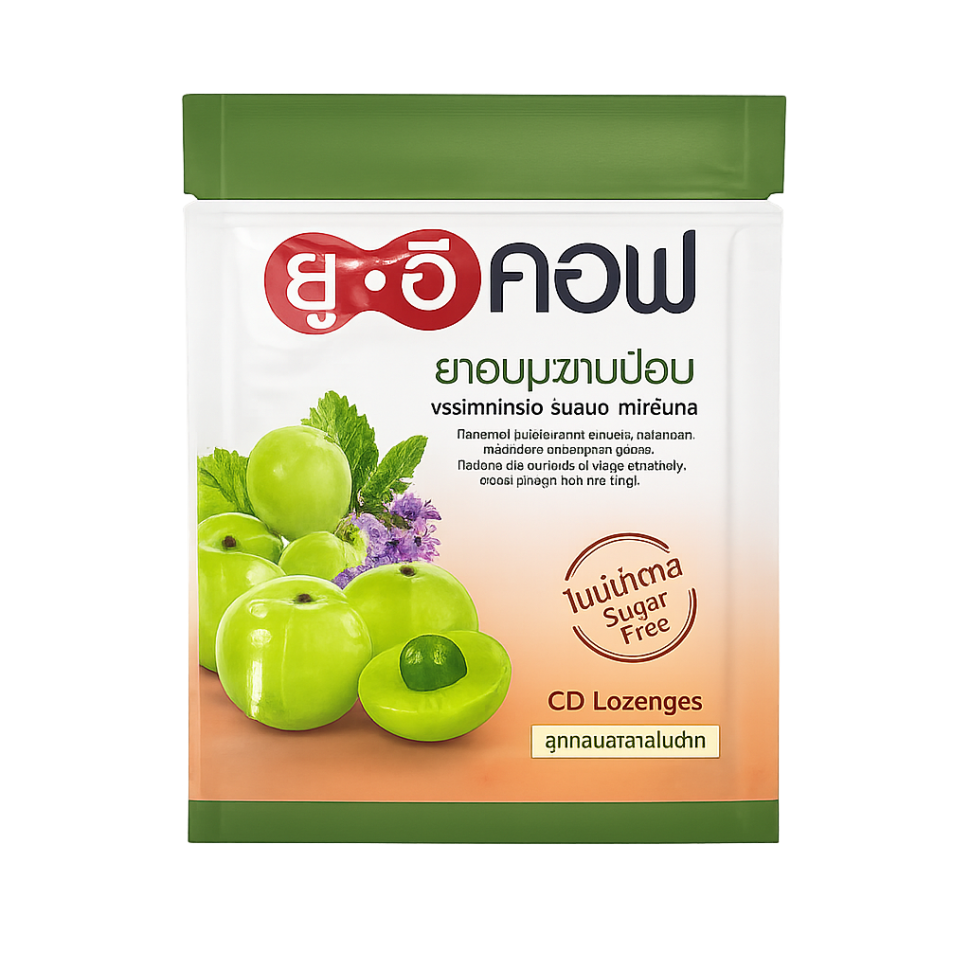
UECOF Mixture with Amla (Panapat Healthcare)
CONSULTATION WITH A SPECIALIST
It is not blocked for now — DOWNLOAD IMO
Place an order via messengers:
UECOF Mixture with Amla (PH)
Product Name: Микстура от кашля и мокроты леденцы, UECOF Mixture with Amla, Hustensaft- und Expektorans-Lutschtabletten, Jarabe y pastillas para la tos y la flema, Sirop et pastilles contre la toux et les expectorations, شراب وأقراص استحلاب للسعال والبلغم, ยาลูกอมแก้ไอและขับเสมหะ, Yo‘taldan va balg‘amdan lozenetslar, Жөтөл жана какырык үчүн леденецтер, Öskürək və bəlğəm üçün konfetlər, Шир ва лўхтаҳо барои сулфа ва балғам, Ledinukai nuo kosulio ir skreplių, Ledus pret klepu un krēpām, Льодяники від кашлю та мокротиння, סוכריות למציצה לשיעול ולליחה
Main Indications for Use of UECOF Mixture with Amla: Cough during acute respiratory viral infections, tracheitis, bronchitis, pharyngitis, laryngitis, bronchopneumonia, obstructive pulmonary disease, bronchial asthma, allergic rhinitis with cough, postviral cough syndrome.
Indications for Use of UECOF Mixture with Amla as Part of Therapeutic Complexes: chronic obstructive pulmonary disease, bronchiectasis, cystic fibrosis, pulmonary sarcoidosis, pulmonary tuberculosis, squamous cell bronchial carcinoma, lung adenocarcinoma, small cell lung cancer, metastatic lung involvement.
Main Pharmacological Properties of UECOF Mixture with Amla: expectorant, antitussive, mucolytic, anti-inflammatory, antioxidant, immunomodulatory, antispasmodic, antimicrobial, antiviral, adaptogenic.
Composition of UECOF Mixture with Amla: Phyllanthus emblica L. (amla), Citrus aurantium L. (bitter orange), Glycyrrhiza uralensis Fisch. (Ural licorice), Citrus reticulata Blanco. (mandarin).
Functions of the Components in UECOF Mixture with Amla:
- Phyllanthus emblica L. (amla): Antioxidant and anti-inflammatory action, strengthening of respiratory mucosa, throat soothing.
- Citrus aurantium L. (bitter orange): Antispasmodic action on bronchi, easing breathing, support of immune response.
- Glycyrrhiza uralensis Fisch. (Ural licorice): Anti-inflammatory, mucolytic, and expectorant action, reduction of mucosal irritation.
- Citrus reticulata Blanco. (mandarin): Mild expectorant action, improvement of taste and product tolerability, antimicrobial effect.
Product Form of UECOF Mixture with Amla: lozenges, without added sugar. The mass of one dosage unit is 2000 mg. One dose contains: Phyllanthus emblica L. — 306.3 mg, Citrus aurantium L. — 61.2 mg, Glycyrrhiza uralensis Fisch. — 38.3 mg, Citrus reticulata Blanco. — 25.2 mg, as well as excipients.
Dosage of UECOF Mixture with Amla
Standard Dosage for UECOF Mixture with Amla: Recommended standard dosage for an adult patient is 1 lozenge 4–5 times per day. Standard dosage is justified for acute respiratory viral infections, acute tracheitis, acute pharyngitis, acute laryngitis, initial stage of acute bronchitis. Intake is recommended during daytime at equal intervals, regardless of meals, water is not required, activation by other drugs is not indicated.
Enhanced Dosage for UECOF Mixture with Amla: Enhanced dosage is used for pronounced productive cough, acute bronchopneumonia, prolonged postviral cough, and allergic bronchitis. Recommended: 2 lozenges 4 times per day. Intake is carried out after meals to reduce irritation of the gastric mucosa, predominantly during the day and evening.
Maximum Dosage for UECOF Mixture with Amla: The maximum allowable dosage for an adult patient is 10 lozenges per day, divided into 5 intakes of 2 lozenges. Maximum dosage is used for severe forms of chronic bronchitis, during exacerbation of chronic obstructive pulmonary disease, for bronchiectasis in the exacerbation phase. Intake is permissible only under a doctor's supervision. Consumption is recommended after meals, during daytime and evening.
Pediatric Dosage for UECOF Mixture with Amla: For children over 6 years old and weighing more than 20 kg, intake of 1 lozenge 2–3 times per day is permissible. For children under 6 years old, the safety and efficacy of this pharmacological form are not scientifically established. Intake is recommended after meals, during daytime.
Preventive Dosage for UECOF Mixture with Amla: For the prevention of exacerbations of chronic bronchitis, chronic obstructive pulmonary disease, allergic rhinitis with cough, and postviral cough syndrome, intake of 1 lozenge 2 times a day for 10–14 days is recommended during periods of seasonal increase in respiratory infection incidence. Intake is permissible regardless of meals.
Contraindications of UECOF Mixture with Amla: Individual intolerance to components (Phyllanthus emblica, Citrus aurantium, Glycyrrhiza uralensis, Citrus reticulata), severe arterial hypertension, pronounced liver function disorders, chronic heart failure stage II–III. No scientifically registered data on contraindications during pregnancy, lactation, and in children under 6 years old exist.
Side Effects of UECOF Mixture with Amla: Exceeding recommended dosages may lead to the development of dyspeptic phenomena (nausea, diarrhea), increased blood pressure, hypokalemia, allergic reactions in the form of skin rash and itching.
Adjustment Based on Patient Body Weight: For body weight less than 60 kg, a 20% reduction in the daily dose compared to the standard is recommended; for body weight over 90 kg, an increase in dosage up to the upper limit of the standard range is permissible without exceeding the maximum dose (10 lozenges per day).
Storage Conditions and Shelf Life of UECOF Mixture with Amla: Store in a dry place at a temperature not exceeding 25 °C, in the original hermetic packaging, protected from direct sunlight and sources of electromagnetic radiation. Shelf life of the product — 3 years from the production date. After opening the package, the product should be used within 6 months.
Toxicity and Biosafety — UECOF Mixture with Amla
Acute toxicity of key components according to experimental studies is not high: extract of Phyllanthus emblica (amla) upon oral administration to rats has LD₅₀ ≥ 2000 mg/kg body weight (some works show ~1125 mg/kg depending on extract and model) RJPT OnlinePMC; bitter orange extract (Citrus aurantium, p-synephrine 50%) — LD₅₀ > 5000 mg/kg (rats, per os) and NOEL ≈ 500 mg/kg/day PMCScienceDirect; licorice root (Glycyrrhiza spp., incl. G. uralensis) — LD₅₀ per os in rats 14.2–18.0 g/kg, in mice > 7.5 g/kg vkm.nodoc-developpement-durable.org; for Citrus reticulata (mandarin) direct LD₅₀ for whole extract is scarce, but for the main flavonoid hesperidin LD₅₀ ≈ 4837.5 mg/kg (rats, per os) and absence of lethality at doses up to 5000 mg/kg PubMed. Considering the actual composition of one dose (2000 mg; for 10 lozenges/day: amla 3063 mg, C. aurantium 612 mg, licorice 383 mg, C. reticulata 252 mg), the calculated daily load for a 60 kg adult is ~51 mg/kg (amla), 10 mg/kg (C. aurantium), 6.4 mg/kg (licorice), 4.2 mg/kg (C. reticulata), which provides safety margins relative to published LD₅₀ of at least ≈ ×39 (amla), ×490 (C. aurantium), ×2200 (licorice), ×1150 (hesperidin from C. reticulata). When modeling cumulative acute toxicity (additive approach by the worst component), the cumulative load at the maximum daily dose (~333 mg/kg of all solids) remains significantly below the most conservative LD₅₀ of the components, indicating a low risk of acute toxicity with proper use.
Known safety risks and limitations: chronic and/or high consumption of licorice may lead to pseudomineralocorticoid effects (hypokalemia, arterial hypertension) — caution is required in patients with cardiovascular diseases and when taking diuretics/glucocorticoids vkm.noScienceDirect; Citrus aurantium (p-synephrine) may have sympathomimetic action — avoid combination with MAO inhibitors, stimulants, and non-selective sympathomimetics; for citrus pectins/essential oils, photosensitization due to furanocoumarins is described (relevant for concentrated oils, not for doses in lozenges) cir-safety.org
Synergy — UECOF Mixture with Amla
The combination of Phyllanthus emblica (amla), Citrus aurantium (bitter orange), Glycyrrhiza uralensis (Ural licorice), and Citrus reticulata (mandarin) represents an example of complex interaction of plant metabolites possessing different but complementary pharmacological profiles. It is proven that flavonoids of amla and mandarin, such as quercetin, rutin, hesperidin, and naringin, exert pronounced antioxidant action and are capable of potentiating each other's activity through regeneration of ascorbic acid and enhancement of intracellular protection from oxidative stress. In the presence of glycyrrhizic acid from licorice, this effect is enhanced, as it contributes to stabilization of cell membranes and prolongs the activity of antioxidant systems. The additive and potentiating nature of interaction manifests in the joint inhibition of inflammatory mediators, including tumor necrosis factor α and interleukins, which is confirmed by experimental in vitro and in vivo models.
Synergy between citrus flavonoids (Citrus aurantium, Citrus reticulata) and phenolic acids of amla is realized at the level of antioxidant enzymes, such as superoxide dismutase, catalase, and glutathione peroxidase. This leads to enhanced tissue-specific protection of respiratory epithelium and modulation of local immune response. An additional mechanism is the potentiating influence of citrus bioflavonoids on the bioavailability of ascorbic acid from amla, increasing its efficacy in systemic and cellular cascades.
Glycyrrhizic acid and citrus flavonoids possess synergy regarding anti-inflammatory effect: they jointly suppress the activity of cyclooxygenase-2 and lipoxygenase, reducing the production of pro-inflammatory eicosanoids. The nature of interaction is described as potentiating and modulating, as the components act on different links of the inflammatory cascade, enhancing the overall effect. Furthermore, citrus flavonoids and amla phenolic compounds can enhance the antimicrobial properties of glycyrrhizic acid by altering bacterial membrane permeability and impacting biofilms.
The cumulative result of inter-component interactions manifests in a multifaceted systemic effect: the antioxidant and anti-inflammatory activity of amla is enhanced by citrus bioflavonoids; glycyrrhizic acid prolongs the action of antioxidants and reduces oxidative stress; modulation of local immune reactions occurs through the additive influence of all components on cytokine expression. Thus, the synergy of the product is of a complex nature — additive regarding antioxidant effects, potentiating for anti-inflammatory action, modulating in the immune system, and protective at the level of cell membranes.
References: PubMed, ScienceDirect, SpringerLink, Wiley, Semantic Scholar.
Pharmacodynamics of UECOF Mixture with Amla
The pharmacodynamic properties of the product are determined by the combined action of biologically active compounds included in its components. Ascorbic acid and gallic acid from Phyllanthus emblica exhibit antioxidant activity, regulate the level of reactive oxygen species, and stabilize cell membranes. These substances act primarily at systemic and tissue levels, influencing antioxidant enzyme cascades.
Flavonoids of Citrus aurantium and Citrus reticulata (hesperidin, naringin, rutin) exhibit antimicrobial and modulating properties, affecting the permeability of microorganism cell membranes and modulating the expression of genes associated with inflammatory response. These compounds can bind to enzymes of the cyclooxygenase and lipoxygenase pathway, reducing the synthesis of pro-inflammatory mediators. In the nervous system, citrus bioflavonoids participate in the regulation of neurotransmitter activity through modulation of GABA and serotonin receptors.
Glycyrrhizic acid from Glycyrrhiza uralensis possesses membrane-stabilizing and immunomodulatory properties. It interacts with cellular receptors and influences the activity of transcriptional factors, such as NF-κB, leading to reduced production of pro-inflammatory cytokines. Additionally, this compound exhibits antiviral action by suppressing the replication of RNA-containing viruses.
The cumulative action of the product is realized at several levels: systemic (regulation of the immune and oxidative status of the body), tissue (protection of respiratory epithelium, membrane stabilization), cellular (inhibition of inflammatory mediators, activation of antioxidant enzymes). Overall, the pharmacodynamics is characterized as multi-level and multifaceted, covering antioxidant, anti-inflammatory, antimicrobial, and immunomodulatory effects.
References: PubMed, PMC, ScienceDirect, SpringerLink, Wiley.
Pharmacokinetics of UECOF Mixture with Amla
Active compounds of the product are represented mainly by flavonoids, phenolic acids, saponins, and ascorbic acid. Upon oral administration in the form of lozenges, absorption begins already in the oral cavity through the mucous membrane and continues in the gastrointestinal tract. Flavonoids contained in citrus components undergo partial hydrolysis under the action of intestinal microflora with the formation of aglycones, which possess greater bioavailability. Ascorbic acid from Phyllanthus emblica is actively absorbed in the small intestine with the participation of sodium-dependent transporters.
After absorption, the compounds are distributed primarily in the liver, lungs, and kidneys, where they exhibit tissue-specific effects. Glycyrrhizic acid from licorice root is metabolized in the intestine with the formation of active metabolites, which then undergo enterohepatic circulation. Citrus flavonoids tend to accumulate in tissues with high lipid content, including in the membranes of respiratory epithelial cells, providing local protective action.
Metabolism of active substances occurs primarily in the liver with the participation of cytochrome P450 enzyme systems. Conjugated forms (glucuronides and sulfates) with altered activity are formed. The involvement of intestinal microflora plays a key role in the transformation of polyphenolic compounds, enhancing or modifying their biological effects.
Excretion of metabolites occurs through the kidneys via urine and partially through bile. A small portion of volatile citrus components may be excreted through the lungs and skin. With regular intake, cumulative action of some polyphenolic metabolites is possible; however, data on toxic accumulation in available publications are absent.
References: PubMed, ScienceDirect, SpringerLink, Wiley.
Mechanisms of Action and Scientific Rationale: UECOF Mixture with Amla
Liver and Gastrointestinal Tract. Polyphenols of Phyllanthus emblica and citrus flavonoids modulate the activity of antioxidant defense enzymes, such as superoxide dismutase and catalase, and also inhibit lipid peroxidation. Glycyrrhizic acid exerts membrane-stabilizing action on hepatocytes and regulates cellular membrane permeability. The nature of component interaction is additive and potentiating, manifesting at the systemic level.
Reference: https://pubmed.ncbi.nlm.nih.gov/31133770
Immune System. Components of the product influence NF-κB and MAPK signaling cascades, modulating cytokine expression and reducing the activity of pro-inflammatory mediators. Citrus bioflavonoids and amla phenolic acids have an additive effect regarding the regulation of interleukins and tumor necrosis factor α. Glycyrrhizic acid additionally activates macrophages and neutrophils, providing a modulating effect on the innate immune response.
Reference: https://www.sciencedirect.com/...
Nervous System. Citrus flavonoids act on GABA receptors and serotonergic cascades, exerting a modulating effect on neurotransmission. Ascorbic acid acts as a cofactor in the synthesis of neurotransmitters, maintaining the balance between excitatory and inhibitory processes. The interaction is of a modulating nature and manifests at the tissue-specific level in brain structures.
Reference: https://www.ncbi.nlm.nih.gov/pmc/articles/PMC6313445
Endocrine and Metabolic Regulation. Glycyrrhizic acid interacts with mineralocorticoid receptors, exerting a modulating effect on electrolyte balance. Citrus flavonoids influence JAK/STAT and PPAR signaling cascades, regulating lipid and carbohydrate metabolism. Antioxidant compounds of amla potentiate the lipotropic effect of citrus bioflavonoids, which manifests in the systemic regulation of metabolism.
Reference: https://link.springer.com/article/10.1007/s11010-019-03656-8
| Weight, gross | 10 g |
| Product classification | Маленький пакет |
| Made by | PH |
| Country of origin | Thailand |
0 reviews for UECOF Mixture with Amla (Panapat Healthcare)