
Original Sencha Green Tea (MF)

CONSULTATION WITH A SPECIALIST
It is not blocked for now — DOWNLOAD IMO
Place an order via messengers:
Original Sencha Green Tea (MF)
Product Nmae: Чай зелёный Сенча оригинальный, Camellia sinensis, Original Sencha Green Tea, Grüner Tee Sencha Original, Thé vert Sencha original, Té verde Sencha original, ชาเขียวเซนฉะออริจินัล
Synonyms: sencha, Japanese green tea, steamed green tea, everyday green tea.
Parts Used: leaves (main part — young leaves).
Nutritional Value: water, proteins, carbohydrates, dietary fiber, vitamin C, vitamin K, vitamin B2 (riboflavin), folate, manganese, potassium, magnesium, calcium, zinc, polyphenols (catechins, epigallocatechin gallate), amino acid theanine, caffeine.
Main Beneficial Properties: antioxidant action, improved metabolism, support for the cardiovascular system, cholesterol reduction, liver protection, enhanced cognitive function, immune support, anti-inflammatory effect, prevention of metabolic syndrome.
Beneficial for Conditions: hypertensive disease, dyslipidemia, ischemic heart disease, obesity, metabolic syndrome, type 2 diabetes mellitus, non-alcoholic fatty liver disease, chronic gastritis with low acidity, cognitive disorders (F06, G30–G31).
Contraindicated for Conditions: allergy to tea plant, peptic ulcer of stomach and duodenum, gastritis with high acidity, iron deficiency anemia, insomnia, anxiety disorders (F41), chronic renal failure.
Culinary Use: brewing beverages, preparing iced tea, using in desserts (ice cream, pastries, puddings), adding to smoothies, using as a seasoning for noodles and rice dishes, powdered form for baking and sauces.
Forms and Processed Products: dried leaves, powder (sencha matcha), extract, sencha-based beverages, blended teas.
Geography of Use and Dietary Traditions
Sencha is one of the most popular types of green tea in Japan, where it is consumed daily in homes, tea houses, and restaurants. Its production technology involves steaming fresh tea leaves, rolling them, and drying, which preserves the bright green color and fresh, grassy taste. In Japanese culture, sencha is associated with hospitality and is used in the informal tea ceremony, senchado. Beyond Japan, sencha is actively consumed in China, Korea, Thailand, and other Asian countries. In recent decades, the drink has gained popularity in Europe and North America as a source of antioxidants and a means of disease prevention. Sencha is consumed both hot and cold and has become the basis for many modern beverages, including iced tea and functional teas.
Toxicity and Food Safety
Sencha is safe when consumed in moderation. Side effects are possible due to high caffeine content: insomnia, tachycardia, anxiety. Sensitive individuals may experience gastrointestinal disturbances. Not recommended for iron deficiency anemia, as catechins reduce iron absorption. Allergic reactions are rare.
Product Composition: green tea (leaves of Camellia sinensis) 100%
Culinary Recipes with Original Sencha Green Tea (MF)
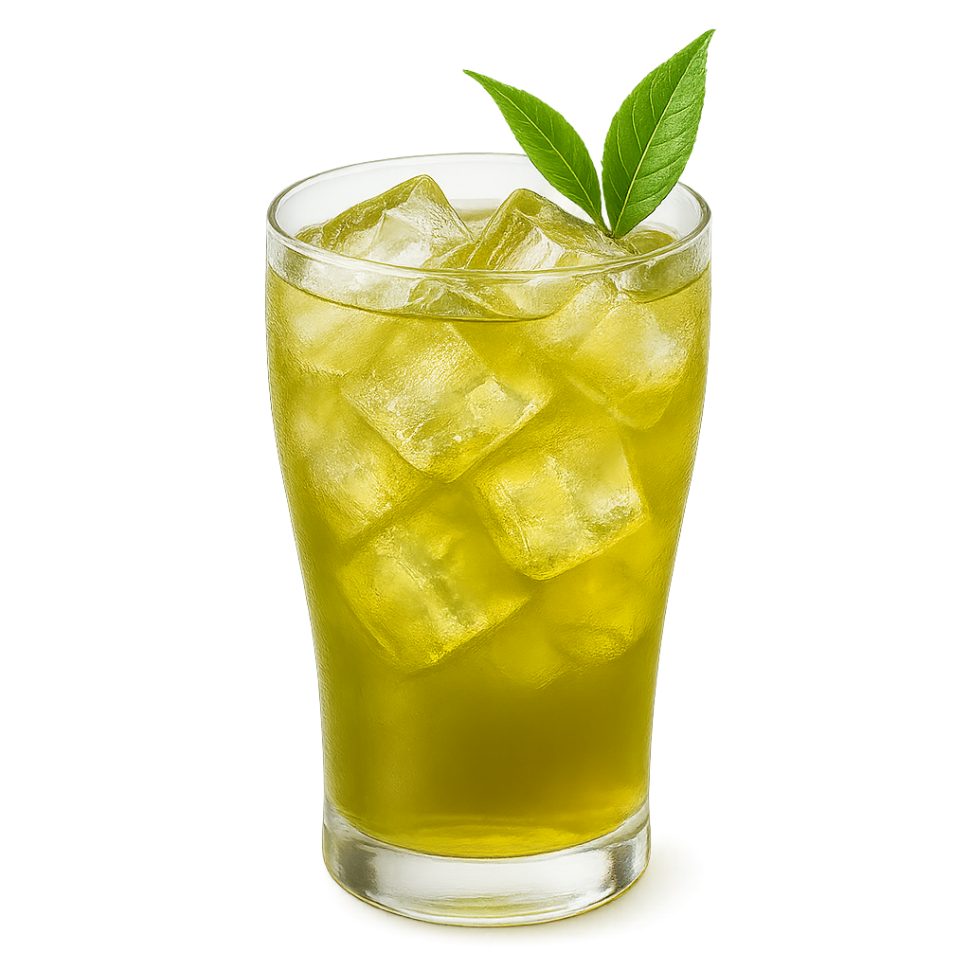
Recipe 1. Japanese Iced Sencha Tea (Sencha Iced Tea)
- Ingredients: Original Sencha Green Tea (leaves) 5 g, water 500 ml, ice cubes 150 g, honey 10 g, lemon juice 10 ml.
- Preparation method: bring water to a boil and cool to 80°C, steep Sencha leaves for 2 minutes, strain the infusion and cool to room temperature, add honey and lemon juice, stir, serve in a glass with ice.
- Nutritional value per serving: 35 kcal, protein 0.5 g, fat 0 g, carbohydrates 8 g.
- Culinary features: a traditional Japanese summer drink, popular in homes and restaurants, quenches thirst and aids recovery from heat.
Recipe 2. Japanese Style (Hot Sencha Tea)
- Ingredients: Original Sencha Green Tea (leaves) 5 g, water 300 ml.
- Preparation method: boil water and cool to 75–80°C, place tea leaves in a teapot or gaiwan, pour hot water, steep for 1.5–2 minutes, pour into cups; leaves can be used for 2–3 subsequent infusions, reducing steeping time.
- Nutritional value per serving: 0 kcal, protein 0 g, fat 0 g, carbohydrates 0 g.
- Culinary features: the classic method of brewing Japanese green tea, practiced in daily life and senchado ceremonies, reflects the Japanese tradition of simplicity and harmony.
| Weight | 100 g |
| Made by | MF |
| Country of origin | Thailand |
.png)

0 reviews for Original Sencha Green Tea (MF)