
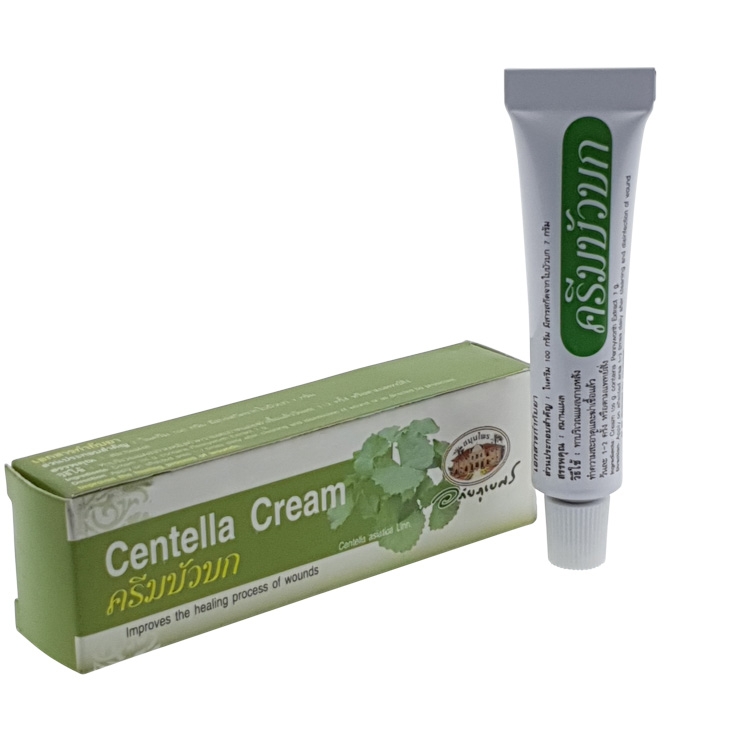
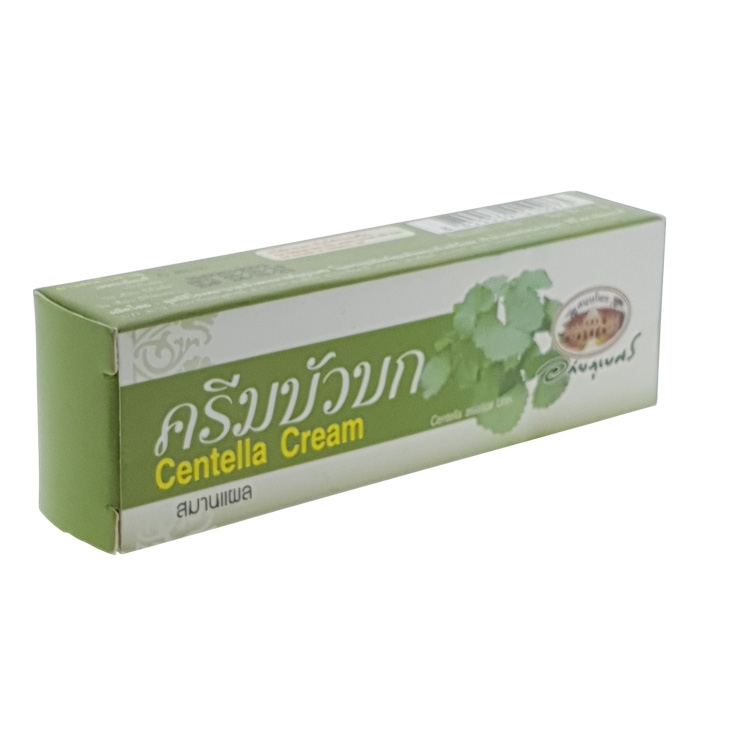
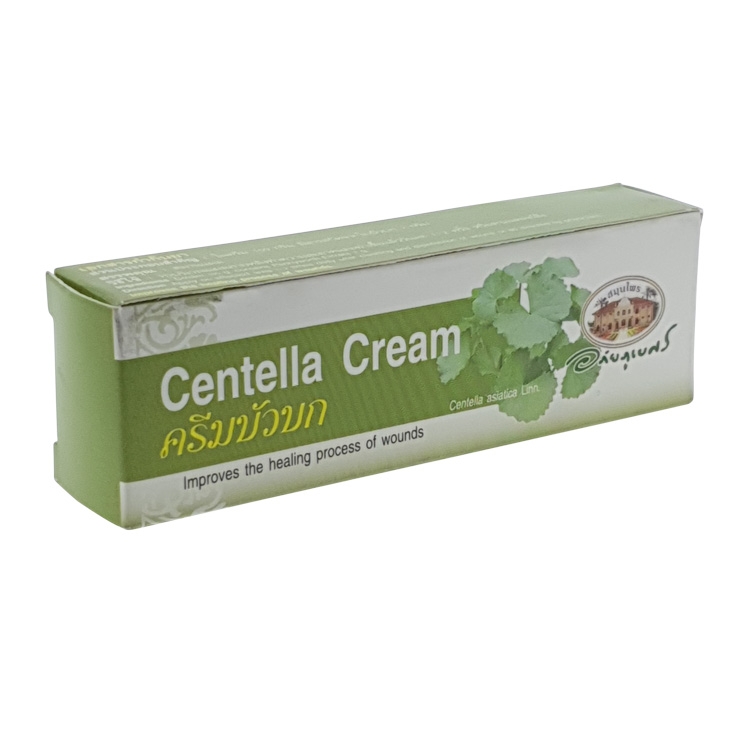
Centella Asiatica Cream (ABHAI)
CONSULTATION WITH A SPECIALIST
It is not blocked for now — DOWNLOAD IMO
Place an order via messengers:
Centella Asiatica Cream (ABHAI)
Product Name: Центелла азиатская крем, Centella Asiatica Cream, Asiatisches Wassernabelkraut Creme, Crema de Centella Asiática, Crème de Centella Asiatica, كريم الأَسْيَة الهندية, ครีมใบบัวบก, Centella Asiatica Kremi, Центелла Азиялык крем, Sentella Asiya Kremi, Креми аз осиёти мади, Centella Asiatica kremas, Centella Asiatica krēms, Крем Центелли Азіатської, קרם קנטלה אסיאטיקה
Main Indications for Use of Centella Asiatica Cream: Chronic trophic skin ulcers, varicose veins of the lower extremities with trophic disorders, first- to second-degree thermal burns, post-traumatic scars, keloid scars, hypertrophic scars, slow-healing wounds, skin fissures of various locations, chronic dermatitis with compromised skin integrity, diabetic foot syndrome in diabetes mellitus.
Indications for Use of Centella Asiatica Cream as Part of Therapeutic Complexes: Systemic scleroderma, limited scleroderma, dermatomyositis, chronic venous insufficiency stage III, post-thrombotic syndrome, chronic ulcers in obliterating atherosclerosis of the arteries of the lower extremities, skin melanoma, basal cell carcinoma of the skin, squamous cell carcinoma of the skin, Marfan syndrome with connective tissue involvement, chronic inflammatory bowel diseases with skin manifestations.
Main Pharmacological Properties of Centella Asiatica Cream: regenerative, antifibrotic, anti-inflammatory, antioxidant, capillary protective, angioprotective, sedative, antimicrobial, wound healing, immunomodulatory, adjuvant antitumor, venotonic.
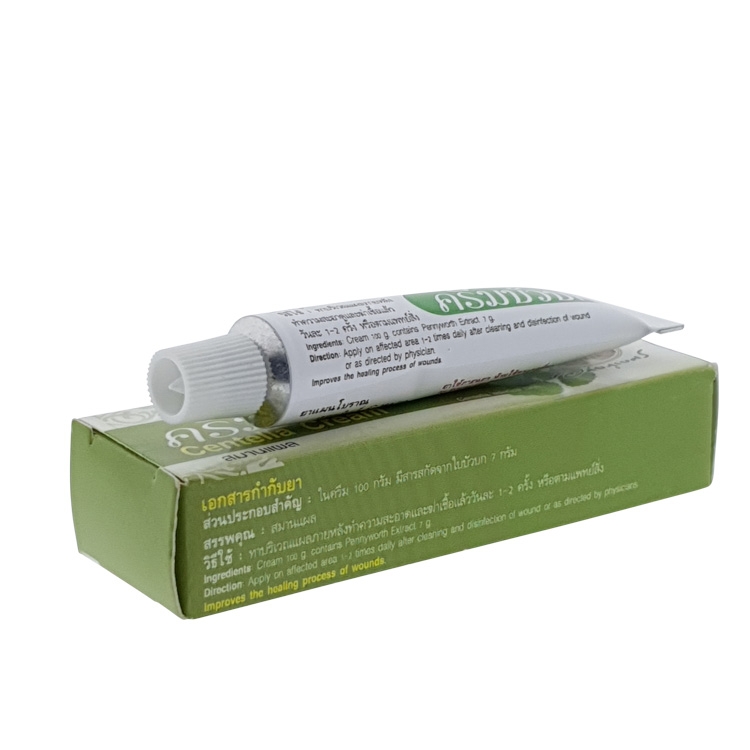
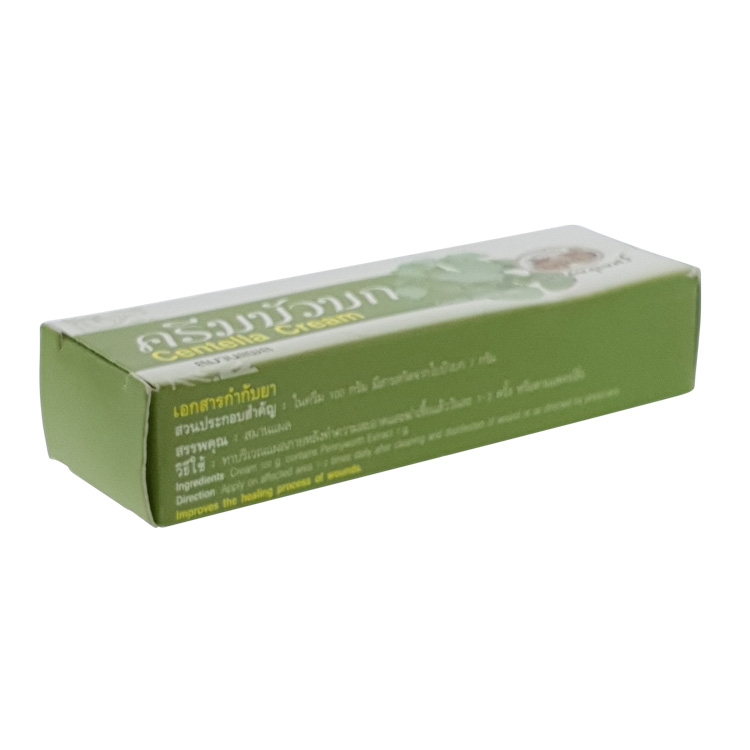
Composition of Centella Asiatica Cream: Centella asiatica extract, Aqua (water), White Soft Paraffin, Petrolatum, Glycerin, Stearic acid, Propylene glycol, Methylparaben, Propylparaben
Functions of Components in Centella Asiatica Cream:
- Centella asiatica extract — source of asiaticoside and madecassoside, stimulates collagen synthesis, accelerates tissue regeneration, reduces inflammation, prevents the formation of pathological scars.
- Aqua — solvent, ensures even distribution of active substances.
- White Soft Paraffin — forms a protective barrier on the skin surface, prevents transepidermal water loss.
- Petrolatum — softens and protects the skin, enhances the occlusive effect, improves regeneration efficacy.
- Glycerin — humectant, retains moisture in the skin, increases its elasticity.
- Stearic acid — emulsifier, stabilizes cream consistency.
- Propylene glycol — improves penetration of active substances through the skin.
- Methylparaben and Propylparaben — preservatives, ensure the microbiological stability of the preparation.
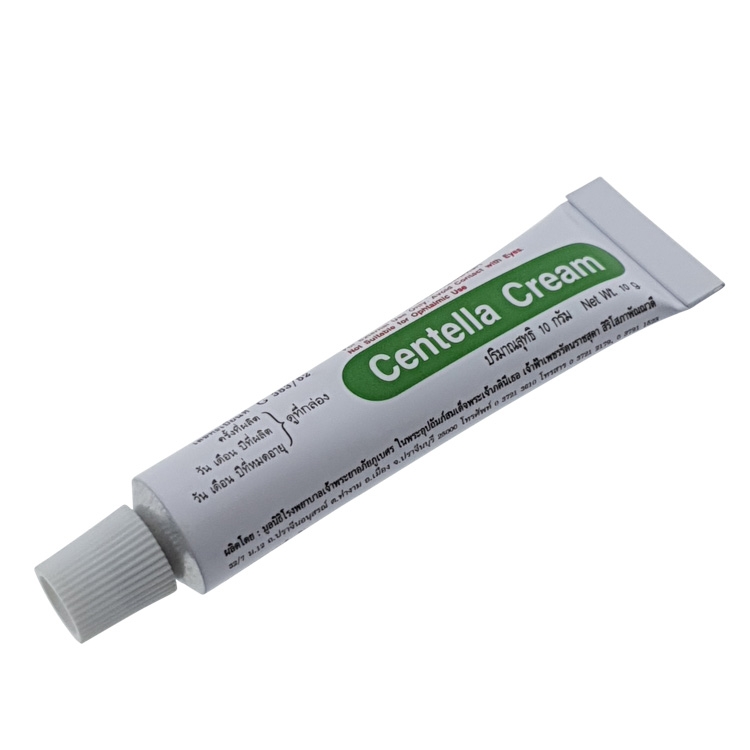
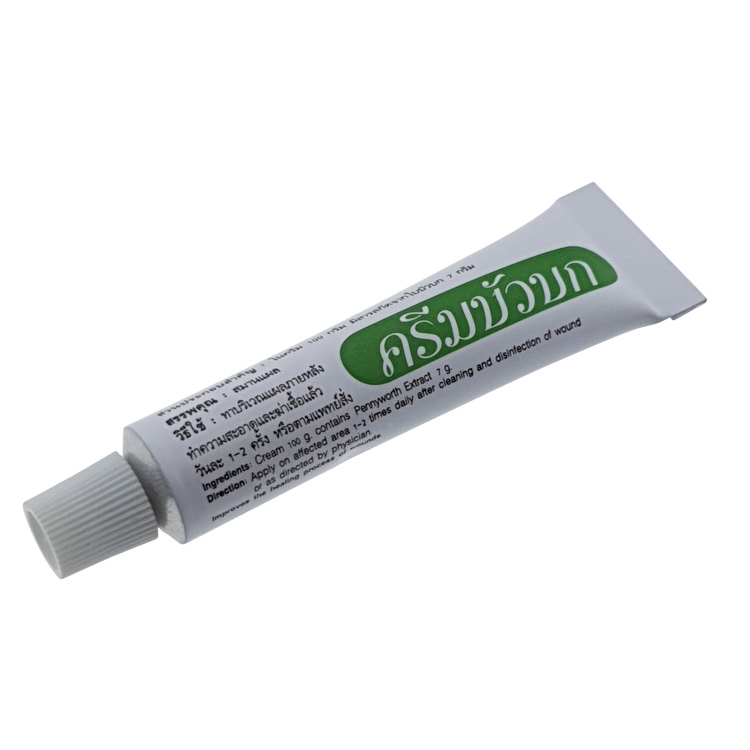
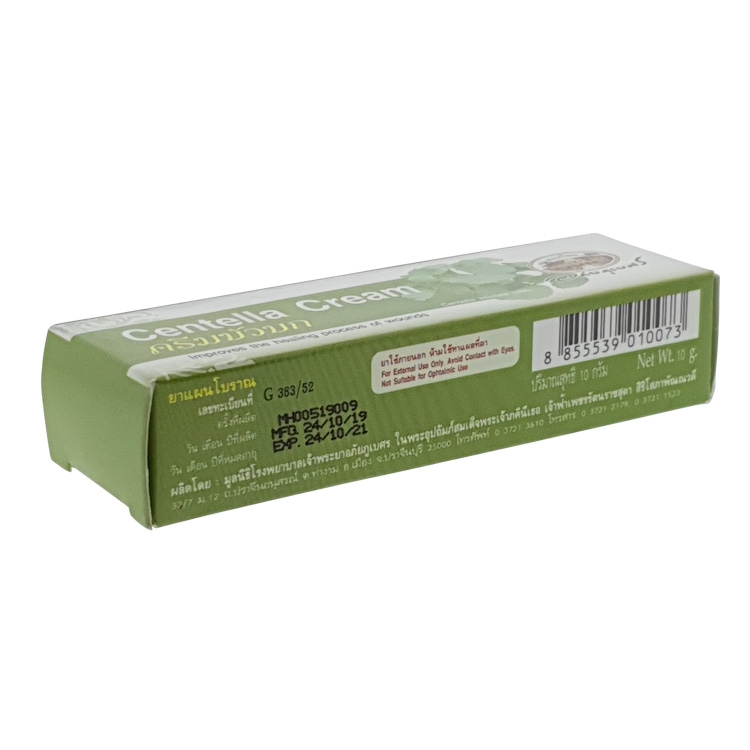
Product Form of Centella Asiatica Cream: Cream for external use. Supplied in 10 g aluminum tubes. Contains 1 g of standardized Centella asiatica extract per 100 g of cream in combination with excipients (petrolatum, paraffin, glycerin, etc.). Total weight of one tube is 10 g of finished cream.
Dosage of Centella Asiatica Cream
Standard Dosage for Centella Asiatica Cream: Externally, apply a thin layer to the affected skin area 1–2 times daily after preliminary cleansing and antiseptic treatment. Recommended for slow-healing wounds, chronic dermatitis, skin fissures, superficial first-degree burns, trophic skin changes in varicose veins. Application is preferably in the morning and evening hours, without combination with aggressive topical agents (alcohol solutions, concentrated acids).
Enhanced Dosage for Centella Asiatica Cream: Externally, apply to damaged skin areas 2–3 times daily with mandatory covering by a sterile dressing for deep trophic ulcers, second-degree burns, post-traumatic scars in the early formation stage, diabetic foot syndrome. Use after wound cleansing and antiseptic treatment. An additional evening application is recommended to enhance regeneration during sleep.
Maximum Dosage for Centella Asiatica Cream: Application up to 4 times daily is allowed for pronounced skin damage (chronic ulcers, keloid scars, second-degree burns, slowly granulating wound surfaces). When using the maximum dosage, it is necessary to monitor drug tolerance and exclude the development of contact dermatitis. Application is possible both during the day and at night, with an occlusive dressing if necessary.
Pediatric Dosage for Centella Asiatica Cream: Used in children over 3 years of age, with a body weight from 15 kg. Apply a thin layer to damaged skin areas once daily, preferably in the evening. Indications — abrasions, scratches, skin fissures, mild first-degree burns. Use in children under 3 years, as well as in infants, lacks sufficient evidence base.
Prophylactic Dosage for Centella Asiatica Cream: Apply a thin layer once a day to risk zones (varicose nodes, dry skin of feet in diabetic patients, skin after surgical interventions in the late epithelialization phase) for 2–3 weeks. Recommended for patients with chronic venous insufficiency, diabetic microangiopathy, atopic dermatitis in remission.
Contraindications for Centella Asiatica Cream: Individual intolerance to components, pronounced allergic reactions to Centella asiatica preparations, active purulent skin infections. Scientifically documented data on contraindications during pregnancy, lactation, and in children under 3 years of age are not registered.
Side Effects of Centella Asiatica Cream: Scientifically registered side effects: local allergic dermatitis, contact eczema, itching, erythema, burning at the application site. With overdose (too frequent application to large skin areas), development of skin irritation and epidermal maceration is possible.
Body Weight Adjustment: For patients weighing less than 60 kg, dosage adjustment is not required as the drug is applied externally. For patients weighing above 60 kg, use of enhanced and maximum dosages without adjustment is allowed.
Storage Conditions for Centella Asiatica Cream: Store in original packaging at a temperature of +8°C to +25°C, protected from direct sunlight, away from sources of electromagnetic radiation. Shelf life — 24 months from the date of manufacture. After opening the tube, use the preparation within 6 months.
Toxicity and Biosafety — Centella Asiatica Cream
Scientific studies on the toxicological assessment of Centella asiatica have shown low acute toxicity of its active triterpene saponins. Experiments on animals have established that the LD₅₀ of aqueous and alcoholic Centella asiatica extract exceeds 5 g/kg body weight (orally, rats), corresponding to the "practically non-toxic" category according to the Hodge and Sterner classification.
The excipients in the cream (petrolatum, paraffin, glycerin, stearic acid, propylene glycol, methylparaben, propylparaben) have extremely low acute toxicity with external use. For glycerin, an LD₅₀ = 12.6 g/kg (orally, rats) is registered; for propylene glycol — LD₅₀ = 20 g/kg (orally, rats); for paraffin and petrolatum, toxicity is absent under standard conditions of use. The preservatives methylparaben and propylparaben have an LD₅₀ in the range of 2–6 g/kg (orally, rats), while concentrations used in dermatological products for external use are recognized as safe.
The simulated aggregate toxicity of the preparation, considering the content of the active extract and excipients, allows Centella Asiatica Cream to be classified as a low-toxicity agent for external use, lacking systemic toxic effects when therapeutic dosages are observed. No data on cumulative toxicity or carcinogenicity are registered.
Synergy — Centella Asiatica Cream
The pharmacological synergy of the cream based on Centella asiatica is determined by the interaction of its triterpene saponins (asiaticoside, madecassoside, asiatic acid, madecassic acid) with base components that ensure transport and stabilization of active substances. Centella asiatica extract has a proven ability to potentiate fibroblast proliferation and stimulate synthesis of collagen types I and III. Simultaneously, the presence of glycerin and propylene glycol enhances epidermal barrier permeability and increases saponin bioavailability, creating an additive effect regarding tissue regeneration. Petrolatum and soft paraffin form an occlusive layer, reducing transepidermal water loss and prolonging local concentration of active substances, ensuring a protective type of synergy.
Furthermore, Centella asiatica demonstrates synergy with the body's antioxidant systems through activation of antioxidant enzyme expression (superoxide dismutase, catalase, glutathione peroxidase), confirmed by in vitro and in vivo models. This action is potentiated in the presence of glycerin, which reduces oxidative stress at the cellular level by maintaining skin hydration. A potentiating interaction between madecassoside and asiaticoside is noted: the former enhances angiogenesis and granulation tissue formation, the latter accelerates epithelialization, forming a sequential cascade of damaged tissue restoration.
From the perspective of intertaxon synergy, Centella asiatica exhibits complementary and potentiating effects when combined with plants possessing similar pharmacodynamics. For example, combinations with Curcuma longa and Glycyrrhiza glabra extracts enhance inhibition of pro-inflammatory mediators (TNF-α, IL-6, NF-κB), forming tissue-specific synergy regarding the skin. When combined with Camellia sinensis and Vitis vinifera extracts, potentiation of antioxidant action is noted due to polyphenols and flavonoids acting in the same cascade as triterpene saponins of centella. Additive effects are also demonstrated with concurrent use of hyaluronic acid, achieving pronounced tissue hydration that promotes active repair.
Thus, the pharmacological synergy of Centella asiatica in the cream is realized through additive, potentiating, and protective mechanisms. It is formed both within the preparation (between saponins and excipients) and in combination with other natural taxa that enhance regenerative, antioxidant, and anti-inflammatory effects. At the level of mechanism interaction, joint inhibition of inflammatory mediators, activation of collagen synthetic cascades, and prolongation of local bioavailability of active compounds predominate.
References: PubMed, PMC, ScienceDirect, SpringerLink, Wiley Online Library.
Pharmacodynamics of Centella Asiatica Cream
The pharmacodynamics of the cream are determined by the biological activity of triterpene saponins of Centella asiatica and excipients of the base. Asiaticoside and madecassoside modulate fibroblast activity, stimulating collagen and proteoglycan synthesis in connective tissue. This ensures restoration of skin structure and normalization of extracellular matrix architecture. Simultaneously, active metabolites of centella inhibit the production of pro-inflammatory cytokines (TNF-α, IL-1β, IL-6), realizing a pronounced anti-inflammatory effect at the skin tissue level.
Asiatic and madecassic acids exhibit antioxidant action by activating antioxidant enzymes and suppressing lipid peroxidation. This action has a systemic-modulating character, as it is aimed at reducing oxidative stress involved in destructive processes of connective tissue. At the cellular level, centella saponins regulate MAPK and NF-κB signaling pathways, leading to suppression of inflammatory activation of keratinocytes and macrophages.
At the vascular level, Centella asiatica preparations demonstrate angioprotective properties: they enhance expression of angiogenesis factors (VEGF), promote new capillary formation, and improve microcirculation. This action is tissue-specific and manifests primarily in the skin and subcutaneous adipose tissue. Excipients of the cream — glycerin, propylene glycol, petrolatum — support tissue hydration, create an occlusive barrier, contributing to prolongation of the pharmacological action of active metabolites.
Thus, the pharmacodynamics of Centella asiatica in cream form is characterized by a multi-level influence: local anti-inflammatory and wound healing, tissue-specific angioprotective and antioxidant, as well as systemic modulating through regulation of inflammation and regeneration signaling pathways.
References: PubMed, WHO monographs on selected medicinal plants, SpringerLink, Wiley Online Library, ScienceDirect.
Pharmacokinetics of Centella Asiatica Cream
With external application, active compounds of Centella asiatica are absorbed through the epidermal barrier in limited quantities. Main penetration occurs through intercellular lipid layers and hair follicles. The composition is dominated by triterpene saponins, which, due to their amphiphilic structure, possess moderate transdermal permeability. Additional base substances (glycerin, propylene glycol) enhance percutaneous absorption by hydrating the stratum corneum and increasing diffusion.
Distribution of active compounds is predominantly localized in the dermal layers of the skin, where they interact with fibroblasts, endothelial cells, and keratinocytes. A portion of absorbed compounds may enter systemic circulation in minimal amounts; however, their concentration remains subtherapeutic for systemic action, confirming the predominantly local nature of the pharmacological effect.
Metabolism of active components of centella occurs with the participation of hepatic microsomal enzyme systems (cytochrome P450), but with external use, the load on hepatic enzymes is insignificant. Partial metabolism in the skin is possible with the participation of oxidoreductase and esterase enzymes, which transform saponins into more polar metabolites.
Elimination occurs primarily through the kidneys and with bile after systemic absorption of insignificant amounts of active substances. In local application, the main part of active compounds exerts its effect directly in skin tissues without significant accumulation in organs. Excipients such as glycerin and propylene glycol undergo standard metabolic pathways with subsequent renal elimination.
Thus, the pharmacokinetic profile of Centella asiatica in cream form is characterized by minimal systemic bioavailability, localized distribution in skin tissues, low metabolic load, and a safe elimination pathway.
References: PubMed, WHO Monographs on Selected Medicinal Plants, ScienceDirect, SpringerLink.
Mechanisms of Action and Scientific Rationale: Centella Asiatica Cream
Liver and Gastrointestinal Tract. Triterpene saponins of Centella asiatica exhibit membrane-stabilizing and antioxidant action through activation of endogenous enzyme systems (glutathione peroxidase, superoxide dismutase, catalase). These mechanisms protect hepatocyte and epithelial cell membranes from lipid peroxidation. The interaction is modulating in nature, aimed at reducing oxidative stress and maintaining the body's antioxidant potential.
Reference: https://pubmed.ncbi.nlm.nih.gov/24374484/
Immune System. Asiaticoside and madecassoside regulate macrophage and lymphocyte activity through NF-κB and JAK/STAT signaling cascades, leading to reduced production of pro-inflammatory cytokines (IL-1β, IL-6, TNF-α) and increased production of anti-inflammatory mediators. This forms a potentiating immunomodulatory action. At the cellular level, centella components interact with inflammatory mediators, reducing the expression of adhesion molecules on endothelium.
Reference:https://www.sciencedirect.com/science/article/pii/S0378874116312660
Nervous System. Centella saponins exhibit sedative and anxiolytic effects through modulation of GABAergic neurotransmission and regulation of serotonin levels. The mechanism is realized via interaction with receptor proteins and influence on the expression of neurotrophic factors. This action has a systemic character and is accompanied by potentiation of antioxidant processes in neurons, ensuring protection against oxidative damage.
Reference: https://link.springer.com/article/10.1007/s11064-013-1007-5
Endocrine and Metabolic Regulation. Biologically active metabolites of centella participate in the regulation of collagen and proteoglycan synthesis by activating MAPK and TGF-β signaling cascades. The action is additive and tissue-specific, aimed at maintaining connective tissue structure and metabolic homeostasis. Modeling effects at the cellular level include reducing matrix metalloproteinase activity, contributing to the preservation of the extracellular matrix.
Reference:https://www.wiley.com/en-us/exportProduct/pdf/9780470741672
Thus, the mechanisms of action of Centella asiatica are realized through modulation of key signaling cascades (NF-κB, MAPK, JAK/STAT), influence on cellular targets (fibroblasts, macrophages, endothelial cells, neurons), and stabilization of antioxidant systems. This profile confirms multifaceted action at the tissue, organ, and system levels.
| Product type | Ointment |
| Packaging type | Tube |
| Package quantity, PCs. | 1 |
| Length | 95 mm |
| Height | 30 mm |
| Width | 20 mm |
| Weight, gross | 50 g |
| Weight | 18 g |
| Made by | Asiabiopharm Co Ltd |
| Country of origin | Thailand |
0 reviews for Centella Asiatica Cream (ABHAI)