
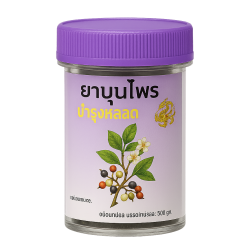
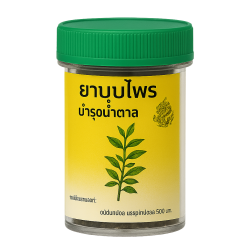
Bolus Viral Diarrhea (Herbal One)

CONSULTATION WITH A SPECIALIST
It is not blocked for now — DOWNLOAD IMO
Place an order via messengers:
Bolus Viral Diarrhea (Herbal One)
Product Name: Болюс вирусная диарея (Prunus mume – Слива японская, Glycyrrhiza spp. – Солодка) – Bolus Viral Diarrhea, Virendiarrhoe-Bolus, Bolus Diarrea Viral, Bolus Diarrhée Virale, قرص للإسهال الفيروسي, ลูกกลอนท้องร่วงจากไวรัส, Virusli diareya uchun bolus, Вирустук ич өткөктө болюс, Viral ishal üçün bolus, Болюс дар истаҳои вирусӣ, Virusinė diarėjos boliusas, Vīrusu caurejas bolus, Боліс при вірусній діареї, בולוס לשלשול ויראלי
Main Indications for Bolus Viral Diarrhea: viral diarrhea, acute viral intestinal infection, rotavirus infection, coronavirus gastroenteritis form, viral etiology gastroenteritis, chronic bronchitis, acute bronchitis, viral etiology tracheitis, acute viral etiology rhinopharyngitis, cough in acute respiratory viral infections, viral etiology inflammation of the oropharyngeal mucosa.
Indications for Bolus Viral Diarrhea as Part of Therapeutic Complexes: colorectal cancer, stomach cancer, esophageal cancer, liver cancer, viral etiology chronic hepatitis, liver cirrhosis, gastric ulcer, duodenal ulcer, ulcerative colitis, Crohn's disease, chronic obstructive pulmonary disease, bronchial asthma, viral pneumonia, acute respiratory distress syndrome.
Main Pharmacological Properties of Bolus Viral Diarrhea: antiviral, anti-inflammatory, antitussive, expectorant, mucolytic, astringent, antidiarrheal, spasmolytic, antibacterial, antioxidant, immunomodulatory.
Composition of Bolus Viral Diarrhea: Prunus mume fruit (Japanese apricot), Glycyrrhiza radix (Licorice root), Mel (Honey)
Functions of the Components in Bolus Viral Diarrhea:
- Prunus mume fruit (Japanese apricot) — exerts an astringent and antidiarrheal effect, regulates intestinal secretion, suppresses the growth of pathogenic microflora, exhibits a mild antitussive effect.
- Glycyrrhiza radix (Licorice root) — possesses a pronounced anti-inflammatory and expectorant action, soothes respiratory tract mucous membranes, suppresses viral and bacterial agents.
- Mel (Honey) — provides antimicrobial and anti-inflammatory effects, enhances mucosal regeneration, harmonizes taste and increases the bioavailability of active components.
Product Form of Bolus Viral Diarrhea: The product is available in the form of boluses for oral use. The average diameter of one bolus is about 6 mm, average weight — 0.3–0.5 g. Boluses are formed from a mixture of Prunus mume fruit powder (Japanese apricot), Glycyrrhiza spp. root powder (Licorice) and natural honey. The total weight of ingredients per batch is approximately 103.5 g, from which a series of boluses in standard packaging is produced.
Dosage of Bolus Viral Diarrhea
Standard Dosage for Bolus Viral Diarrhea: Adults: 3 boluses 3 times a day, after meals, with warm water. Indications for standard dosage: mild forms of viral diarrhea, acute viral etiology rhinopharyngitis, cough in acute respiratory viral infections, initial stages of acute bronchitis.
Enhanced Dosage for Bolus Viral Diarrhea: Adults: 6 boluses 3 times a day, after meals, with warm water or a warm herbal decoction. Indications: moderate forms of viral diarrhea, rotavirus infection, coronavirus gastroenteritis, pronounced viral etiology inflammation of the oropharyngeal mucosa.
Maximum Dosage for Bolus Viral Diarrhea: Adults: 9 boluses 3 times a day, after meals. Indications: severe forms of viral diarrhea, acute viral etiology gastroenteritis with high symptom intensity, acute viral bronchitis with pronounced cough and sputum. Duration of maximum dosage — no more than 5 consecutive days.
Pediatric Dosage for Bolus Viral Diarrhea: Minimum age — from 6 years, body weight — from 20 kg. Children 6–11 years: 3 boluses 1–2 times a day, after meals. Adolescents 12–18 years: 3 boluses 2–3 times a day, after meals. For children under 6 years, safety and efficacy data are not scientifically registered.
Preventive Dosage for Bolus Viral Diarrhea: Adults: 3 boluses once a day, in the morning after breakfast, course 10–14 days. Indications: chronic bronchitis (in remission phase), irritable bowel syndrome with tendency to diarrhea, states of immune deficiency during the season of increased viral load.
Contraindications for Bolus Viral Diarrhea: Hypersensitivity to components, severe arterial hypertension, edema in chronic heart failure, chronic renal failure. Data on contraindications during pregnancy, lactation, and childhood under 6 years are not scientifically registered.
Side Effects of Bolus Viral Diarrhea: Overdose may cause dyspeptic symptoms, abdominal pain, nausea, vomiting, increased blood pressure, hypokalemia (associated mainly with excessive consumption of Glycyrrhiza).
Adjustment Based on Patient Body Weight: For patients with body weight <60 kg, reduce calculated doses by 25%; for weight >90 kg — an increase of 25% is allowed while maintaining the dosing frequency.
Storage Conditions for Bolus Viral Diarrhea: Store in a dry, cool place, protected from light, at a temperature up to +25 °C, away from sources of strong EMF. Shelf life — 24 months from the date of production. After opening the package, use within 30 days.
Synergy — Bolus Viral Diarrhea
The combination of Prunus mume fruit (Fructus Mume), Glycyrrhiza spp. root, and natural honey forms a multi-level pharmacological synergy with a predominance of potentiating and additive interactions. Polyphenols and organic acids of P. mume (including citric, chlorogenic; as well as derivatives such as mumefural) demonstrate antimicrobial and anti-inflammatory effects and modulate microbiota composition, reducing the growth of opportunistic enterobacteria; phenolic components contribute significantly beyond the mere acidity of the raw material. Glycyrrhizin and other triterpene saponins of Glycyrrhiza spp. inhibit pro-inflammatory cascades (HMGB1/TLR4–NF-κB, MAPK), reduce the production of mediators (TNF-α, IL-1β, IL-6), and exert cytoprotective effects; a number of models also show a reduction in oxidative stress and regulation of iNOS expression. Honey provides independent multifactorial antimicrobial activity (osmotic effect, hydrogen peroxide via glucose oxidase, low pH, phenolic compounds, peptide defensin-1) and simultaneously acts as a viscous-adhesive matrix, promoting prolonged local contact of the complex with mucosal surfaces. The joint presence of P. mume acids and phenols with glycyrrhizin creates a "double-hit" function: suppression of bacterial virulence and biofilms combined with blockade of key transcriptional inflammatory factors, which systemically reduces the release of pro-inflammatory mediators. At the level of the whole complex, this manifests as tissue-specific synergy in mucous membranes: honey enhances the local antimicrobial and antioxidant background and increases retention, P. mume adds acid-phenolic control of microbial metabolism and barrier effects, and Glycyrrhiza modulates the cytokine response through HMGB1/NF-κB and associated pathways. Data on multi-component formulas where P. mume is combined with Glycyrrhiza confirm suppression of NF-κB/STAT3 signaling and protection of the intestinal epithelial barrier; this is consistent with the molecular mechanisms described above and indicates the systemic (multi-organ) direction of the complex's synergy.
References: jstage.jst.go.jp, pmc.ncbi.nlm.nih. govonlinelibrary.wiley.com, pmc.ncbi.nlm.nih.gov+1, pmc.ncbi.nlm.nih.gov, mdpi.com Frontiers
Pharmacodynamics of Bolus Viral Diarrhea
The complex demonstrates systemic and local levels of action involving immune, epithelial-barrier, and microbiome-associated regulation. Characteristics of Prunus mume include: (1) direct antimicrobial effects of organic acids and phenolic compounds against gram-negative enterobacteria; (2) anti-inflammatory activity associated with phenols and specific metabolites of heat-processed raw material (mumefural), for which signaling targets are shown, including PDE4D inhibition and interactions with GABAergic/benzodiazepine sites; (3) influence on the composition and metabolism of the gut microbiota. Glycyrrhiza spp. provides anti-inflammatory and cytoprotective pharmacodynamics due to glycyrrhizin and related saponins: inhibition of HMGB1 and subsequent signaling through TLR4/AGER, downregulation of NF-κB and MAPK, reduced production of TNF-α, IL-1β, IL-6, decreased lipid peroxidation, and normalization of redox status; additionally, modulation of hormonal-metabolic pathways via 11β-HSD is possible with long-term use. Natural honey contributes multifactorial antimicrobial activity (osmotic gradient, peroxide pathway via glucose oxidase, acidic environment, polyphenols, defensin-1), antioxidant contribution, and a physicochemical matrix that improves the distribution and retention of the complex on mucous membranes. At the target system level, the following are realized: suppression of inflammatory transcription factors (NF-κB, partially STAT3), reduction of pro-inflammatory cytokines, support of the epithelial barrier, and modulation of the microbiota; locally — antimicrobial and antioxidant background, demulcent, and protective properties. The totality of these effects substantiates multicomponent pharmacodynamics not tied to specific nosologies: anti-inflammatory, antimicrobial, antioxidant, cytoprotective, and barrier-protective, with potential tissue selectivity for mucous membranes.
References: jstage.jst.go.jp, pmc.ncbi.nlm.nih.gov, pmc.ncbi.nlm.nih.gov, pmc.ncbi.nlm.nih.gov, mdpi.com, pmc.ncbi.nlm.nih.gov
| Weight, gross | 50 g |
| Made by | Herbal One |
| Country of origin | Thailand |
0 reviews for Bolus Viral Diarrhea (Herbal One)