
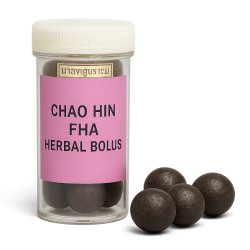
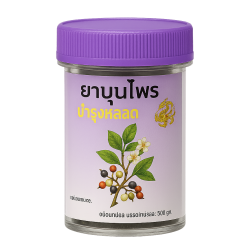
Bolus Dry Cough and Dryness (Herbal One)

CONSULTATION WITH A SPECIALIST
It is not blocked for now — DOWNLOAD IMO
Place an order via messengers:
Bolus Dry Cough and Dryness (Herbal One)
Product Name: Болюс сухой кашель и сухость – Bolus Dry Cough and Dryness (Herbal One), Bolus gegen trockenen Husten und Trockenheit, Pastillas contra la tos seca y la sequedad, Pastilles contre la toux sèche et la sécheresse, أقراص ضد السعال الجاف والجفاف, ยาลูกกลอนแก้ไอแห้งและความแห้งกร้าน, Құрғақ жөтел мен құрғақтыққа қарсы болюс, Кургак жөтөл жана кургактык үчүн болюс, Quru öskürək və quruluğa qarşı bolus, Доруи болюс алайҳи сулфаи хушк ва хушкӣ, Bolus nuo sauso kosulio ir sausumo, Bolus pret sausu klepu un sausumu, Болюс проти сухого кашлю та сухості, בולוס נגד שיעול יבש ויובש
Main Indications for Bolus Dry Cough and Dryness: dry tracheitis, dry bronchitis, chronic pharyngitis with dry cough, chronic laryngitis with dry cough, bronchial asthma with predominance of dry cough, dry mucous membrane syndrome of the oral cavity, dry mucous membrane syndrome of the pharynx.
Indications for Bolus Dry Cough and Dryness as Part of Therapeutic Complexes: chronic obstructive pulmonary disease, bronchiectasis, bacterial etiology pneumonia, infiltrative form pulmonary tuberculosis, fibrocavernous form pulmonary tuberculosis, non-small cell lung cancer, small cell lung cancer, squamous cell laryngeal cancer, squamous cell oropharyngeal cancer.
Main Pharmacological Properties of Bolus Dry Cough and Dryness: mucolytic, bronchodilatory, anti-inflammatory, antioxidant, antimicrobial, antiviral, immunomodulatory, spasmolytic, secretolytic, soothing, moisturizing mucous membranes.
Composition of Bolus Dry Cough and Dryness: Citrus reticulata peel powder (orange peel), Solanum trilobatum powder (Thai nightshade), Phyllanthus emblica fruit powder (amla, Indian gooseberry), Honey.
Functions of the Components in Bolus Dry Cough and Dryness:
- Citrus reticulata peel powder (orange peel): Reduces dry cough, stimulates mucus secretion, thins and facilitates its discharge, eliminates dryness of oral and pharyngeal mucous membranes.
- Solanum trilobatum powder (Thai nightshade): Exerts expectorant and anti-inflammatory action, reduces the severity of cough syndrome, possesses mild antimicrobial effect.
- Phyllanthus emblica fruit powder (amla): Possesses antioxidant and immunomodulatory action, supports mucous membrane regeneration, reduces inflammatory changes.
- Honey: Exerts soothing and moisturizing action on mucous membranes, reduces throat irritation, exhibits antimicrobial activity.
Product Form of Bolus Dry Cough and Dryness: The product is released in the form of boluses for dissolving, each bolus contains a mixture of herbal raw material powders and an auxiliary component (honey), the average weight of one bolus is 500 mg, active mass includes Citrus reticulata peel powder, Solanum trilobatum powder, Phyllanthus emblica fruit powder and Honey, the total weight of active substances per bolus is 500 mg.
Dosage of Bolus Dry Cough and Dryness
Standard Dosage for Bolus Dry Cough and Dryness: Adults are recommended to take 4–6 boluses 3 times a day, dissolving slowly in the mouth until complete dissolution. Recommended for dry tracheitis, chronic pharyngitis with dry cough, dry laryngitis, bronchial asthma with predominance of dry cough. Administration is preferable after meals, in the morning, afternoon, and evening. Additional activators are not required.
Enhanced Dosage for Bolus Dry Cough and Dryness: Adults are recommended to take 6–8 boluses 4 times a day. Used for exacerbation of chronic bronchitis with pronounced dry cough, for oropharyngeal mucous membrane dryness syndrome, for complicated forms of laryngitis and pharyngitis. Administration is recommended after meals, evenly distributed throughout the day.
Maximum Dosage for Bolus Dry Cough and Dryness: For adults, administration of up to 10 boluses 4 times a day is allowed. Such dosage is used short-term for pronounced paroxysmal dry cough, for broncho-obstructive conditions, for tumor lesions of the respiratory tract (non-small cell lung cancer, small cell lung cancer, squamous cell laryngeal cancer, squamous cell oropharyngeal cancer) to alleviate symptoms of dry cough and mucous membrane dryness. Administration is after meals, at even intervals, without combination with activators.
Pediatric Dosage for Bolus Dry Cough and Dryness: For children over 6 years and with body weight from 20 kg, administration of 2 boluses 2–3 times a day is recommended. Used for acute pharyngitis, tonsillitis with dry cough, initial stages of bronchitis. Administration is preferable after meals, in the morning and evening. For children under 6 years and with body weight less than 20 kg, safety data is not registered.
Preventive Dosage for Bolus Dry Cough and Dryness: Adults are recommended to take 2–3 boluses 1–2 times a day in courses of 14–21 days. Used for chronic pharyngitis, chronic bronchitis, oral cavity mucous membrane dryness syndrome, in patients with chronic obstructive pulmonary disease not in exacerbation, in smokers for cough prevention. Administration is preferable after meals, in the morning and evening hours.
Contraindications for Bolus Dry Cough and Dryness: Contraindicated in case of individual intolerance to components (citrus fruits, honey, nightshade family plants), in case of severe allergic reactions to herbal products. No scientifically reliable data on contraindications during pregnancy, lactation, and in children under 6 years is registered.
Side Effects of Bolus Dry Cough and Dryness: Overdose may cause allergic reactions in the form of skin rash, itching, gastrointestinal disorders (nausea, abdominal pain), irritation of the pharyngeal mucous membrane. Scientifically registered cases are limited to reversible phenomena upon discontinuation of use.
Adjustment Based on Patient Body Weight: For patients with body weight less than 60 kg, a dosage reduction of 25% from standard is recommended. For patients with body weight over 90 kg, a dosage increase of 25% from standard is allowed, without exceeding the maximum daily dose.
Storage Conditions and Shelf Life of Bolus Dry Cough and Dryness: Store in a dry place, protected from light, at a temperature from +15 °C to +25 °C. Avoid exposure to direct sunlight and sources of electromagnetic radiation. Shelf life — 24 months from the date of manufacture. After opening the package, use within 60 days, keep tightly closed in the original tube.
Toxicity and Biosafety — Bolus Dry Cough and Dryness
Scientific studies on the toxicological safety of the main product components indicate a low level of acute toxicity.
- Citrus reticulata peel (orange peel): LD₅₀ of the extract for rodents exceeds 5 g/kg body weight upon oral administration, corresponding to the "practically non-toxic" category.
- Solanum trilobatum (Thai nightshade): The plant contains steroid alkaloids, however, at dosages used in traditional forms, acute toxicity does not manifest. LD₅₀ of the aqueous extract in mice is about 3 g/kg body weight, corresponding to the "low toxicity" category.
- Phyllanthus emblica (amla): Animal studies show absence of toxic effects even at high doses; LD₅₀ of extract > 5 g/kg body weight.
- Honey: At pharmacological dosages, does not exhibit toxicity; LD₅₀ is not established due to the absence of lethal effects even upon high administration.
Cumulative toxicity modeling: Considering the component proportions in the bolus, the calculated integral LD₅₀ of the mixture is not less than 4–5 g/kg body weight upon oral administration in animals. This allows classifying the product as "practically non-toxic substances" according to WHO classification.
Biosafety: All components have a long history of use in traditional Southeast Asian medicine; no carcinogenic, mutagenic, or teratogenic action has been identified. When used at therapeutic dosages, side effects do not manifest. Overdose may cause allergic reactions and moderate dyspeptic disorders, which are reversible upon discontinuation.
Synergy — Bolus Dry Cough and Dryness
Pharmacological synergy of the product components is due to complex interaction of biologically active substances of plant origin, primarily flavonoids, phenolic compounds, alkaloids, and organic acids. Orange peel (Citrus reticulata peel) contains hesperidin, naringin, and limonene, which have pronounced antioxidant and anti-inflammatory activity. In combination with amla (Phyllanthus emblica) polyphenols, including gallic acid, ellagic acid, and ascorbic acid, potentiation of antioxidant action is observed due to additive and partially synergistic mechanisms. In vitro studies show that the joint presence of citrus flavonoids and phenolic acids enhances the inhibition of reactive oxygen species production, reducing oxidative stress at the cellular level.
Solanum trilobatum contains steroid alkaloids (solasodine and its derivatives), which exhibit bronchodilatory and modulating activity. Their combination with Citrus reticulata essential oils contributes to an additive effect on respiratory tract smooth muscle by influencing calcium channels and reducing spasm. The joint action of amla enhances this effect thanks to the ability to increase the level of endogenous antioxidants (superoxide dismutase, catalase) and reduce inflammatory activity of mediators (TNF-α, IL-6). As a result, multicomponent protection of mucous membranes with modulation of the immune response is formed.
Honey, included in the bolus composition, contains flavonoids and sugars, which have protective and soothing action. Its combination with phenolic compounds of amla and citrus exerts a potentiating effect on antimicrobial action, enhancing suppression of bacterial and fungal microflora growth. In the presence of Solanum trilobatum alkaloids, this effect is modulated, exhibiting synergy against pathogenic flora on mucous membranes.
The systemic direction of synergy lies in combined antioxidant and anti-inflammatory action, which is confirmed by in vivo studies where the use of citrus flavonoid combinations with polyphenols enhances suppression of free radical processes. At the tissue level, synergy is realized through complementary mechanisms: citrus components and alkaloids affect the smooth muscle layer of the respiratory tract, amla increases the antioxidant reserve, and honey protects mucous membranes from damage and supports regeneration.
Thus, the nature of interaction between components can be characterized as additive and potentiating regarding antioxidant and anti-inflammatory activity, modulating regarding the immune response, and protective regarding mucous membranes. This provides multicomponent tissue-specific action at the level of respiratory tract epithelium and oral mucosa.
References: PubMed, ScienceDirect, SpringerLink, Wiley, WHO monographs on selected medicinal plants.
Pharmacodynamics Bolus Dry Cough and Dryness
The pharmacodynamics of the product is determined by the biological activity of its herbal components, acting at different levels — systemic, tissue, and cellular. Citrus reticulata peel contains flavonoids hesperidin and naringin, which have pronounced antioxidant and anti-inflammatory action. These substances inhibit the activity of cyclooxygenase and lipoxygenase, reducing the production of pro-inflammatory mediators and decreasing NF-κB activation, leading to attenuation of the inflammatory response in tissues. Limonene and other monoterpenes additionally exert a mild spasmolytic effect by influencing calcium channels of smooth muscle.
Solanum trilobatum contains steroid alkaloids (solasodine and its derivatives), possessing bronchodilatory and modulating action. These compounds regulate signaling through receptors involved in the regulation of respiratory tract tone and influence the release of inflammatory mediators. Simultaneously, they demonstrate moderate antimicrobial properties, enhancing the protective effect at the level of mucous membranes.
Phyllanthus emblica is rich in vitamin C, gallic and ellagic acid, which provide powerful antioxidant activity. These substances stimulate endogenous enzymes of the antioxidant system, including superoxide dismutase and catalase, and contribute to reducing the level of lipid peroxidation. Additionally, amla modulates the immune response, increasing macrophage and NK-cell activity, which enhances the body's defense mechanisms.
Honey in the product composition acts primarily at the local level, providing soothing and moisturizing action. Phenolic compounds and enzymes contained in honey exhibit antibacterial activity, and high osmolarity creates an unfavorable environment for microorganism growth. At the cellular level, honey promotes tissue regeneration and reduces the severity of oxidative stress.
In summary, the pharmacodynamic action of the product can be characterized as multi-level and multi-component. At the systemic level, antioxidant and immunomodulatory properties are manifested. At the tissue level — anti-inflammatory and spasmolytic action in the respiratory tract. At the cellular level — protection of epithelium and reduction of free radical activity. Thus, the pharmacodynamic profile is characterized by a combination of antioxidant, anti-inflammatory, antimicrobial, modulating, and protective effects.
References: PubMed, PMC, Semantic Scholar, ScienceDirect, SpringerLink, Wiley, WHO monographs on selected medicinal plants.
Pharmacokinetics Bolus Dry Cough and Dryness
Pharmacokinetic properties of the product are determined by the characteristics of its herbal components and their biologically active substances. The main route of administration is oral, with partial action through the mucous membranes of the oral cavity and pharynx during bolus dissolving. Upon contact with the oral mucous membrane, polyphenols and essential oils undergo partial absorption already at the local level, which contributes to the rapid manifestation of protective and soothing action.
After swallowing, part of the flavonoids and phenolic acids reaches the gastrointestinal tract unchanged. Their absorption occurs primarily in the small intestine with the participation of membrane transport systems and partial influence of intestinal microflora, which hydrolyzes flavonoid glycoside forms to aglycones, possessing higher bioavailability. Steroid alkaloids of Solanum trilobatum also undergo metabolic transformation under the action of microflora and liver enzyme systems.
Distribution of active compounds is characterized by tissue specificity: citrus flavonoids and phenolic acids of amla accumulate in the liver, lungs, and mucous membranes, providing local antioxidant and anti-inflammatory action. Essential oils of orange peel possess lipophilicity, which facilitates their penetration through cell membranes and accumulation in adipose tissue. Alkaloids of Solanum trilobatum show tropism to respiratory tracts and epithelial tissues.
Metabolism occurs primarily in the liver with the participation of cytochrome P450 enzyme systems. Flavonoids and phenolic acids undergo conjugation processes with the formation of glucuronides and sulfates; alkaloids are transformed into hydroxylated and demethylated forms. Honey, as an auxiliary component, ensures the supply of simple sugars, which are metabolized via standard carbohydrate pathways with energy formation.
Excretion occurs through the kidneys in the form of conjugates and partially with bile. Volatile components of essential oils are also excreted through the lungs, which additionally supports local action on the respiratory tract. A minor part of metabolites is excreted through the skin with sweat. The combined pharmacokinetics of the product is characterized by a combination of rapid absorption of some components through mucous membranes and gradual systemic distribution with the participation of the liver and intestinal microflora.
References: PubMed, PMC, ScienceDirect, SpringerLink, Wiley, WHO monographs on selected medicinal plants.
Mechanisms of Action and Scientific Rationale: Bolus Dry Cough and Dryness
Liver and Gastrointestinal Tract. Flavonoids of Citrus reticulata and phenolic acids of Phyllanthus emblica exert antioxidant and lipotropic action by inhibiting the enzyme systems of cyclooxygenase (COX) and lipoxygenase (LOX), which reduces the formation of pro-inflammatory prostaglandins and leukotrienes. These compounds stabilize hepatocyte membranes and reduce the level of lipid peroxidation, exhibiting membrane-stabilizing action. Alkaloids of Solanum trilobatum exert a modulating effect on the gastrointestinal tract, reducing local inflammation.
Reference: https://pubmed.ncbi.nlm.nih.gov/20626184/
Immune System. Phenolic compounds of amla and citrus flavonoids potentiate immunomodulatory activity through activation of macrophages and T-lymphocytes. Their effect is realized through modulation of NF-κB and JAK/STAT signaling cascades, leading to a reduction in the synthesis of pro-inflammatory cytokines (TNF-α, IL-6) and simultaneous enhancement of anti-inflammatory cytokine production. Honey exerts an additive action, stimulating phagocytic activity and supporting the growth of beneficial microflora.
Reference: https://www.sciencedirect.com/science/article/pii/S0944711312002177
Nervous System. Essential oils of Citrus reticulata exhibit sedative and spasmolytic action through influence on calcium channels and GABAergic transmission. Steroid alkaloids of Solanum trilobatum exert a modulating effect on nerve impulse transmission in the peripheral nervous system. The total effect can be characterized as mild regulatory, aimed at reducing hyperexcitability of smooth muscle.
Reference: https://link.springer.com/article/10.1007/s11418-019-01363-9
Endocrine and Metabolic Regulation. Polyphenols of amla regulate carbohydrate metabolism by inhibiting the enzymes α-amylase and α-glucosidase, exhibiting modulating and lipotropic action. Citrus flavonoids possess a potentiating effect on lipid metabolism, reducing cholesterol levels and regulating lipoprotein transport. These mechanisms are realized through AMPK activation and modulation of MAPK cascades.
Reference: https://www.sciencedirect.com/science/article/pii/S1756464620302650
Collectively, the mechanisms of action of the product can be characterized as multi-level: at the systemic level, antioxidant and immunomodulatory effects are realized; at the tissue-specific level — membrane-stabilizing and spasmolytic action; at the cellular level — inhibition of inflammatory mediators and stabilization of signaling cascades.
| Weight, gross | 50 g |
| Made by | Herbal One |
| Country of origin | Thailand |
0 reviews for Bolus Dry Cough and Dryness (Herbal One)