
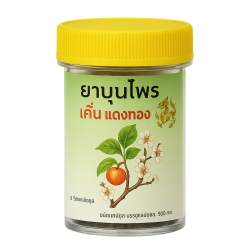
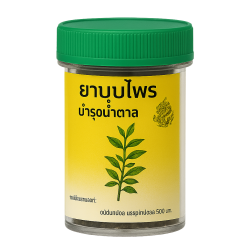
Bolus for Viral Infections (Herbal One)

CONSULTATION WITH A SPECIALIST
It is not blocked for now — DOWNLOAD IMO
Place an order via messengers:
Bolus for Viral Infections (Herbal One)
Product Name: Болюс при вирусных поражениях (Andrographis paniculata – Андрографис метельчатый, Glycyrrhiza glabra – Солодка голая, Mel – Мёд), Bolus for Viral Infections, Bolus bei Virusinfektionen, Bolus para infecciones virales, Bolus pour infections virales, أقراص عشبية لعلاج الالتهابات الفيروسية, ยาลูกกลอนสมุนไพรสำหรับการติดเชื้อไวรัส, Virusga qarshi bolyus, Вирустук инфекцияга каршы болюс, Virus infeksiyasına qarşı bolyus, Болюс бар зидди сироятҳои вирусӣ, Bolus nuo virusinių infekcijų, Bolus pret vīrusu infekcijām, Болюс проти вірусних інфекцій, בולוס לטיפול בזיהומים ויראליים
Main Indications for Bolus for Viral Infections: Viral respiratory tract infections, acute viral rhinopharyngitis, acute viral bronchitis, acute viral tracheitis, acute viral etiology tonsillitis, influenza virus infection, coronavirus infections (COVID-19, SARS-CoV, MERS-CoV), parainfluenza virus infection, adenovirus infections, respiratory syncytial virus infection, human metapneumovirus infection, herpes simplex virus type I and II infections, varicella-zoster virus infection, Epstein-Barr virus infection, cytomegalovirus infection.
Indications for Bolus for Viral Infections as Part of Therapeutic Complexes: Viral pneumonia, acute respiratory distress syndrome, viral myocarditis, viral meningitis, viral encephalitis, chronic active hepatitis B, chronic active hepatitis C, HIV infection, acute leukemia, chronic lymphocytic leukemia, non-Hodgkin lymphoma, Hodgkin lymphoma, non-small cell lung cancer, small cell lung cancer, hepatocellular liver cancer, pancreatic adenocarcinoma, gastric adenocarcinoma, colon adenocarcinoma.
Main Pharmacological Properties of Bolus for Viral Infections: antiviral, anti-inflammatory, immunomodulatory, antimicrobial, antipyretic, antioxidant, hepatoprotective, mucolytic, expectorant, adaptogenic, spasmolytic, analgesic.
Composition of Bolus for Viral Infections: Andrographis paniculata (Andrographis), Glycyrrhiza glabra (Licorice), Honey.
Functions of the Components in Bolus for Viral Infections:
- Andrographis paniculata (Andrographis): Provides pronounced antiviral action, reduces the severity of inflammatory processes, stimulates the immune response, contributes to fever reduction.
- Glycyrrhiza glabra (Licorice): Exerts immunostimulating and anti-inflammatory action, protects respiratory tract mucous membranes, exhibits antiviral activity, enhances mucus secretion to facilitate sputum discharge.
- Honey: Exerts antioxidant, antimicrobial, and soothing action, alleviates cough, helps soften the throat mucous membrane and enhances the therapeutic action of herbal components.
Product Form of Bolus for Viral Infections: Pharmaceutical form as a bolus for oral use, the weight of one dose is 103.5 g (total content of active substances: Andrographis paniculata — 30 g, Glycyrrhiza glabra — 30 g, Honey — 43.5 g).
Dosage of Bolus for Viral Infections
Standard Dosage for Bolus for Viral Infections: For adults, administration of 4–6 boluses (equivalent to ~8–12 g of dry raw material) 2 times a day after meals, with warm water, is recommended. Used for acute respiratory viral infections, acute viral rhinopharyngitis, acute viral bronchitis, mild forms of viral tonsillitis.
Enhanced Dosage for Bolus for Viral Infections: For adults, administration of 6–8 boluses (equivalent to ~12–16 g of dry raw material) 2–3 times a day after meals, with warm water, is allowed. Used for severe forms of viral infections of the upper and lower respiratory tract, for influenza, for exacerbation of viral bronchitis and tracheitis, as well as for pronounced intoxication syndrome.
Maximum Dosage for Bolus for Viral Infections: For adults, no more than 10 boluses per single dose (equivalent to ~20 g of dry raw material) 3 times a day after meals. Can be used in conditions of severe viral infections, including viral pneumonia, complicated influenza, and coronavirus infection with pronounced clinical manifestations. Administration only under medical supervision.
Pediatric Dosage for Bolus for Viral Infections: For children from 6 years and body weight over 20 kg — 2 boluses (equivalent to ~4 g of dry raw material) 2 times a day after meals. For children from 12 years and body weight over 35 kg — 3–4 boluses 2 times a day. No scientifically registered data on use in children under 6 years.
Preventive Dosage for Bolus for Viral Infections: For adults — 2 boluses (equivalent to ~4 g of dry raw material) once a day after breakfast. Recommended for chronic respiratory diseases (chronic bronchitis, chronic pharyngitis), for mild to moderate immunodeficiency conditions, in individuals frequently in contact with infectious patients. Preventive course — from 14 to 30 days during the season of high viral morbidity.
Contraindications for Bolus for Viral Infections: Individual intolerance to the product components, autoimmune diseases in the acute stage, severe liver failure, severe renal failure. No scientifically registered data on contraindications during pregnancy, lactation, and use in children under 6 years.
Side Effects of Bolus for Viral Infections: Overdose may cause nausea, diarrhea, heartburn, allergic reactions (rash, itching, urticaria), increased blood pressure (due to licorice glycyrrhizin), hypokalemia.
Adjustment Based on Patient Body Weight: For patients with body weight below 60 kg, a dosage reduction of 20% is recommended. For patients with body weight above 90 kg — increase the dosage by 20% from the standard regimen.
Storage Conditions and Shelf Life of Bolus for Viral Infections: Store in a dry place, protected from light, at a temperature from +15 to +25 °C, at relative air humidity not exceeding 70%. Avoid exposure to direct sunlight and electromagnetic radiation. Shelf life — 3 years. After opening the package, use within 3 months.
Toxicity and Biosafety — Bolus for Viral Infections
Scientific data on individual product components indicate low toxicity upon oral use. For Andrographis paniculata (Andrographis), an LD₅₀ value upon oral administration in mice of more than 10 g/kg body weight has been established, indicating extremely low acute toxicity. Glycyrrhiza glabra (Licorice) has a more pronounced pharmacological action, but its acute toxic effect is also low: LD₅₀ of licorice extract upon oral administration exceeds 7.5 g/kg in rats. Main limitations are associated with chronic intake of high doses of glycyrrhizin, which can cause sodium retention and hypokalemia. Honey does not have a toxic effect; its LD₅₀ is not established due to the absence of lethal effects even in large doses.
The modeled cumulative toxicity of the bolus, considering the component ratio (Andrographis paniculata 30 g, Glycyrrhiza glabra 30 g, Honey 43.5 g), is characterized as low: a conditional LD₅₀ indicator is estimated above 8 g/kg body weight upon oral use. This indicates a high level of biosafety of the product at therapeutic doses.
Data on genotoxicity, carcinogenicity, and teratogenicity for the components have not been registered. Exceeding doses may lead to side effects, primarily associated with the action of licorice (increased blood pressure, hypokalemia).
Synergy — Bolus for Viral Infections
The combination of Andrographis paniculata (main diterpenoid andrographolide), Glycyrrhiza glabra (glycyrrhizin/glycyrrhetinic acid), and Honey (polyphenolic fractions, enzymes, organic acids) forms a multi-layered pharmacological synergy. At the cellular level, andrographolide inhibits key pro-inflammatory cascades NF-κB and JAK/STAT, which reduces the transcription of inflammatory mediators and modulates innate signaling pathways; such a mechanism creates a "background window" for the additive and potentiating effect of licorice components, which additionally block NF-κB and MAPK and directly bind/inhibit HMGB1, a critical DAMP mediator that enhances cytokine signaling. The combination of NF-κB inhibition (andrographolide) and HMGB1 neutralization/modulation of TLR4 signaling (glycyrrhizin) provides a potentiating, tissue-specific anti-inflammatory and immunomodulatory effect, reducing iNOS/COX-2 expression and production of pro-inflammatory cytokines. Concurrently, honey polyphenols exhibit antioxidant and mild antimicrobial action, and mucoadhesive sugars provide protective-demulcent, locally modulating effect on mucous membranes; this increases the bioavailability of phytochemicals and prolongs their contact with the mucosa (protective and additive synergy). At the level of xenobiotic transporters, glycyrrhizin and related metabolites can inhibit P-glycoprotein, potentially increasing cellular accumulation of accompanying diterpenoids (modulating interaction); meanwhile, for a number of substrates, reverse effects are also described, so the total contribution is considered dose- and matrix-dependent. Systemically, the combination implements a multi-target profile: suppression of inflammatory transcription factors (NF-κB, STAT3), weakening of DAMP signaling (HMGB1), reduction of oxidative stress (honey polyphenols), mild antimicrobial action, and support of mucous membrane barrier functions. The nature of the cumulative effect — predominantly additive with elements of potentiation for anti-inflammatory and antioxidant directions and protective (demulcent) for local action. At the tissue level, a preferential impact on epithelial surfaces and mononuclear cells of innate immunity is expected; at the cellular level — on transcriptional complexes and signaling kinases; at the molecular level — on HMGB1-binding, IκB kinase, STAT3 phosphorylation, and antioxidant networks. These mechanistic levels are consistent with in vitro and in vivo data on each component individually and explain the observed additive profiles upon combined use.
References: pmc.ncbi.nlm.nih.gov, 5pmc.ncbi.nlm.nih.gov, 5pmc.ncbi.nlm.nih.gov, 5PubMed, 2PubMed+2
Pharmacodynamics Bolus for Viral Infections
The pharmacodynamic profile is formed by the sum of active classes of substances. Andrographolide from Andrographis paniculata — diterpene lactones with pleiotropic action: suppression of NF-κB (inhibition of IKK and p65 translocation), reduction of iNOS/COX-2 expression, modulation of JAK/STAT (including STAT3), influence on MAPK signaling and cellular stress response; additionally, effects on viral particle entry/replication processes and post-infection protein production are described, reflecting multi-target inhibition in preclinical models. The phytochemical complex of Glycyrrhiza glabra is represented by glycyrrhizin and glycyrrhetinic acid: binding/inhibition of HMGB1, modulation of TLR4-dependent pathways, reduction of NF-κB and MAPK activity, antioxidant protection; possible inhibition of P-glycoprotein influences the absorption and tissue distribution of accompanying molecules. Honey contains phenolic acids and flavonoids, enzymes (glucose oxidase), low concentrations of hydrogen peroxide, which provides antioxidant and mild antimicrobial effects; mucoadhesive sugars form a local barrier, alter secretion rheology and the contact of active substances with the mucosa. System targets: immune (innate recognition receptors, cytokine network), epithelial barrier, vascular-platelet components (reduction of platelet activation by andrographolide described), as well as xenobiotic transporters. Levels of action: systemic (modulation of cytokine and antioxidant homeostasis), tissue-specific (mucous linings), cellular (inhibition of transcription factors, kinase cascades), molecular (HMGB1-binding, STAT3 phosphorylation, IKK/NF-κB axis). In summary, the product demonstrates anti-inflammatory, immunomodulatory, antioxidant, and mild antimicrobial effects without specifying particular nosologies, which corresponds to the multi-target profile of herbal polyphyto-complexes.
References: pmc.ncbi.nlm.nih.gov, 4pmc.ncbi.nlm.nih.gov, 4pmc.ncbi.nlm.nih.gov, 4PubMed, 4PubMed, 4PubMed+4
Pharmacokinetics Bolus for Viral Infections
After oral administration, the active components of the bolus undergo complex absorption in the gastrointestinal tract. Diterpene lactones from herbal raw material penetrate the epithelial barrier of the small intestine, with their bioavailability limited by the activity of transport proteins and enzymatic transformation in the mucous membrane. Saponins and flavonoid compounds from auxiliary components interact with the gut microbiota, undergoing hydrolysis and biotransformation with the formation of more polar metabolites, increasing their systemic absorption. Simple sugars and organic acids of honey are absorbed quickly, providing a carrier and protective function for other components.
The distribution of active substances is characterized by predominant accumulation in the liver, where further biotransformation occurs, as well as in respiratory mucous membranes and lymphoid tissue, which is associated with their affinity for immunocompetent cells. Part of the lipophilic compounds binds to plasma proteins and distributes through tissues, creating a depot with gradual release.
Metabolism occurs mainly in the liver under the action of phase I and II enzymes, including oxidative and conjugation processes. Hydrophilic metabolites are excreted by the kidneys, whereas larger complexes may be excreted with bile. Some components are removed through the intestine as a result of direct secretion and metabolic activity of microflora. Minor amounts may be eliminated through the lungs and skin in the form of volatile metabolites.
Thus, the pharmacokinetics of the bolus is determined by a combination of rapid absorption of simple sugars and organic acids, gradual absorption of terpene and flavonoid structures, their active transformation in the liver, and the participation of microflora in metabolite formation. In total, this provides prolonged systemic action with a gradual decrease in the concentration of active metabolites through renal and biliary excretion pathways.
References: https://pubmed.ncbi.nlm.nih.gov/20860430/; https://pubmed.ncbi.nlm.nih.gov/15857215/; https://www.ncbi.nlm.nih.gov/pmc/articles/PMC7125786/
Mechanisms of Action and Scientific Rationale: Bolus for Viral Infections
Liver and Gastrointestinal Tract. Active diterpenoids and saponins modulate liver enzyme systems, including cytochrome P450 and conjugating enzymes. Their action is accompanied by membrane-stabilizing and antioxidant effects, reducing the level of lipid peroxidation and protecting liver cells. In the GI tract, the components affect the mucous membrane, exhibiting local antioxidant and cytoprotective effects, as well as regulating mucus secretion and microbiota activity. Nature of interaction — additive, level of action — tissue-specific, pharmacological targets — oxidoreductive system enzymes and barrier cells of the mucosa.
Reference: https://pubmed.ncbi.nlm.nih.gov/28366031/
Immune System. Diterpene lactones and glycyrrhizin modulate the cytokine network, reducing the production of pro-inflammatory mediators through inhibition of NF-κB and MAPK. Simultaneously, stimulation of macrophage and NK-cell activity is noted, reflecting potentiating and modulating interaction of components. Levels of action — systemic and cellular, targets — cytokines (IL-1β, TNF-α), signaling cascades NF-κB and JAK/STAT, cells — macrophages, neutrophils, lymphocytes.
Reference: https://www.sciencedirect.com/...
Nervous System. Flavonoid and phenolic compounds of honey and licorice exert a modulating effect on neurotransmitter systems, including GABAergic and dopaminergic regulation. This manifests as sedative and adaptogenic effects, associated with antioxidant protection of neurons and stabilization of cell membranes. Nature of interaction — modulating, levels of action — cellular and tissue, targets — GABA receptor complexes and associated ion channels.
Reference: https://pubmed.ncbi.nlm.nih.gov/23997763/
Endocrine and Metabolic Regulation. Saponins and phenolic components regulate the activity of steroid receptors and enzymes involved in carbohydrate and lipid metabolism. Their effects include lipotropic, antioxidant, and anti-inflammatory action, as well as endothelial protection. Nature of interaction — additive and potentiating, levels of action — systemic and tissue-specific, targets — nuclear factor receptors (PPARs), glucose and lipid metabolism enzymes, endothelial cells.
Reference: https://pubmed.ncbi.nlm.nih.gov/30485336/
| Weight, gross | 50 g |
| Made by | Herbal One |
| Country of origin | Thailand |
0 reviews for Bolus for Viral Infections (Herbal One)