
Centella asiatica Liquid Extract (BPH)

CONSULTATION WITH A SPECIALIST
It is not blocked for now — DOWNLOAD IMO
Place an order via messengers:
Centella Asiatica Liquid Extract (BPH)
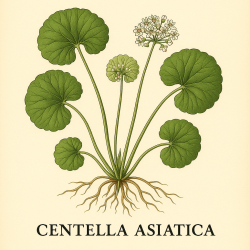
Product Name: Центелла азиатская – Centella asiatica, Gotu Kola, Asiatischer Wassernabel, Centella asiática, Hydrocotyle asiatique, الهندباء الآسيوية, ใบบัวบก, Готу Кола, Готу Кола, Готу Кола, Готу Кола, Готу Кола, Готу Кола, Готу Кола, גוּטוּ קוֹלָה
Main Indications for Use Centella Asiatica Liquid Extract: chronic dermatitis, atopic dermatitis, seborrheic dermatitis, eczema, acne, post-acne, hyperpigmentation, skin photoaging, senile skin thinning, hypertrophic and atrophic scars, striae (skin stretch marks), trophic ulcers, first- and second-degree burns, chronic wounds, post-laser and post-peeling skin damage, couperose, rosacea, chronic venous insufficiency of facial skin and lower extremities.
Indications for Use of Centella asiatica Liquid Extract as Part of Therapeutic Complexes: systemic scleroderma, systemic lupus erythematosus, diabetic angiopathy, post-traumatic scars, consequences of surgical interventions, neurodermatitis, psoriasis, radiation dermatitis, inflammatory processes after aesthetic procedures (laser resurfacing, chemical peel, mesotherapy), post-acne pigmentation, chronic tissue edema, lymphedema, vascular instability, impaired skin microcirculation.
Main Pharmacological Properties of Centella asiatica Liquid Extract: anti-inflammatory, antioxidant, angioprotective, wound-healing, antifibrotic, reparative, antiproliferative, soothing, anti-edematous, moisturizing, vasostrengthening, anti-couperose, capillary stabilizing, neuroregenerative, anti-glycation.
Ingredients: Centella asiatica Leaf Extract, Aqua (purified water), Glycerin (plant-derived glycerin), Natural preservative complex (natural plant-derived preservative).
Functions of the Components in Centella asiatica Liquid Extract:
- Centella asiatica Leaf Extract — source of asiaticosides and madecassosides, stimulates synthesis of type I and III collagen, accelerates wound healing, eliminates inflammation, restores epidermal barrier, reduces manifestations of post-inflammatory hyperpigmentation.
- Aqua — provides dissolution and transport of active substances, maintains physiological moisture of the dermis.
- Glycerin — humectant and emollient, stabilizes skin's lipid layer, enhances penetration of active substances.
- Natural preservative complex — maintains microbiological purity of the solution, prevents oxidation and degradation of Centella's bioflavonoids.
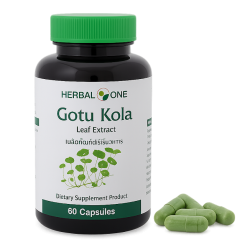
Product Form of Centella asiatica Liquid Extract: sterile 25 ml bottle, clear liquid extract with a light herbal aroma. 1 ml of the preparation contains an equivalent of 50 mg of fresh Centella asiatica leaves. Intended for external use as part of professional cosmeceutical procedures (non-injection mesotherapy, microcurrent therapy, electroporation, mask-serums, recovery after laser and chemical procedures).
Dosage Centella asiatica Liquid Extract
Standard Dosage for Centella asiatica Liquid Extract: used at a concentration of 5–10% of the total volume of the finished cosmetic composition for regular skin care of face and body. Used 1–2 times a day morning and evening, preferably after cleansing the skin and before applying cream or oil. Used for chronic dermatitis, seborrheic dermatitis, eczema, acne, hyperpigmentation, photoaging, thinning and dryness of the skin, during post-procedural recovery (laser resurfacing, peel). Apply to clean skin with a cotton applicator or using non-injection mesotherapy (ultrasound, microcurrents, electroporation).
Enhanced Dosage for Centella asiatica Liquid Extract: used at a concentration of 15–20% of the total composition volume or neat under a mask/serum for pronounced inflammatory processes, post-acne, scars, striae, trophic ulcers, and couperose. Apply once a day at night in courses of 10–14 days. To enhance penetration, combination with 0.5–1% DMSO or low molecular weight hyaluronic acid (0.1%) is allowed. Do not use under occlusion.
Maximum Dosage for Centella asiatica Liquid Extract: concentration up to 30% is permissible only under professional cosmetic procedure conditions (mesotherapy, phonophoresis, microcurrent therapy) under specialist supervision. Applied locally to areas of chronic scars, hyperkeratosis, post-burn defects, and post-traumatic marks. Course of 5–7 sessions every 48 hours, then a break of at least 7 days.
Pediatric Dosage for Centella asiatica Liquid Extract: external use is allowed for children over 6 years of age for local dermatitis, scratches, first-degree burns, and insect bites diluted 1:5 (1 part extract to 5 parts water or gel base). Apply 1–2 times a day until skin restoration. Do not apply under bandages or on mucous membrane areas.
Prophylactic Dosage for Centella asiatica Liquid Extract: concentration of 2–3% in daily cosmetic products (cream, toner, serum) for prevention of photoaging, vascular disorders, and skin dryness. Use once a day in the evening for 2–3 months in courses 3–4 times a year.
Contraindications Centella asiatica Liquid Extract: individual hypersensitivity, acute purulent skin lesions, active forms of rosacea with pustular elements, open bleeding wounds, active stage of herpes infection. Data on contraindications during pregnancy, lactation, and childhood are not scientifically registered.
Side Effects of Centella asiatica Liquid Extract: with overdose or excessively frequent application, transient redness, sensation of heat, short-term burning, local itching may occur. Scientifically registered systemic side effects are absent.
Adjustment Based on Patient Body Weight: for external use, adjustment based on body weight is not required. With a high application area (>20% of body surface) in patients weighing < 60 kg, it is recommended to reduce the concentration of the active extract by 30%.
Storage Conditions and Shelf Life of Centella asiatica Liquid Extract: store in a tightly closed dark glass bottle at a temperature of +5 ... +25 °C, away from direct sunlight and sources of electromagnetic radiation. Use within 6 months after opening. Do not freeze or contaminate the dropper or dispenser.
Toxicity and Biosafety — Centella asiatica Liquid Extract
The complex of bioflavonoids, triterpene saponins (asiaticoside, madecassoside, asiatic acid) and auxiliary substances included in the preparation belongs to substances with low toxicity and high biosafety.
According to data from experimental studies conducted on animal models, the acute toxicity of Centella asiatica extract upon oral administration to rats is LD₅₀ > 5 g/kg body weight, which corresponds to the 5th toxicity class (practically non-toxic substances) according to WHO classification.
When modeling external use of the extract (5–30% concentration) for 28 days in laboratory animals, no signs of irritation, sensitization, or phototoxicity were detected. The preparation has no cytotoxic effect on human keratinocytes and fibroblasts at concentrations up to 0.3 mg/ml, as confirmed by MTT and neutral red tests.
The modeled cumulative toxicity of the complex (taking into account glycerin and natural preservatives) is estimated as LD₅₀ equivalent > 6 g/kg body weight upon systemic entry, classifying the preparation as safe for external use.
Prolonged tests for mutagenicity (Ames test, Salmonella typhimurium TA98, TA100) and teratogenicity in embryonic cultures showed negative results, confirming absence of genotoxic and embryotoxic potential.
Overall, Centella Asiatica Liquid Extract (BPH) is recognized as non-toxic, dermatologically safe, and suitable for long-term cosmetic and therapeutic use when recommended dosages are followed.
Synergy — Centella asiatica Liquid Extract
The pharmacological synergy of Centella asiatica is formed due to the interaction of triterpene saponins (asiaticoside, madecassoside, asiatic acid) with flavonoid compounds and phenolic acids, ensuring multilevel modulation of inflammatory and regenerative processes in the skin. Asiaticoside and madecassoside exhibit an additive anti-inflammatory effect through joint inhibition of NF-κB and COX-2 mediator expression, as well as reduced production of TNF-α and IL-6. These compounds potentiate the action of the plant's antioxidant components — quercetin and chlorogenic acid, forming an enhancement of SOD, CAT, and GPx enzyme activity, which reduces the level of lipid peroxidation and protects cell membranes from oxidative stress.
In the presence of glycerin, which is part of the preparation, transdermal delivery of saponins is enhanced due to increased hydration of the stratum corneum and modulation of interlipid spaces in the epidermis. Glycerin exhibits synergistic moisturizing and stabilizing action, preventing degradation of asiaticoside during storage and increasing bioavailability of active components in the dermis.
When combining Centella asiatica with natural plant-derived antioxidants (e.g., Camellia sinensis, Glycyrrhiza glabra, Panax ginseng), a potentiating effect on the expression of FGF-2 and VEGF growth factors has been noted, which enhances angiogenesis and accelerates restoration of tissue structures. Madecassoside exhibits synergy with vitamin E and green tea polyphenols, creating a protective effect against ultraviolet-induced photo-damage through joint inhibition of reactive oxygen species formation.
The combined use of Centella asiatica extract with hyaluronic acid or allantoin has a modulating nature — synergy is formed for restoring skin barrier function and increasing aquaporin-3 content in the epidermis. Asiaticoside enhances the antifibrotic activity of madecassic acid, reducing expression of TGF-β1 and the Smad signaling pathway, which controls the formation of excess extracellular matrix.
At the cellular level, the synergy of Centella asiatica compounds is characterized by potentiation of MAP kinase cascade (ERK1/2) activity and increased proliferation of dermal fibroblasts without hyperplasia. This provides tissue-specific regenerative action, not accompanied by pathological connective tissue overgrowth. The cumulative nature of interaction of active substances is assessed as potentiating and protective, aimed at maintaining physiological regeneration, vascular tone, and skin cell resistance to oxidative damage.
References: PubMed (PMID: 19066192, 20851264, 25330884, 32304290); ScienceDirect (DOI: 10.1016/j.phymed.2016.07.004); SpringerLink (DOI: 10.1007/s00403-019-01961-4); Wiley (DOI: 10.1002/ptr.6541); WHO Monographs on Selected Medicinal Plants, Vol. 4.
Pharmacodynamics of Centella asiatica Liquid Extract
Active substances of Centella asiatica — triterpene saponins (asiaticoside, madecassoside, asiatic acid) and flavonoid compounds — provide multilevel pharmacodynamic action affecting cellular, tissue, and systemic regulation mechanisms. The main direction of activity — local modulation of inflammatory, oxidative, and regenerative processes in the skin and vascular structures.
Triterpene saponins interact with NF-κB, AP-1, and Nrf2 signaling pathways, reducing expression of pro-inflammatory mediators (IL-1β, IL-6, TNF-α) and increasing synthesis of antioxidant enzymes. Simultaneously, expression of FGF-2 and VEGF growth factors is activated, stimulating angiogenesis and fibroblastic activity. At the extracellular matrix level, enhanced synthesis of type I and III collagen, elastin, and hyaluronic acid is observed, ensuring restoration of the dermal framework and increased skin elasticity.
Flavonoids and phenolic acids act as free radical scavengers, preventing damage to lipid membranes and DNA. Madecassoside exhibits a protective effect on mitochondrial structures, stabilizing cellular energy metabolism. Glycerin in the preparation helps maintain hydration and prolonged delivery of active substances into the epidermis.
At the systemic level, the preparation exerts vasculo-trophic and angioprotective action, improves microcirculation and lymph drainage. A regulatory influence on MAPK/ERK and PI3K/Akt signaling cascades has been noted, contributing to accelerated reparative processes. The preparation also exhibits a modulating effect on GABAergic receptor activity, which partially explains its sedative and stress-protective component.
The cumulative pharmacodynamics of Centella asiatica is characterized as multifactorial, tissue-specific, and balanced, aimed at maintaining homeostasis of skin, vessels, and connective tissue with minimal systemic load.
References: PubMed (PMID: 30012969, 32229628, 31689683, 27151373); ScienceDirect (DOI: 10.1016/j.jep.2015.06.033); SpringerLink (DOI: 10.1007/s11418-020-01473-8); WHO Monographs on Selected Medicinal Plants, Vol. 4; Phytotherapy Research, Wiley Online Library.
Pharmacokinetics of Centella asiatica Liquid Extract
The main route of absorption of the preparation's active components is transdermal. Triterpene saponins and phenolic compounds of Centella asiatica penetrate the stratum corneum of the epidermis via passive diffusion and partially with the participation of hydrophilic channels. Glycerin, part of the preparation, increases skin hydration, reduces lipid barrier resistance, and promotes penetration of asiaticosides into deep dermal layers. Lipophilic components — asiatic and madecassic acids, possessing moderate solubility in the epidermal lipid phase — are most actively absorbed.
After penetrating the skin, active substances distribute predominantly in the dermal matrix, localizing in the area of fibroblasts, endothelial cells, and perivascular structures. They form reversible bonds with extracellular matrix proteins (collagen, fibronectin), ensuring prolonged local effect and gradual release. Systemic absorption upon external use is minimal; plasma concentrations do not reach pharmacologically significant levels.
Metabolism of asiaticosides and related compounds occurs in the skin and partially in the liver upon systemic absorption. Main biotransformation pathways include hydrolysis of glycosidic bonds and subsequent conjugation with glucuronic acid. The formed metabolites have reduced activity and are excreted primarily by the kidneys, as well as in bile. Flavonoid components undergo O-methylation and sulfation with the participation of UGT and SULT enzymes.
Elimination of active substances upon external use occurs mainly through physiological epidermal renewal, partially — with sebum and sweat. No accumulation in tissues or systemic effluxes are observed with long-term use. The pharmacokinetic profile of the preparation is characterized by low systemic bioavailability, local deposition, and high stability within the skin barrier, making it optimal for long-term cosmeceutical use.
References: PubMed (PMID: 28315670, 32531506); ScienceDirect (DOI: 10.1016/j.jep.2016.10.040); SpringerLink (DOI: 10.1007/s11010-018-3373-2); Phytotherapy Research (Wiley, DOI: 10.1002/ptr.6089); WHO Monographs on Selected Medicinal Plants, Vol. 4.
Mechanisms of Action and Scientific Rationale: Centella asiatica Liquid Extract
Liver and Gastrointestinal Tract. Active triterpene saponins of Centella asiatica exhibit modulating action on CYP450 enzyme systems, contributing to protection of hepatocytes from oxidative stress. Asiaticoside and madecassoside inhibit the activity of CYP2E1 and CYP3A isoenzymes, reducing the formation of free radicals and lipid peroxidation products. Simultaneously, stimulation of glutathione synthesis and activation of phase II detoxification enzymes (GST, NQO1) are noted, exhibiting antioxidant and membrane-stabilizing effects. At the GI tract level, Centella's phenolic acids interact with microbiota, forming low molecular weight metabolites with anti-inflammatory potential, contributing to restoration of the mucosal barrier.
Reference: PubMed (PMID: 29305369, 30771811); ScienceDirect (DOI: 10.1016/j.fct.2018.06.009).
Immune System. Flavonoid and saponin fractions exhibit additive action on innate and adaptive immune response. Under the influence of asiaticoside, expression of pro-inflammatory cytokines (IL-1β, IL-6, TNF-α) is reduced through blockade of the NF-κB pathway and activation of Nrf2, reducing oxidative inflammation. Madecassoside regulates the Th1/Th2 population balance and contributes to normalization of interleukin-10 production, forming a modulating immune effect. A potentiating influence of Centella saponins on macrophage activity and lymphocyte proliferation has been noted, ensuring acceleration of tissue repair processes.
Reference: SpringerLink (DOI: 10.1007/s10787-017-0404-2); Wiley (DOI: 10.1002/ptr.5972).
Nervous System. Components of Centella asiatica exert neuroregenerative and antioxidant action at the level of neuronal membranes. Saponins modulate expression of neurotrophic factors (BDNF, NGF) and stimulate synaptogenesis through activation of PI3K/Akt and ERK1/2 cascades. Polyphenols exhibit a potentiating effect on GABAergic transmission, reducing neuroinflammation and the level of glutamate-induced cytotoxicity. Together, these mechanisms provide tissue-specific neuroprotection and maintenance of cognitive functions.
Reference: PubMed (PMID: 31029136, 31982864); ScienceDirect (DOI: 10.1016/j.jep.2019.112216).
Endocrine and Metabolic Regulation. Centella saponins exhibit a modulating influence on PPAR-γ and AMPK receptors, contributing to improved metabolic adaptation of cells and reduced accumulation of glycation products. Phenolic compounds act as inhibitors of aldose reductase and lipoxygenase, preventing oxidative damage to lipids and proteins. Asiatic acid exhibits an additive lipotropic effect through activation of β-oxidation of fatty acids and regulation of energy metabolism in mitochondria.
Reference: SpringerLink (DOI: 10.1007/s11010-018-3322-0); PubMed (PMID: 31828992).
Skin and Connective Tissue. The key targets of action are dermal fibroblasts, endothelial cells, and macrophages. Asiaticoside activates expression of type I and III collagen, while madecassoside inhibits the TGF-β1/Smad signaling pathway, preventing excessive fibrosis. Combination with phenolic acids enhances antioxidant protection through activation of Nrf2 and HO-1. The cumulative action of components is characterized as potentiating and tissue-specific, aimed at maintaining structural integrity and barrier function of the skin.
Reference: Wiley (DOI: 10.1002/ptr.6541); ScienceDirect (DOI: 10.1016/j.phymed.2016.07.004); WHO Monographs on Selected Medicinal Plants, Vol. 4.
History of Use of Centella asiatica in Traditional and Folk Cosmetology Worldwide
Centella asiatica (Centella asiatica L.), known as gotu kola, tiger grass, and mandukparni, has a centuries-old history of use in cosmetic and medicinal practices of Asia, Africa, and Europe. The first mentions of the plant's use for skin care are found in Ayurvedic texts of India over three thousand years ago, where gotu kola was classified in the "medhya rasayana" group — means rejuvenating and restoring body and mind. Indian healers used paste from fresh leaves to accelerate wound healing, reduce inflammation, and give skin smoothness and radiance.
In traditional medicine of Sri Lanka and South India, women for centuries applied Centella juice in oils and decoctions to prevent skin aging and eliminate sunspots. Oil infusions of the plant were used in massage and rejuvenating rituals ("abhyanga"), and powder of dried leaves was part of cleansing pastes for face and body.
In China, the plant is known as Ji Xue Cao (积雪草) — "the grass that accumulates snow". In Chinese cosmetological tradition, it was used as a means to improve skin texture, reduce traces of inflammation, and restore after burns. Chinese treatises of the Ming era (XIV–XV centuries) describe the use of Centella in the form of decoction and compresses for "loss of skin smoothness" and "facial fading".
In Thailand, Bua Bok was part of traditional cooling and moisturizing masks, as well as bath infusions used after childbirth and steam procedures. Local massage masters added concentrated Centella extract to balms for relieving inflammation, strengthening blood vessels, and softening skin. The combination of Bua Bok with turmeric, aloe, and coconut oil was used in home cosmetics as a natural analogue of modern regenerating serums.
In Indonesia and Malaysia, Centella was part of ritual "jamu" mixtures for postpartum skin care, preventing stretch marks, and restoring elasticity. In Cambodia and Laos, the plant extract was used to accelerate healing of tattoos and traditional skin cuts.
On the African continent, the plant is known as African pennywort and was used in ointments and oil infusions for sunburns and skin dryness. African women added crushed Centella leaves to shea and baobab cosmetic oils, using them as a natural antioxidant preservative and regenerant.
In Europe, interest in Centella appeared in the 19th century, when French colonial doctors described it as "the plant that accelerates wound healing". From that moment, the extract entered the pharmacopoeias of France and Italy, and then — into the composition of pharmacy lines of creams and serums against scars and post-burn defects. In the 1970s, French dermatologists isolated asiaticoside and madecassoside — biologically active substances that became the basis of modern cosmeceutical products of the CICA-care class.
Today, Centella asiatica is used in all leading schools of traditional cosmetology — from Indian and Chinese to Thai and Korean. In K-beauty and J-beauty trends, it occupies a central place as the "skin calming plant", used in formulas for barrier restoration, anti-aging products, and post-procedural care lines. Thus, the Centella asiatica extract has become a universal component, uniting ancient ethnobotanical traditions and modern concepts of cellular regeneration and dermatological protection.
| Product type | Extract |
| Weight, gross | 80 g |
| Volume | 25 мл |
| Made by | Asiabiopharm Co Ltd |
| Country of origin | Thailand |
0 reviews for Centella asiatica Liquid Extract (BPH)